08:07
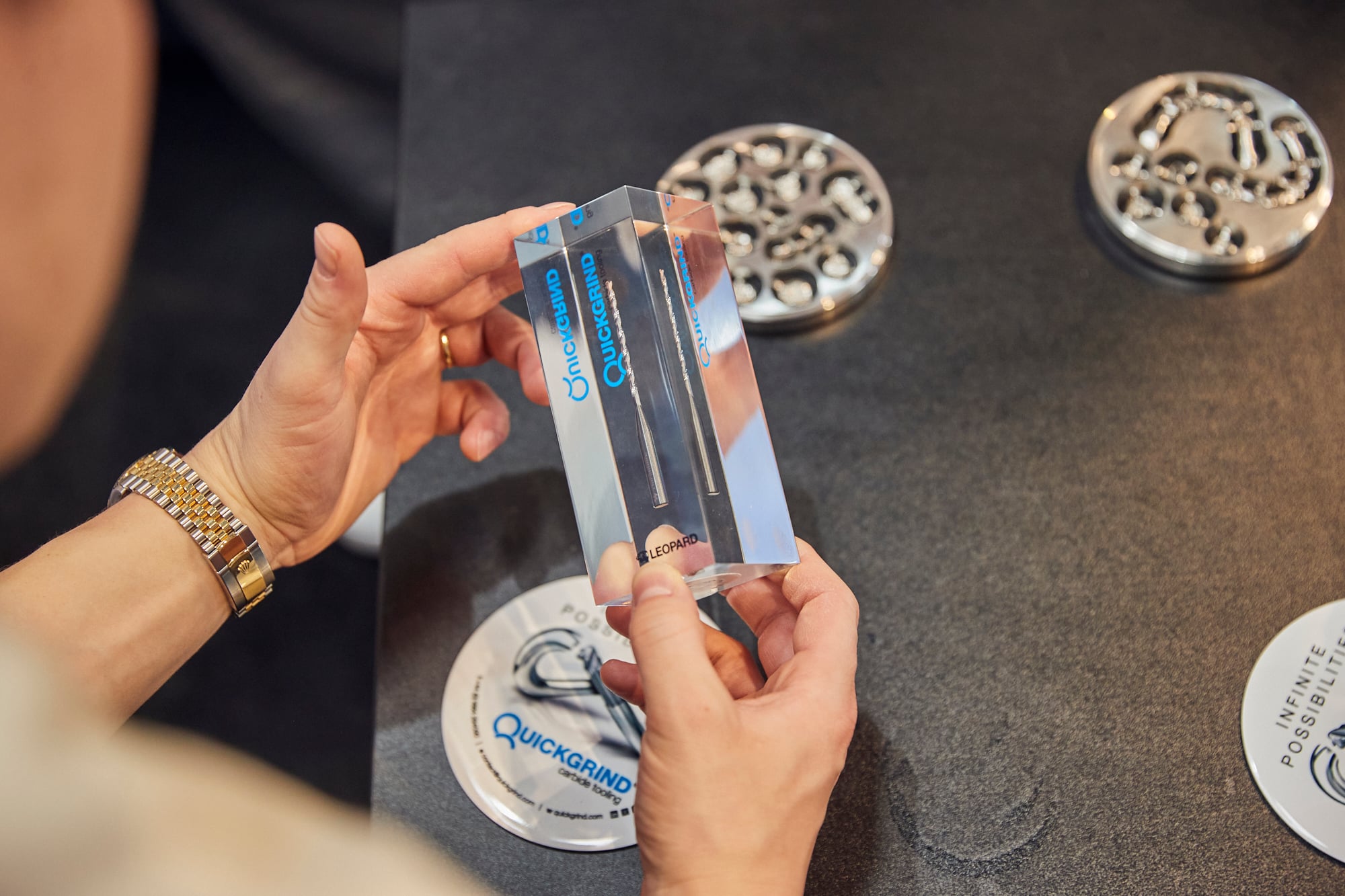
As workflows become more connected and data-driven, collaboration between tooling specialists and dental laboratories is yielding measurable gains in quality and efficiency.
A changing landscape for dental manufacturing
The demands placed on modern dental laboratories continue to evolve at pace. Greater case complexity, a wider range of materials, and the growing adoption of digital workflows are reshaping expectations for precision, consistency and efficiency. In this environment, tooling is no longer a simple consumable. It has become a critical factor in determining performance, cost control and, ultimately, patient outcomes.
At the heart of this shift is a growing emphasis on collaboration. Rather than selecting standard products in isolation, leading laboratories are working closely with tooling partners to support process optimisation across the entire machining strategy. This is where Quickgrind has established a clear position, combining advanced solid carbide tooling with a consultative, application-led approach.
Engineering performance across every material
Quickgrind’s tooling is designed to perform across the full spectrum of dental materials, including cobalt-chromium, titanium, zirconium oxide, PMMA, PEEK and wax. Each material presents its own machining challenges. Cobalt-chromium demands strength and wear resistance, zirconia requires careful control to avoid microfracture, while polymers introduce thermal and chip-control considerations.
Innovative grind geometries and specialist coatings enable high-speed, high-performance milling across 2D and 3D operations. Compatibility with open and closed CAD/CAM systems ensures these tools integrate seamlessly into modern workflows, supporting improved cycle times without compromising surface finish or dimensional accuracy.
While standard tooling continues to play an important role, the ability to move beyond catalogue products is becoming increasingly valuable. Quickgrind’s Infinite Possibilities approach allows tools to be engineered to specific requirements, including geometry, diameter, reach, coating and coolant delivery.
This flexibility enables laboratories to align tooling with their specific machining strategies, thereby improving tool life, process stability and overall efficiency. It also supports the growing need for differentiation, particularly in high-value or complex applications such as implant manufacturing.
Collaboration in practice
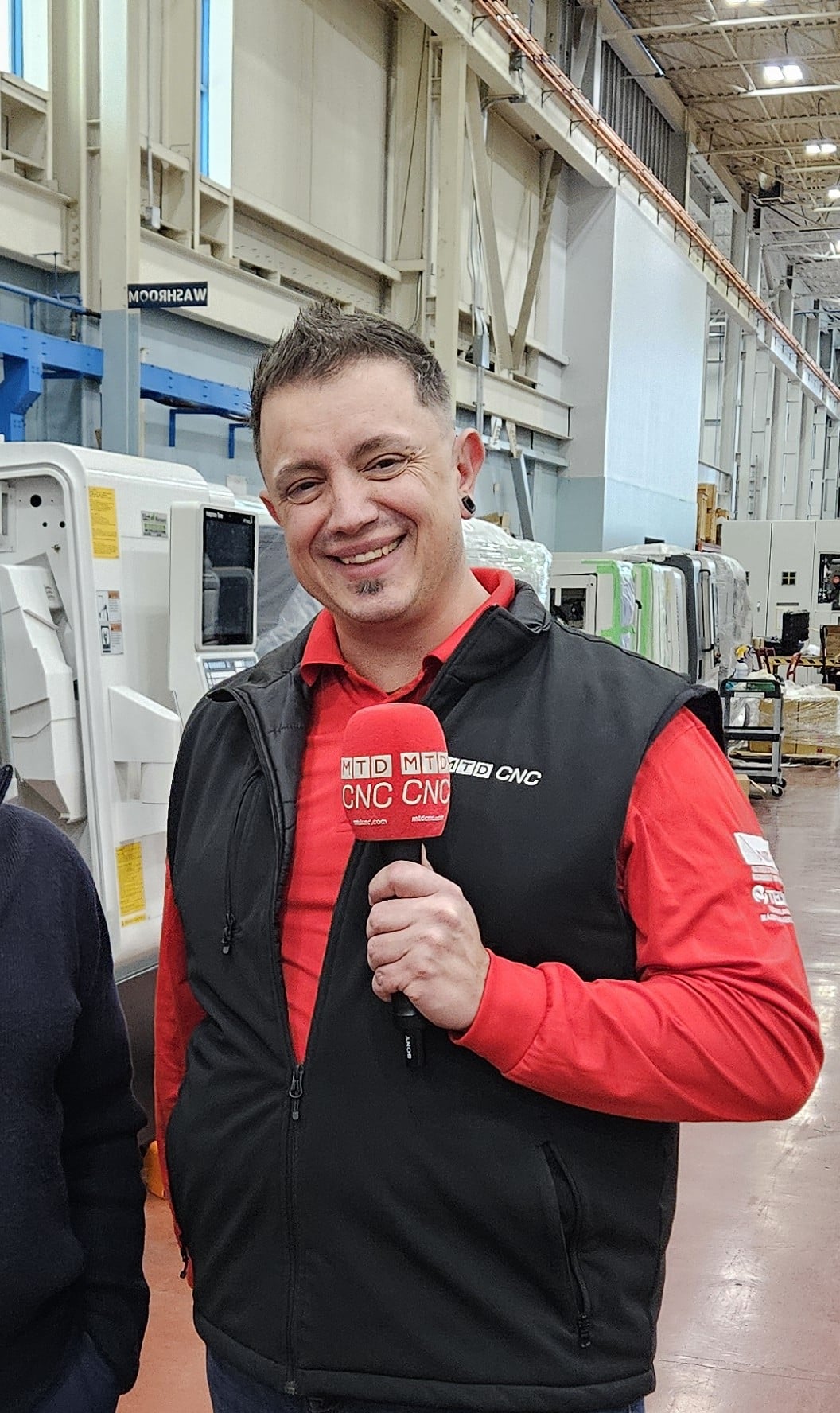
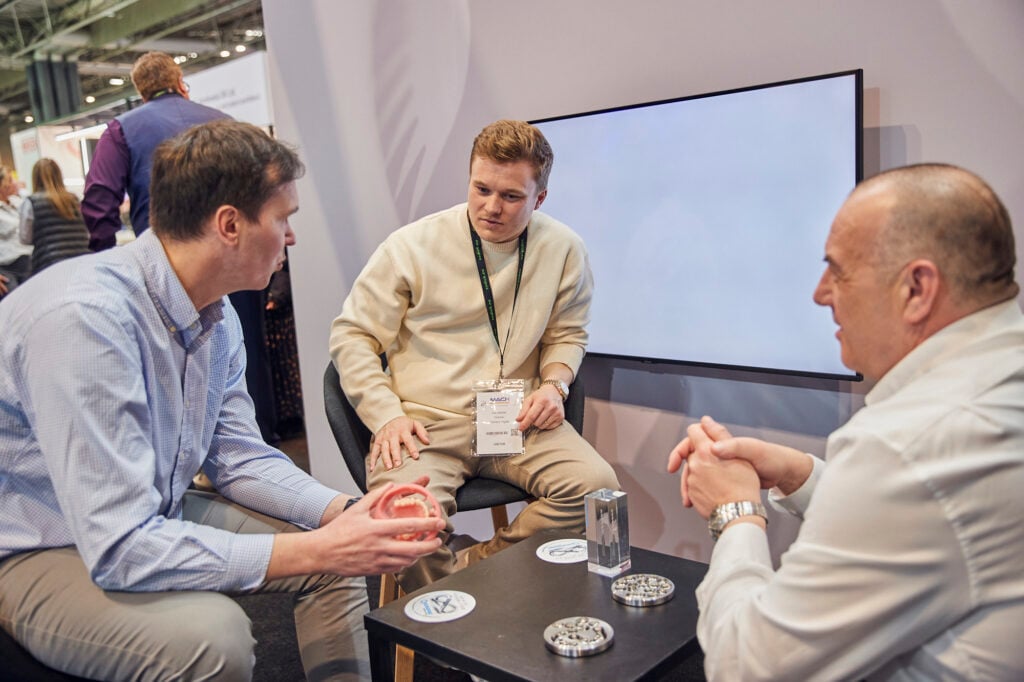
Speaking at MACH 2026, Dan Barber, Owner of Element Digital, highlighted the benefits of a more collaborative approach to tooling.
“Having worked with Quickgrind for 12 to 18 months, the results have been consistently strong. The quality of the tools and the level of service stand out, but what really differentiates them is their approach. They are not simply supplying tooling, they are working with us to refine our machining strategies and get the best possible performance from both the tools and our processes.”
Barber also pointed to the importance of flexibility within this partnership.
“We use a combination of standard off-the-shelf tools and bespoke solutions. Having that ability to adapt, along with reliable technical support when needed, makes a significant difference to our day-to-day operations.”
Supporting innovation in advanced workflows
As dental laboratories continue to adopt automation and more advanced CAM strategies, tooling must play an enabling role. This includes supporting improved surface finishes, maintaining consistency across high-volume production, and adapting to increasingly complex geometries.
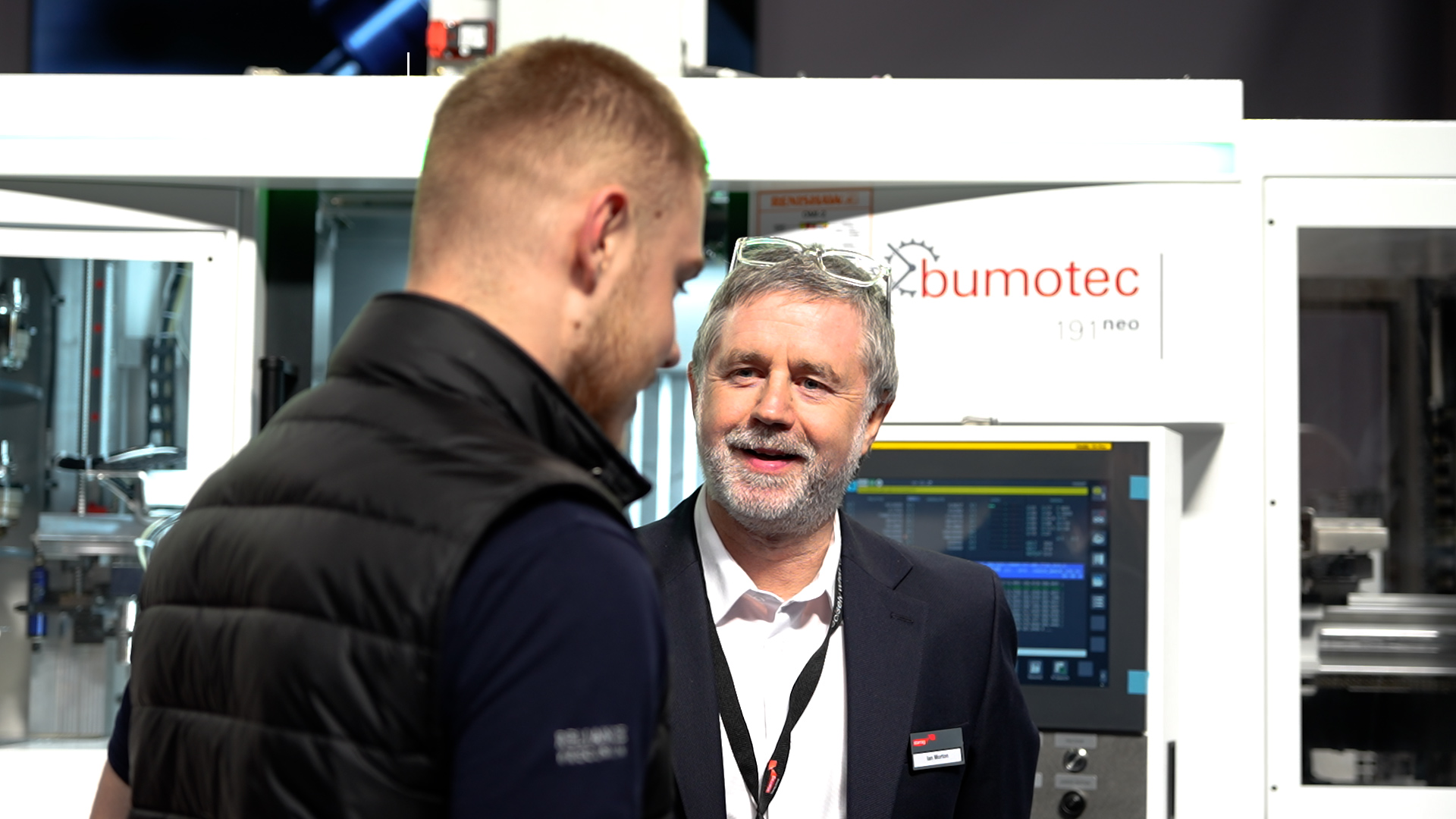
Tomasz Iwanski of Evo Dental has been working closely with Quickgrind on CNC machining strategies and sees tooling as a key contributor to both production and innovation.
“The industry is shifting towards automation, AI and new strategies. Quickgrind’s tools have played a crucial role not just in production, but also in innovation. Surface finish is especially important in dental and medical machining, and the right tooling makes a significant difference.”
He also emphasised the importance of precision and reliability in patient-specific applications.
“Accuracy and durability are critical for the individual solutions we produce, particularly in implant dentistry. Every element of the process must be optimised to achieve consistent, high-quality results.”
This focus on optimisation extends across both metallic and non-metallic materials, requiring a detailed understanding of how tooling performs in different conditions.
Driving continuous improvement
That process of continuous improvement is reflected in ongoing development work between Quickgrind and leading laboratories. As Mark Aspinall of Quickgrind explains: “We are working with Tomasz and his team to develop improved tooling to introduce bespoke drilling solutions, improve tool life and reduce consumable costs in the manufacture of full mouth implants machining materials including zirconia, PMMA and titanium.”
Such collaboration highlights how tooling development is increasingly driven by real-world application needs. By working closely with laboratories, tooling manufacturers can respond more effectively to emerging challenges while helping to unlock measurable gains in performance and efficiency.
A strategic advantage
As the dental sector continues to advance, the role of tooling will only become more significant. Precision, reliability and efficiency remain essential, but the added dimension of collaboration is now shaping how those outcomes are achieved. For laboratories looking to stay competitive, the focus is shifting towards partnerships that combine technical expertise with a deep understanding of application requirements. The result is not just better tools, but better processes. In a market defined by increasing complexity and rising expectations, that combination is proving to be a decisive advantage.