
Trumpf Develops New Laser Application for Electric Car Batteries!
By Ashutosh Arora
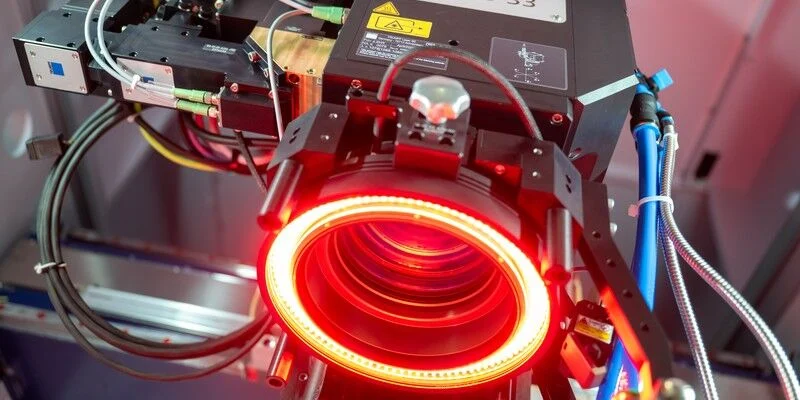
Trumpf has introduced new laser-based applications designed to enhance the safety, durability, and sustainability of electric car batteries and aluminum vehicle components. These innovations, powered by Trumpf’s TruMicro Series 7000 pulsed laser and PFO 33 programmable focusing optics, are setting new standards in corrosion protection and adhesive surface preparation within the electric vehicle (EV) industry.
According to Volkan Yavuz, head of laser surface processing at Trumpf, the technology provides a clean and efficient alternative to traditional chemical methods used in automotive manufacturing. “Selective surface processing with lasers is a clean and fast alternative to chemical processes in the automotive industry, for example to achieve high adhesive strength for adhesives or coatings,” he explained.
In EV battery production, laser technology is used to clean and prepare battery cells and trays before applying coatings or adhesives. This process removes contaminants such as oils, oxides, and rust without damaging the substrate. The result is improved adhesion and longer-lasting protection against short circuits and environmental exposure, contributing to safer and more reliable batteries. The short-pulse laser’s precision and non-contact operation also make it ideal for integration into automated production lines, supporting high-volume manufacturing.
Beyond batteries, Trumpf’s laser system offers a breakthrough solution for preventing corrosion in large aluminum castings used in car body structures — a process known as gigacasting. During conventional machining, these parts can lose their protective layer, making them vulnerable to corrosion, especially in harsh environments. Trumpf’s laser treatment selectively remelts and rapidly quenches the aluminum surface, homogenizing it to create a corrosion-resistant layer. In salt spray tests, the treated components showed no signs of crevice corrosion, even after hours of exposure.
“This technology is not a dream of the future,” Yavuz added. “It is used not only for gigacasting components, but also for housings for electric motors for electric cars.”
To handle large surfaces efficiently, the PFO33 scanner optics direct laser pulses across components at speeds of several meters per second, ensuring short cycle times suited for series production. Local extraction systems remove any smoke, particles, or aerosols generated during processing, maintaining clean conditions for precise results.
In addition to performance benefits, laser-based surface processing provides significant environmental advantages. It eliminates the need for harsh chemicals, reducing both ecological impact and disposal costs. The contactless process minimizes tool wear and material waste, while the targeted energy use of laser systems helps lower the overall carbon footprint of manufacturing.
With these innovations, Trumpf continues to drive forward sustainable, high-precision manufacturing technologies that support the evolving demands of the electric vehicle industry.