🎧Milling to minimise carbon emissions without impacting output
0:00 / 0:00
According to Climate Watch, global industrial processes contributed to 3.16Gt of CO2 emissions in 2022. There is, therefore, an urgent need for manufacturers to discover ways to improve sustainability without impacting productivity. Here, Sandvik Coromant explains how recent developments in milling tools are making productive sustainability more achievable than ever.
To minimise energy consumption without sacrificing productivity, every aspect of a machining process must be carefully planned, right down to the specifics of each tool used. With the goal of achieving environmental and business improvements, productive sustainability should be at the core of every milling project.
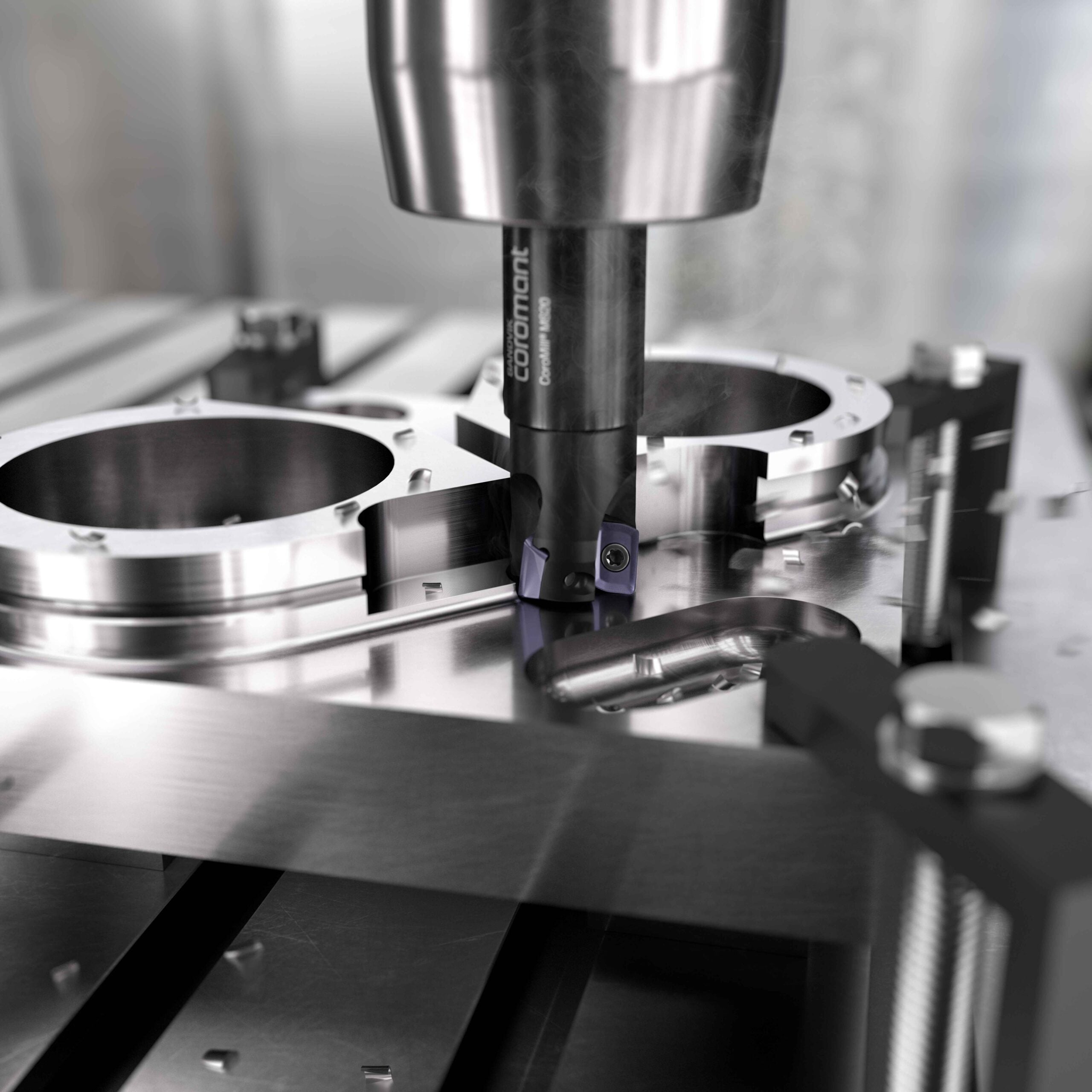
An example is Sandvik Coromant’s CoroMill® MS20 tool. The tool’s features help reduce machining time, tool inventory, and carbide use, with reliability and versatility at its core. It is mainly designed for ISO S and M materials, but recent developments now allow it to be used for ISO P as well.
When aiming for productive sustainability, machine usage is a vital consideration. Inefficiencies and errors can slow down processes, having the potential to impact the output, energy consumption and carbon emissions of machinery. CoroMill® MS20 is designed to offer secure and trouble-free machining. More reliable inserts allow cutting speed and productivity levels to be increased, ensuring machines are used efficiently.
Both in terms of cost and sustainability, minimising tool inventories can make a significant difference. As a dual-purpose cutter, a key feature of CoroMill® MS20 is its versatility. In addition to handling all types of shoulder milling, it can also be used for face milling, ramping, helical interpolation, and full slot milling. This enables manufacturers to reduce the number of tools they need to purchase, promoting more resource-efficient machining while streamlining the production process.
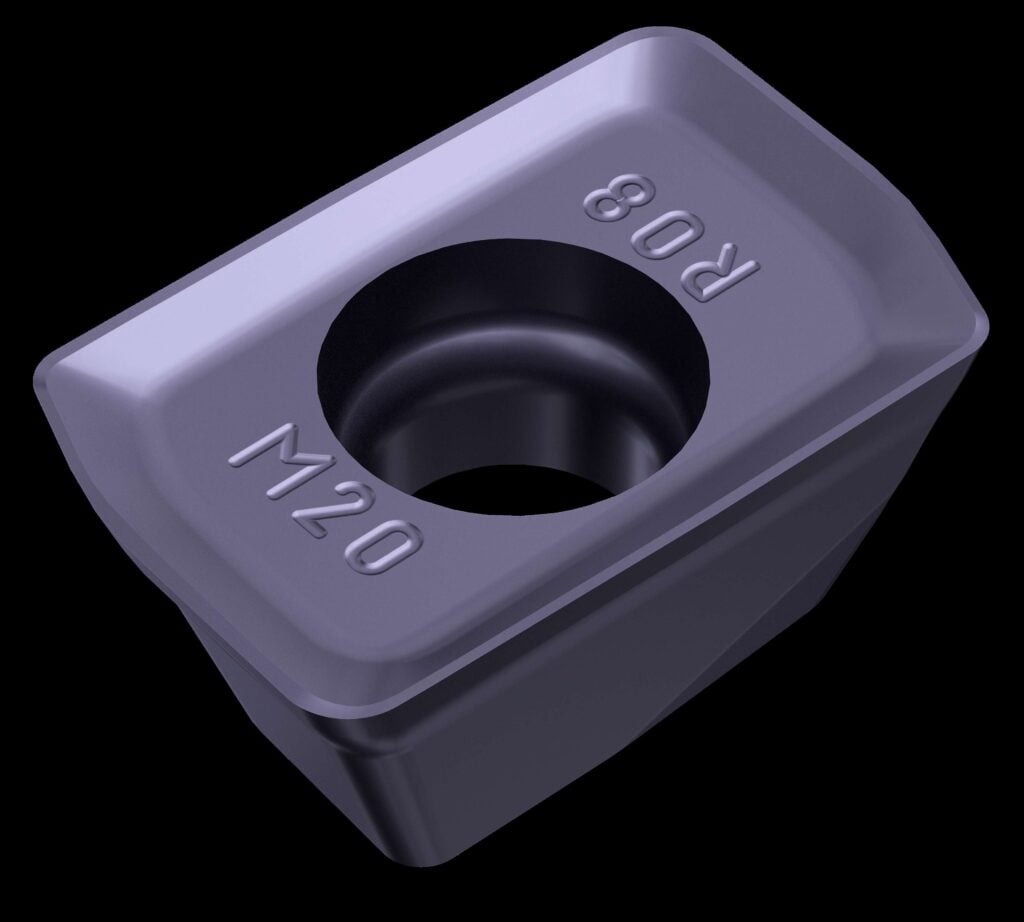
In addition, its sturdy cutter body and reliable interface enhance its dependability. As the tool body can be used for a longer period, this further reduces the need for replacement parts to be produced and decreases tool waste. Now available with grade GC1230, the tool benefits from improved edge line toughness, which helps extend its lifespan. Featuring Zertivo® PVD coating technology, it also provides excellent wear resistance to ensure it remains effective for a longer time.
GC1230 is an ISO P grade, broadening the range of materials that CoroMill® MS20 can machine. With GC1230, CoroMill® MS20 encourages dry machining, which is preferred in steel, and without the need for emulsion coolant, the machine’s overall electricity use can be lowered. The requirement for a coolant management system is also removed. Additional benefits include advanced substrate technologies that offer excellent wear resistance and edge line stability, supporting more predictable tool lifespan.
Carbide usage
By optimising for different ISO areas, as well as using inserts with a higher security, CoroMill® MS20 is designed to reduce overall carbide usage.
This in itself is a positive from an environmental perspective, leading to a reduction in the overall carbon footprint of a milling process. However, security and optimisation can also contribute to productivity successes, ensuring the tool works well in a range of applications. When we consider these benefits in the context of the tool’s long lifespan, its advanced design can therefore offer effective, long-term sustainability and productivity improvements.
The choice of milling tool can determine whether a process is slow and unreliable or quick, efficient, and precise. Since slower, wasteful methods can cause greater environmental harm and reduce productivity, making the right decision is crucial. As the CoroMill® MS20 demonstrates, selecting appropriate tools allows for minimising carbon emissions while maintaining high productivity.