08:24
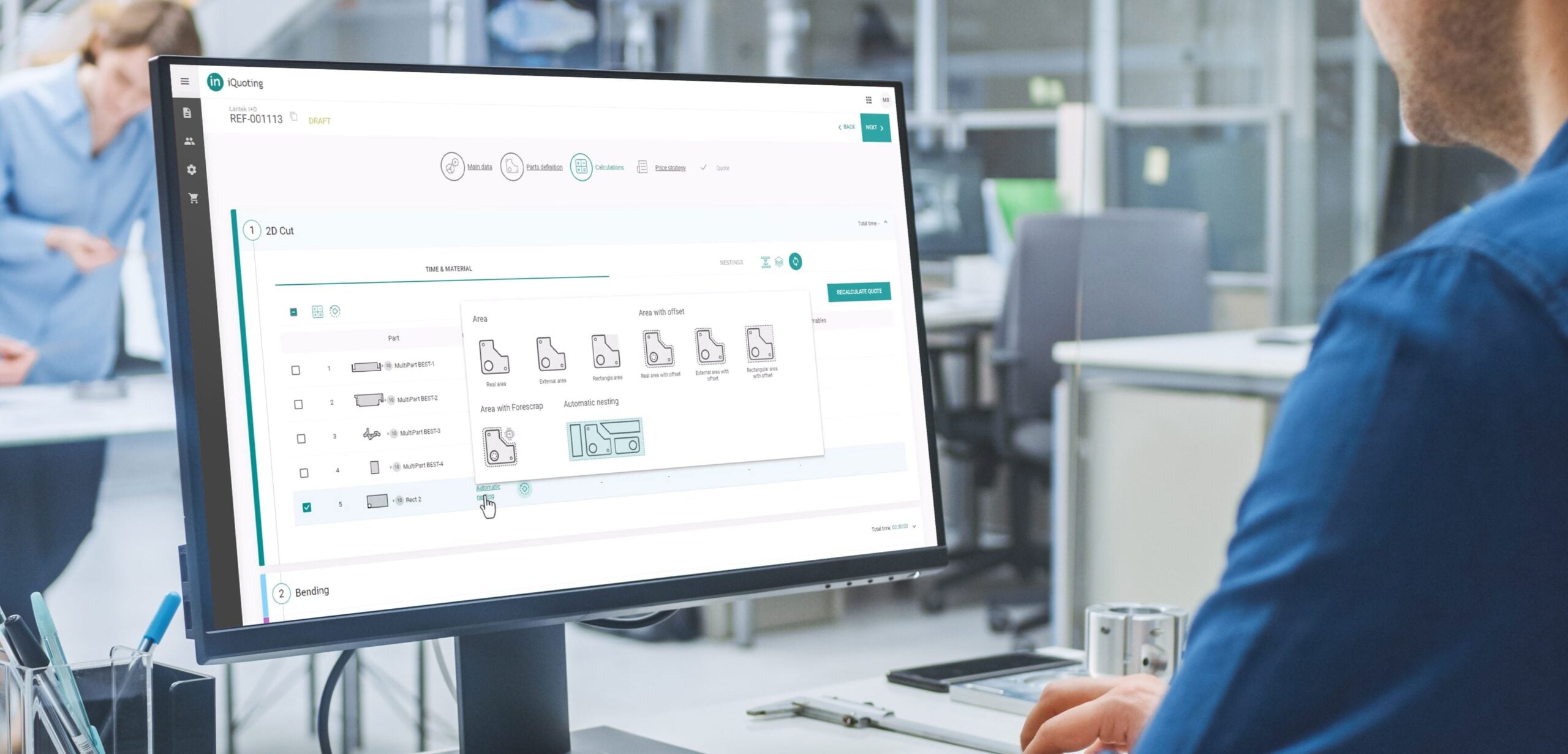
Traditional quoting methods in sheet metal fabrication and machining have relied heavily on individual experience and limited early-stage information. This approach brings its own set of challenges, including personal judgement leading to inaccurate pricing and manual methods that introduce inconsistencies between quotes. These factors can lead to frequent discrepancies between quoted and actual costs and make it harder to maintain reliable pricing. These inefficiencies are increasingly difficult to sustain in today’s fast-paced production environment.
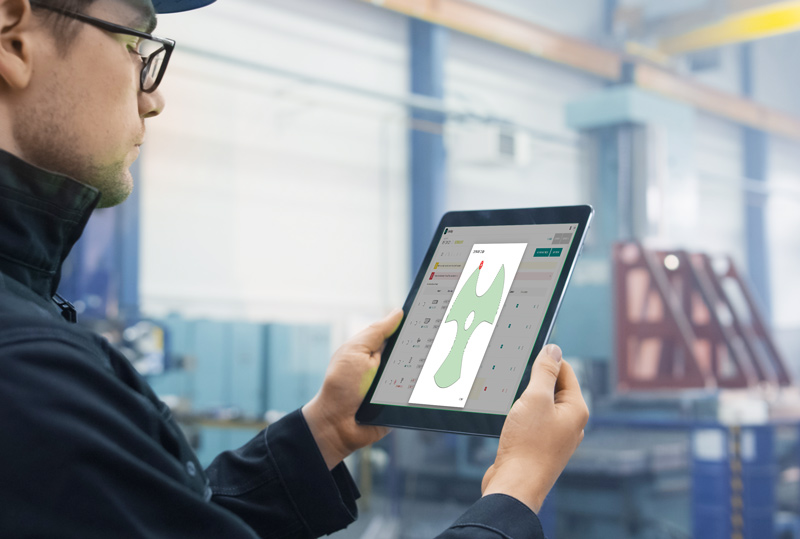
Another challenge is the limited information available at the quoting stage. At this point, many cost-influencing factors remain unknown and are clarified only later in the production process. These include material utilisation, nesting strategies, material waste and actual machine run time.
As quotations are prepared before production begins, sales teams often rely on past job performance and personal judgement rather than digital workflows. This reliance can introduce uncertainty and increase the risk of underestimating costs, potentially leading to financial loss. This is why integrated digital quoting systems are essential for scalability, as they improve accuracy, consistency and overall profitability by enabling more accurate cost estimation.
Leveraging real production data
With rising customer expectations for fast pricing turnaround, speed has become essential, but it is only part of the equation. Price remains a key factor in securing jobs, but consistency is equally important. Quotes that don’t accurately reflect actual production costs can quickly lead to a range of downstream issues, including unexpected cost increases, reduced margins, misaligned customer expectations and disruption to production planning.
This is where digital quoting systems are becoming increasingly important. By leveraging real production data, they reduce reliance on spreadsheets and manual calculations, improving pricing consistency and ensuring quotes are grounded in actual manufacturing reality rather than assumptions.
Digital workflows can capture how parts are nested, the material yield achieved and the actual machine times generated during production. The real challenge is then using this data to generate a quote before production processes are defined. Advanced integrated quoting systems, such as Lantek iQuoting, help manufacturers digitalise the quoting process by connecting pricing, materials and production data on a single platform. This enables faster, more accurate quotes based on real manufacturing inputs rather than estimates.
They use process-based calculation models and machine learning algorithms trained on real manufacturing and sales data, which learn from historical production outcomes to improve the accuracy of early-stage cost estimation over time. If historical data is limited, advanced quoting systems will rely on parameterised models and workshop criteria while new operational data is collected.
Automated cost calculations also remove the manual effort involved in traditional quoting, reducing the risk of human error and inconsistency. This enables faster response times to customer enquiries and allows sales teams to focus more on securing new business and higher-value activities, rather than spending time on repetitive administrative tasks.
Enhancing production efficiency through connected workflows
Digital quoting systems bring together data, standardisation and intelligence to reduce risk at the earliest stage of a project, when it is easiest to control and most costly to get wrong. By improving cost visibility, strengthening alignment between teams and reducing reliance on manual processes or disconnected workflows, manufacturers can move from reactive quoting to more confident, data-driven decision-making.
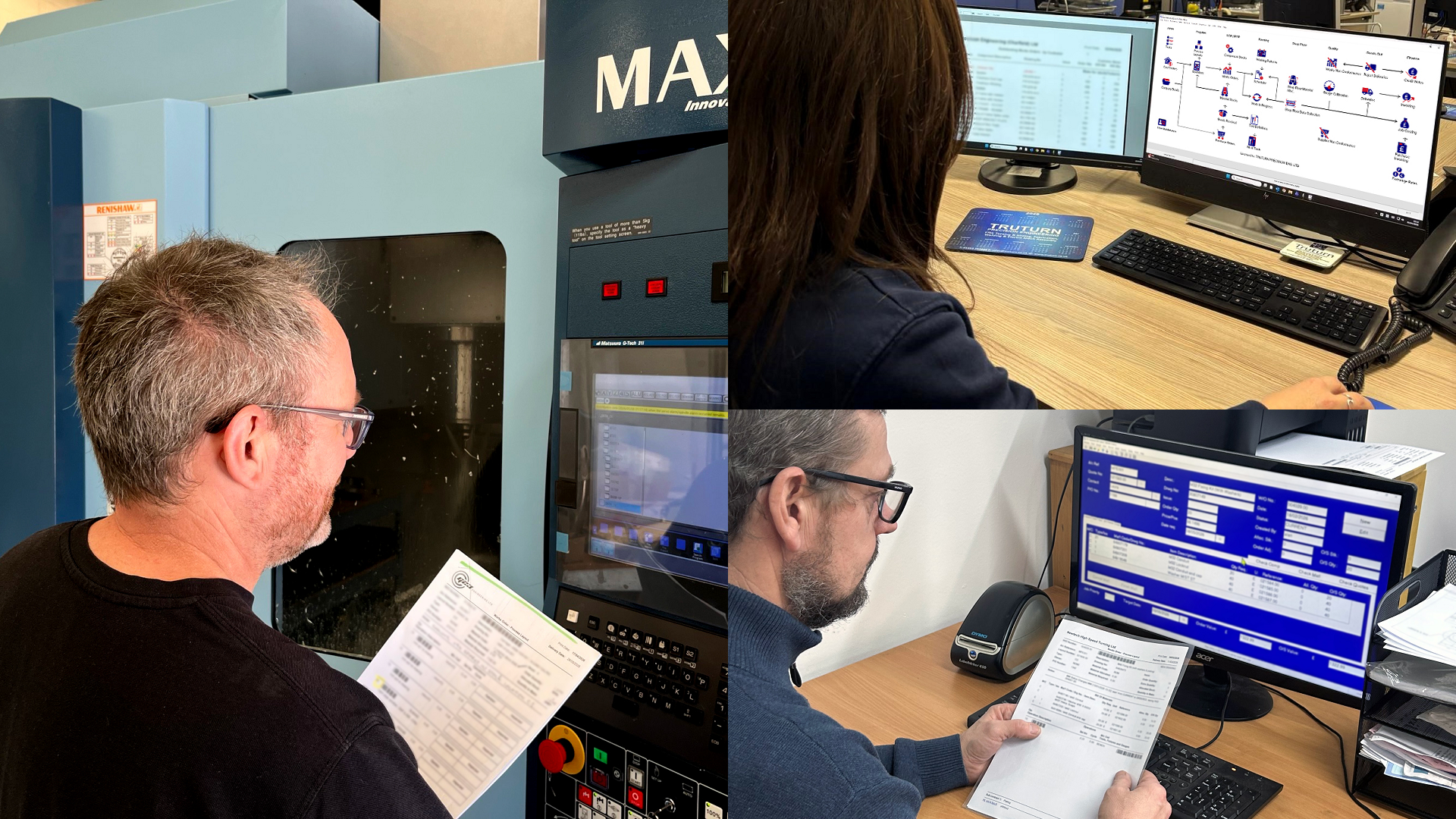
A fully digital quoting process is most effective when integrated with other core manufacturing systems, such as ERP and production planning tools. This integration enables data to flow across the shop floor, ensuring quotes are based on real-time performance.
When manufacturers deliver accurate quotes, they not only protect margins but also meet customer expectations, minimise production delays, and strengthen long-term relationships by building trust and securing work in a market where both speed and accuracy are important.