Setco End-of-Robot Spindles Enhance Robotic Machining with Greater Precision and Manufacturing Flexibility!
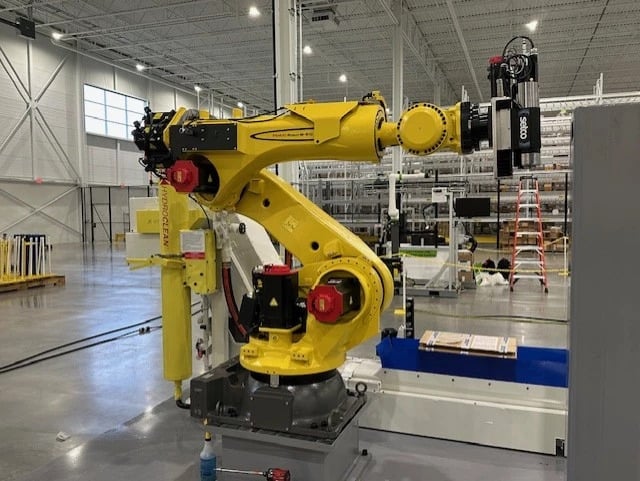
Setco has introduced its latest end-of-robot spindle technology at IMTS 2026, showcasing advanced machining spindles designed to significantly expand the capabilities of industrial robots in modern manufacturing environments. Engineered for seamless integration with robotic systems, the end-of-robot spindles enable manufacturers to transform conventional industrial robots into highly flexible machining platforms capable of performing a wide range of precision manufacturing operations. The new spindle solutions are designed to improve productivity, increase manufacturing flexibility, reduce capital investment, and support automated production across industries that demand high levels of precision and efficiency.
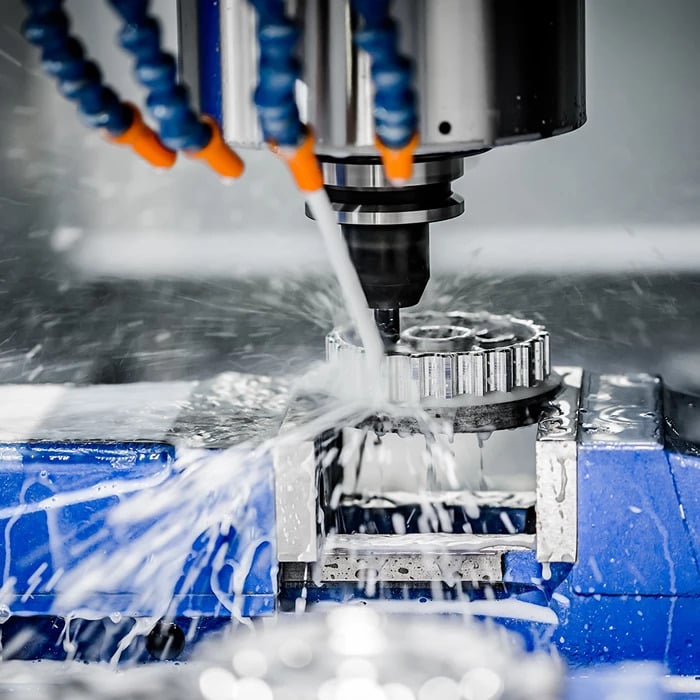
As manufacturers continue to embrace automation and Industry 4.0 technologies, industrial robots are increasingly being deployed for tasks beyond traditional material handling and assembly. Robotic machining has emerged as an effective solution for applications such as trimming, milling, drilling, deburring, grinding, polishing, and finishing, allowing manufacturers to maximise the utilisation of robotic systems while reducing dependence on multiple dedicated machine tools. Setco’s latest spindle technology has been developed to support this growing trend by delivering the speed, precision, and reliability required for demanding machining applications.
One of the primary advantages of robotic machining is its ability to provide exceptional manufacturing flexibility. Instead of investing in multiple specialised machines for different operations, manufacturers can equip robotic arms with high-performance machining spindles capable of performing numerous processes within a single automated work cell. This approach not only reduces capital expenditure but also minimises factory floor space requirements while enabling faster adaptation to changing production demands. Manufacturers operating high-mix, low-volume production environments particularly benefit from the flexibility offered by robotic machining systems.
Setco’s end-of-robot spindles have been specifically engineered to operate continuously in demanding industrial environments where reliability and productivity are critical. Their robust construction allows them to withstand prolonged production cycles while maintaining consistent machining performance. Continuous operation enables manufacturers to increase machine utilisation, shorten production cycles, and improve overall equipment effectiveness (OEE), ultimately contributing to higher production output and greater operational efficiency.
The use of robotic machining also helps improve product quality by delivering highly consistent machining performance. Automated machining processes eliminate many of the variations associated with manual operations, ensuring repeatable cutting performance across every production cycle. This consistency reduces scrap rates, minimises rework, and lowers production downtime, enabling manufacturers to achieve higher quality standards while reducing manufacturing costs.
A major design advantage of the Setco spindle range is its compact and lightweight construction. Industrial robots have defined payload capacities, making spindle weight an important consideration when selecting end-of-arm tooling. The lightweight design allows the spindles to be mounted easily on robotic arms without significantly affecting payload capacity, dynamic performance, or motion accuracy. Manufacturers can therefore integrate machining capability into existing robotic systems without compromising robot speed, positioning accuracy, or operational efficiency.
To provide greater application flexibility, the spindles are available in configurations with or without an integrated slide mechanism. This enables manufacturers to tailor the spindle configuration according to specific machining requirements, allowing the same robotic platform to support a wider range of production applications. The modular design also simplifies system integration while providing greater adaptability as manufacturing needs evolve.
Despite their compact dimensions, the end-of-robot spindles deliver high power density, enabling efficient machining across a broad variety of materials and manufacturing applications. The combination of compact size and high machining performance allows manufacturers to process metals, composites, plastics, and other engineering materials while maintaining stable cutting conditions and consistent surface quality. This versatility makes the spindle systems suitable for industries including aerospace, automotive, medical device manufacturing, electronics, metal fabrication, composite machining, and precision engineering.
Advanced bearing technology forms another key element of the spindle design. High-quality precision bearings provide excellent rotational stability while supporting continuous high-speed operation under demanding cutting conditions. Combined with precision dynamic balancing, the spindle system delivers exceptionally smooth operation with minimal vibration. Reduced vibration improves machining accuracy, enhances surface finish quality, extends cutting tool life, and contributes to longer spindle service life by reducing mechanical wear during prolonged production.
The ability to integrate precision machining directly into robotic systems also supports manufacturers pursuing flexible automation strategies. Robotic machining cells can be rapidly reprogrammed to accommodate different component geometries and production requirements, enabling faster product changeovers without major equipment modifications. This flexibility is particularly valuable for manufacturers producing multiple product variants or frequently changing production schedules.
As manufacturing continues to move towards greater automation, digitalisation, and flexible production, robotic machining is expected to play an increasingly important role in improving productivity and operational efficiency. End-of-arm spindle technology enables industrial robots to evolve from simple handling systems into multifunctional manufacturing platforms capable of performing value-added machining operations with high precision and consistency.
With the introduction of its latest end-of-robot spindles at IMTS 2026, Setco continues to strengthen its portfolio of advanced spindle technologies for automated manufacturing. By combining robust construction, lightweight design, high power density, advanced bearing technology, and flexible integration options, the new spindle systems enable manufacturers to expand the capabilities of industrial robots while achieving greater agility, improved machining quality, reduced operating costs, and higher productivity across a wide range of automated manufacturing applications.