
HERMLE Expands Automation Portfolio with RS 1 GEN2 Robot System for Flexible Pallet and Workpiece Handling!
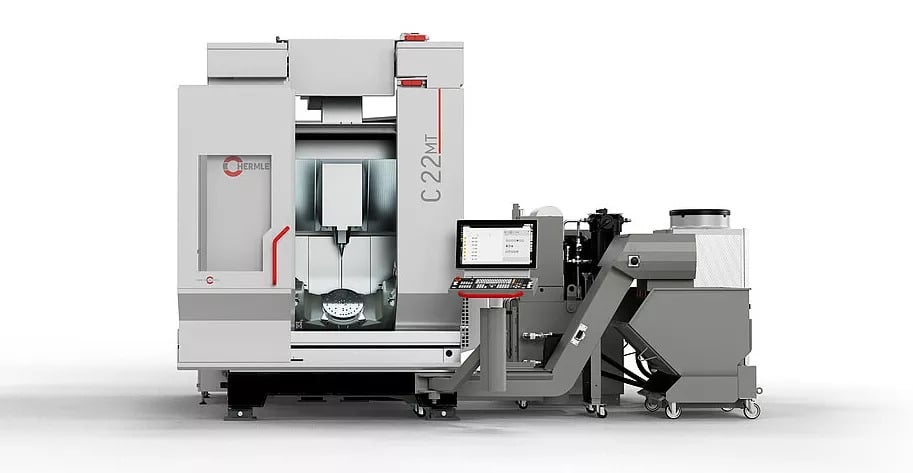
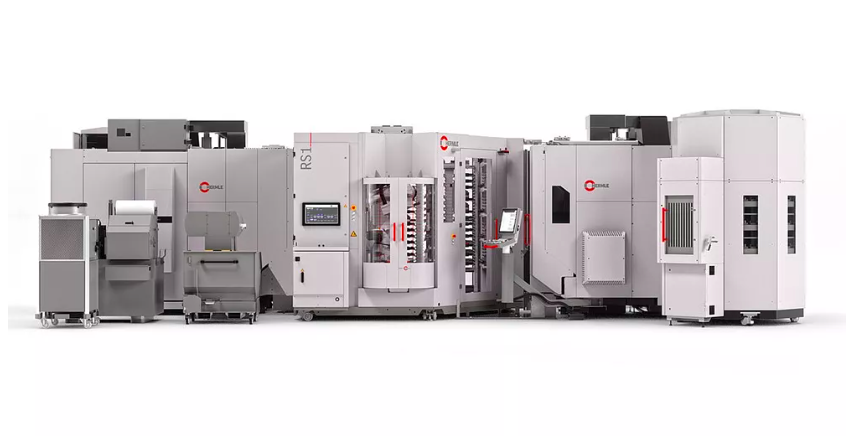
Maschinenfabrik Berthold HERMLE AG has strengthened its automation portfolio with the introduction of the RS 1 GEN2 robot system, a next-generation automation solution developed to meet the growing demands of modern manufacturing environments. Designed to deliver greater flexibility, longer unattended operating periods, and improved process reliability, the RS 1 GEN2 enables manufacturers to automate pallet handling, workpiece management, and component loading within a single integrated system. The new automation cell is aimed at companies seeking higher machine utilisation while maintaining the flexibility required for high-mix, low- to medium-volume production.
As manufacturers across the world continue to embrace Industry 4.0 and smart factory initiatives, automation has become essential for improving productivity, addressing skilled labour shortages, and increasing manufacturing efficiency. However, many production facilities now operate in environments where batch sizes are becoming smaller, product variants are increasing, and customer demands change frequently. These conditions require automation systems that are not only productive but also highly adaptable. The RS 1 GEN2 has been specifically developed to address these evolving manufacturing challenges by combining flexibility with reliable automated operation.
The new robot system functions as a fully integrated automation cell capable of handling pallets, workpiece carriers, and individual components without requiring extensive manual intervention. This versatility allows manufacturers to automate a wide variety of machining operations while supporting everything from single-part production to small and medium-sized production batches. Whether producing customised components or repeating established manufacturing programmes, the system provides the flexibility needed to respond efficiently to changing production schedules.
One of the key strengths of the RS 1 GEN2 is its ability to integrate multiple automation functions into a single platform. The system combines automated pallet handling with integrated workpiece handling, allowing machines to continue operating while new jobs are prepared simultaneously. This setup-during-production capability significantly reduces machine idle time by enabling operators to prepare subsequent workpieces without interrupting the ongoing machining process. As a result, manufacturers can maximise spindle utilisation and increase overall production output.
The system has also been engineered to support extended unattended machining, enabling production to continue during evenings, overnight shifts, and weekends with minimal operator involvement. Longer autonomous operating periods improve equipment productivity while allowing manufacturers to maximise the return on investment from their machining centres. This capability is becoming increasingly valuable as companies seek to increase output without proportionally increasing labour costs.
To further enhance manufacturing flexibility, the RS 1 GEN2 features automatic gripper changes and automated clamping device changes. These capabilities allow the system to switch efficiently between different workpiece types, pallet configurations, and production requirements without manual adjustments. By automatically adapting to varying component geometries and machining setups, the robot system supports highly flexible production strategies while maintaining continuous machine operation.
The automated changeover functions also contribute to higher system availability by reducing setup times and minimising production interruptions. Manufacturers can transition more quickly between different jobs, making the system particularly well suited for subcontract manufacturers, precision engineering companies, toolmakers, and businesses producing a wide variety of components in smaller production quantities.
Beyond improving productivity, the RS 1 GEN2 helps reduce dependence on manual material handling, improving workplace safety and reducing the risk of operator errors during loading and unloading operations. Automated handling also provides greater consistency in workpiece positioning, contributing to improved machining accuracy and repeatability across extended production runs.
The introduction of the RS 1 GEN2 reflects the increasing importance of modular automation systems that can evolve alongside changing manufacturing requirements. Rather than investing in dedicated automation designed only for high-volume production, manufacturers are increasingly seeking flexible systems capable of supporting both current production demands and future business growth. HERMLE has developed the RS 1 GEN2 with this scalability in mind, allowing manufacturers to expand their automation capabilities while maintaining the agility required for dynamic production environments.
Automation also plays a significant role in improving the sustainability of manufacturing operations. By increasing machine utilisation, reducing idle time, minimising unnecessary handling, and optimising production scheduling, integrated automation systems help lower energy consumption and improve overall operational efficiency. These benefits contribute to reduced manufacturing costs while supporting more sustainable production practices.
With the launch of the RS 1 GEN2, HERMLE continues to strengthen its position as a provider of advanced machining and automation solutions for precision manufacturing. By integrating pallet handling, workpiece handling, automatic tool change capabilities, and flexible production management into a single automation cell, the company offers manufacturers a practical solution for increasing productivity, improving process reliability, and preparing their operations for the future demands of smart manufacturing.