

Mitsubishi Materials Introduces MY6125 Grade Inserts for High-Speed Machining of P20 Steel!
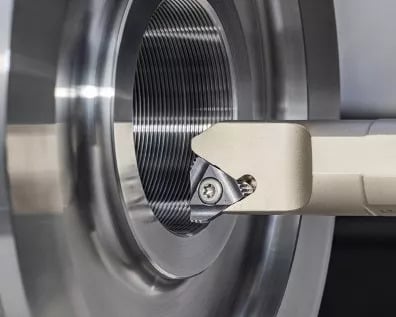
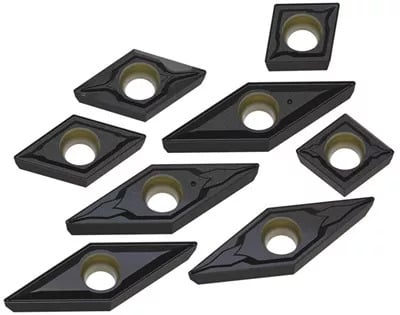
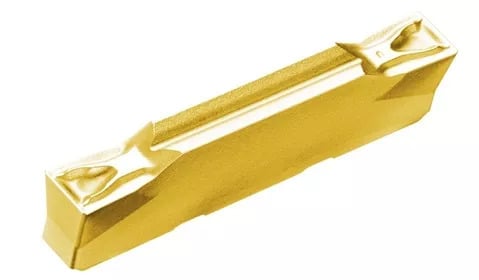
MITSUBISHI MATERIALS has expanded its cutting tool portfolio with the introduction of the new MY6125 grade for GY inserts, a high-performance solution specifically developed to deliver stable and efficient machining of P20 steel. Designed for high-speed machining applications, the new insert grade combines advanced coating technology with a durable carbide substrate to improve wear resistance, extend tool life, and maintain consistent cutting performance under demanding production conditions.
P20 steel is one of the most widely used tool steels in the manufacturing industry, particularly for the production of plastic injection moulds, die-casting tools, fixtures, and precision tooling. Its excellent machinability, toughness, and ability to achieve high-quality surface finishes make it a preferred material for mould and die manufacturers. However, high-speed machining of P20 steel places significant demands on cutting tools due to elevated cutting temperatures, continuous mechanical loading, and the need for consistent dimensional accuracy. Mitsubishi Materials has developed the MY6125 grade to address these challenges while helping manufacturers improve productivity and reduce tooling costs.
At the heart of the new insert grade is an advanced Chemical Vapour Deposition (CVD) coating system engineered to maximise wear resistance and deliver longer service life during high-speed machining operations. The multi-layer coating structure has been carefully designed to protect the cutting edge from abrasive wear, thermal degradation, and mechanical stress, allowing manufacturers to maintain stable machining conditions over extended production runs.
One of the key features of the MY6125 grade is its titanium nitride (TiN) outer coating layer. In addition to providing excellent wear resistance, the TiN layer offers improved wear visibility, allowing machine operators to more easily monitor tool condition and determine the optimal time for insert replacement. This improved visual indication helps reduce the risk of unexpected tool failure while supporting more effective tool life management and predictable production scheduling.
The TiN surface also contributes additional lubricity during machining, helping reduce friction between the cutting tool and workpiece. Lower friction results in smoother chip flow, reduced heat generation, and more stable cutting performance, particularly during high-speed operations where thermal management plays a critical role in maintaining tool life and machining accuracy.
Beneath the outer layer, the MY6125 grade incorporates a super nano-textured aluminium oxide (Al₂O₃) coating specifically engineered to withstand the extreme temperatures generated during high-speed machining. Aluminium oxide is widely recognised for its excellent thermal insulation properties, and the advanced nano-textured structure further enhances resistance to wear at elevated temperatures. By protecting the cutting edge from excessive heat, the coating helps maintain consistent machining performance while extending insert life even under demanding cutting conditions.
To further improve coating durability, Mitsubishi Materials has developed a high-strength grip adhesion layer that securely bonds the Al₂O₃ coating to the underlying titanium carbonitride (TiCN) layer. This advanced bonding technology significantly enhances coating integrity, reducing the likelihood of delamination, chipping, or premature coating separation during heavy-duty machining. Stronger adhesion ensures that the protective coating continues to perform effectively throughout the insert’s service life, contributing to greater process reliability and consistent machining results.
Supporting the advanced coating system is a specially engineered carbide substrate designed to resist plastic deformation under high cutting loads. During high-speed machining, cutting tools are subjected to substantial mechanical forces that can permanently deform the cutting edge, reducing machining accuracy and shortening tool life. The robust carbide substrate used in the MY6125 grade provides the strength and toughness needed to maintain cutting-edge geometry throughout prolonged machining operations, ensuring reliable performance and consistent dimensional accuracy.
The combination of advanced coatings and a high-strength substrate makes the MY6125 grade particularly well suited for demanding production environments where stable machining, extended tool life, and reduced downtime are essential. Manufacturers producing moulds, dies, precision tooling, and other components from P20 steel can benefit from increased productivity through higher cutting speeds, fewer insert changes, and improved process stability.
Modern manufacturing increasingly demands cutting tools capable of delivering both performance and reliability while reducing overall production costs. Improvements in coating technology, substrate engineering, and wear resistance enable manufacturers to maximise machine utilisation, improve surface quality, and achieve more predictable machining outcomes. The MY6125 grade has been developed with these objectives in mind, offering a balanced combination of durability, thermal resistance, and machining efficiency.
With the introduction of the MY6125 grade for GY inserts, Mitsubishi Materials continues to strengthen its range of advanced cutting tool solutions for precision manufacturing. By combining an innovative CVD coating system, high-performance wear-resistant layers, enhanced coating adhesion, and a deformation-resistant carbide substrate, the new insert grade provides manufacturers with a dependable solution for achieving higher productivity, longer tool life, and consistent performance when machining P20 steel in demanding industrial applications.