
08:32
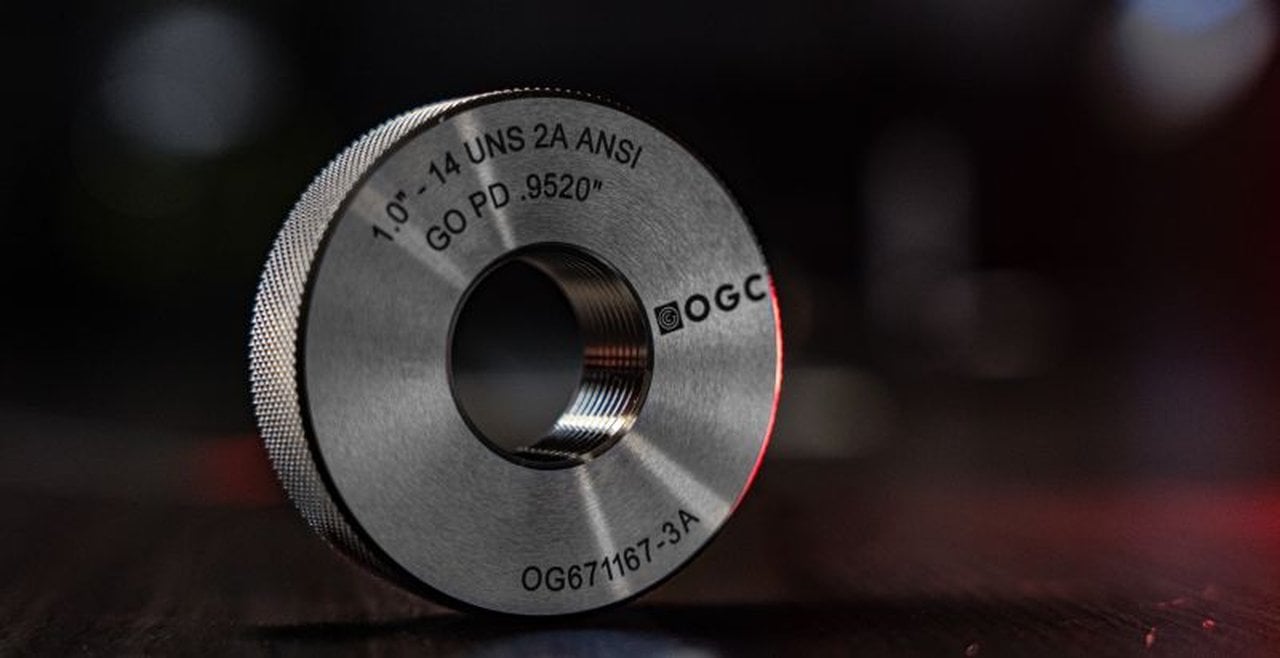
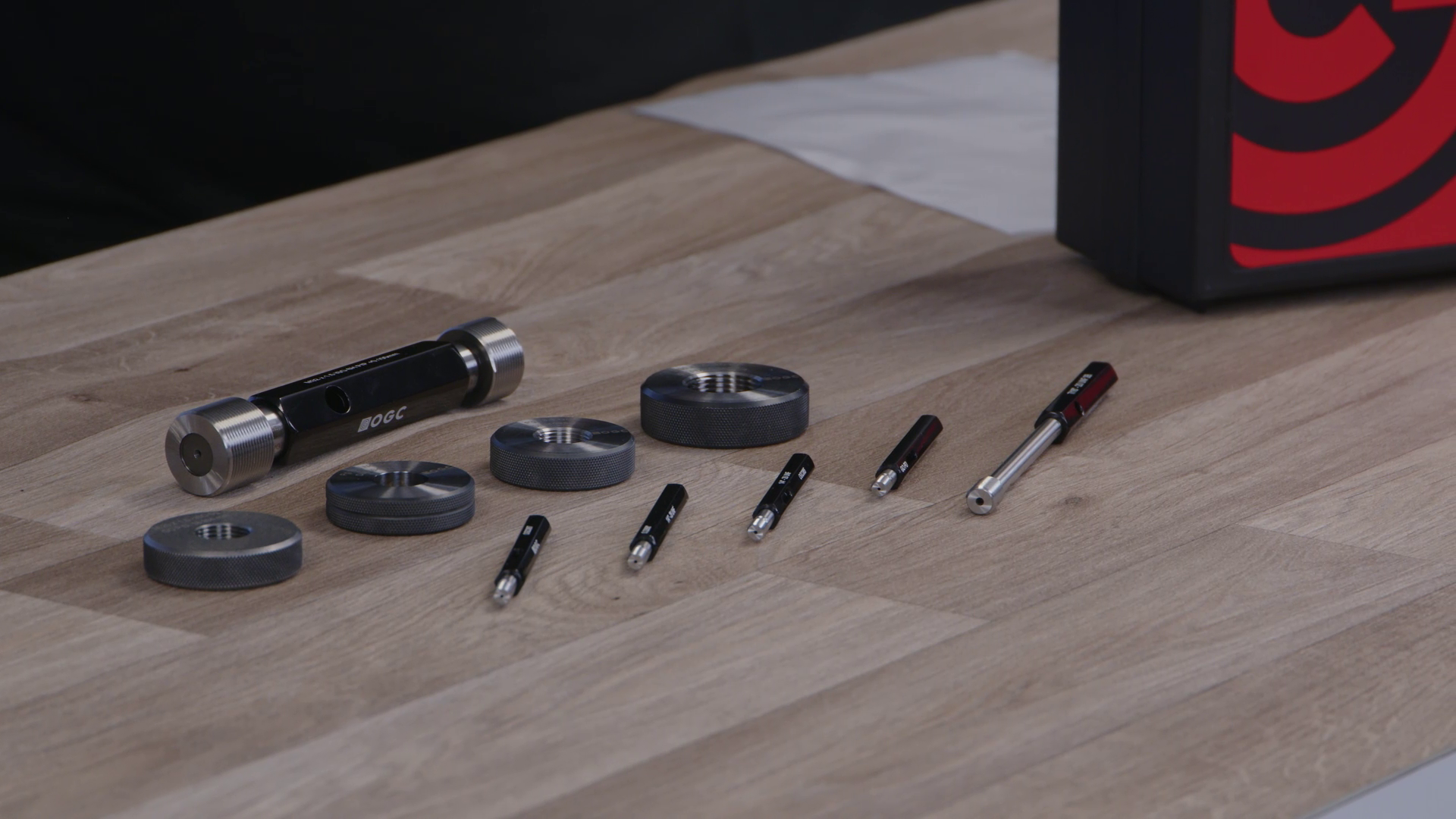
In the arena of precision engineering, the ring gauge stands as a silent sentinel, ensuring quality and accuracy in production processes. These devices, while simple in design, play a crucial role in verifying the external dimensions of key components. They are fundamental in maintaining the integrity of engineering processes worldwide.
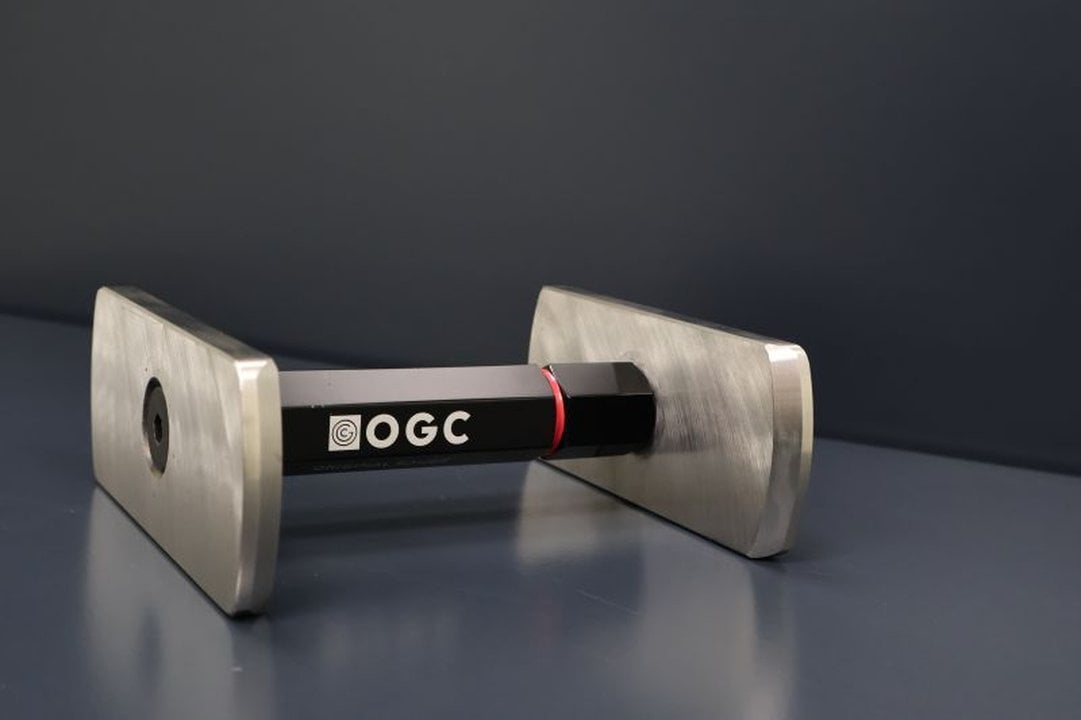
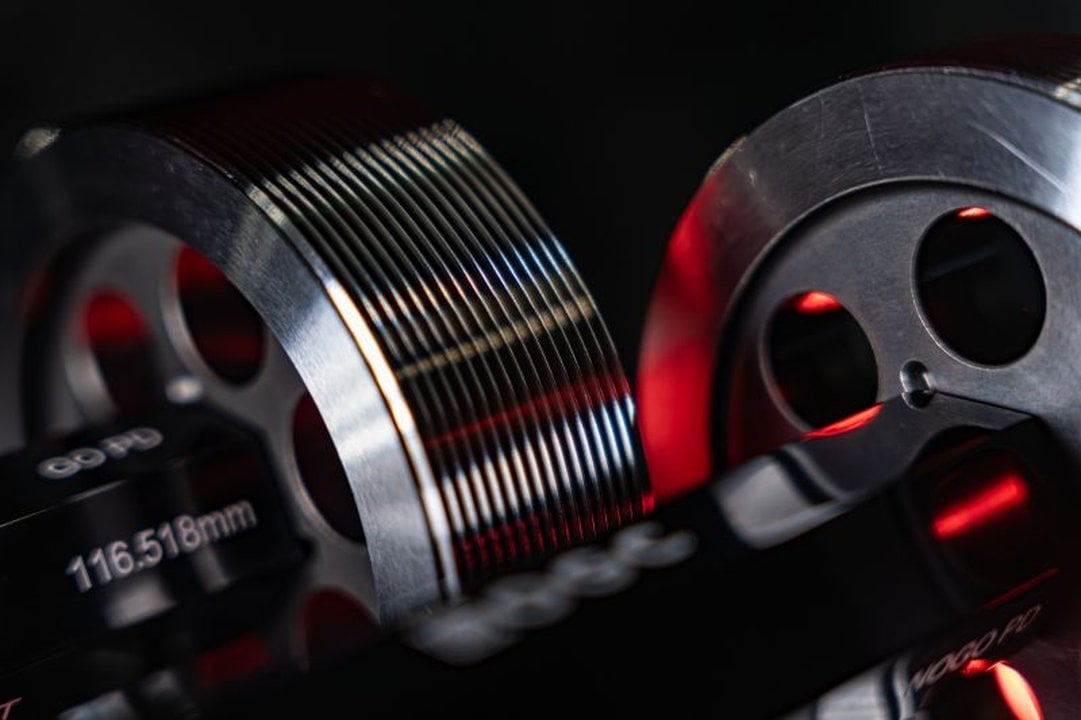
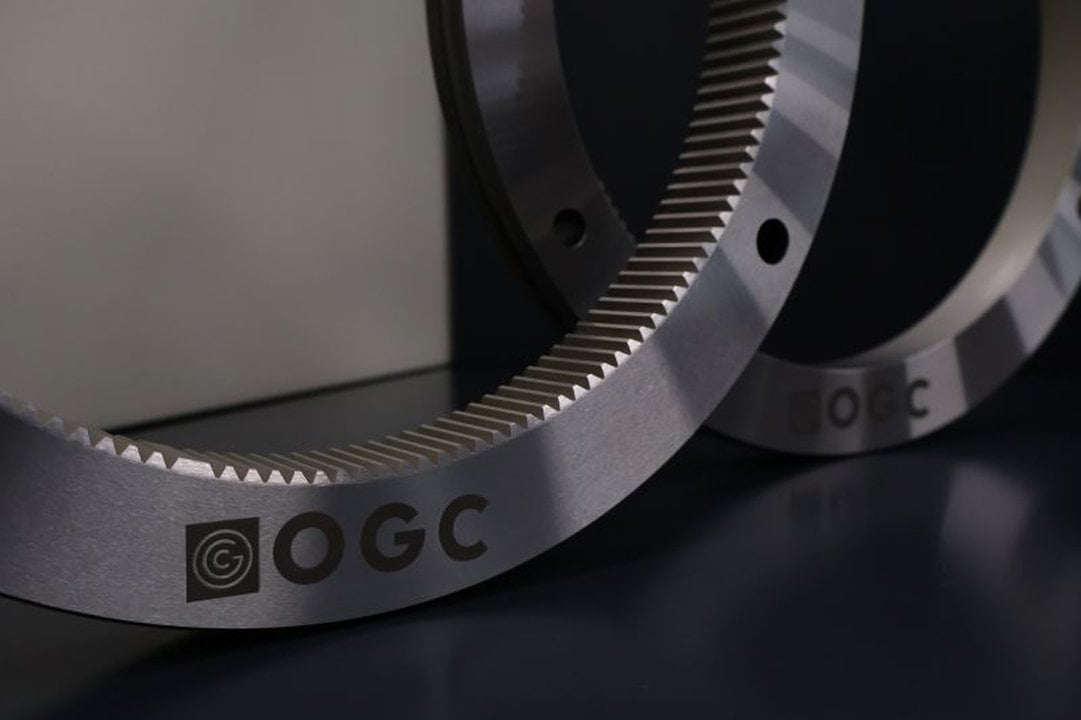
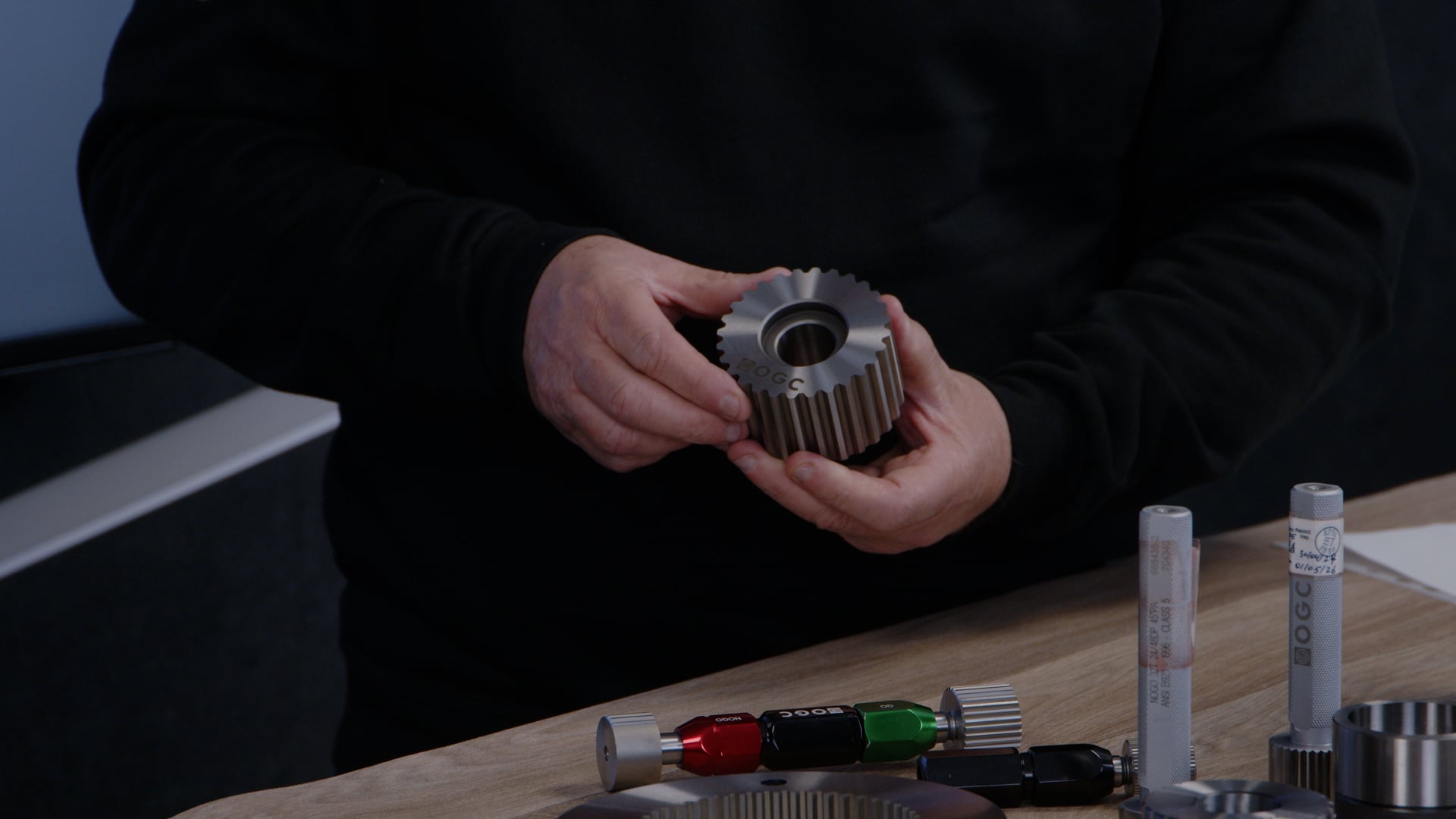
Ring gauges are engineered to exacting standards, hardened and thermally stable, making them indispensable tools in measuring threads, plain diameters, and splines. Designed to perform one task flawlessly, they provide absolute certainty in verifying component sizes.
There are three primary types of ring gauges: Go Gauges, No-Go Gauges, and Master/Setting Gauges. Go Gauges confirm whether a component meets its maximum material condition. Conversely, No-Go Gauges ensure that parts do not exceed the minimum material condition. Master/Setting Gauges serve as ultra-precise references for calibrating working gauges and metrology instruments, thus underpinning dimensional inspections globally.
Available in internationally recognized grades such as ISO, ANSI, JIS, and DIN, ring gauges offer varying tolerances to match the required precision levels of different processes. Higher grades correlate with tighter tolerances and increased measuring confidence.
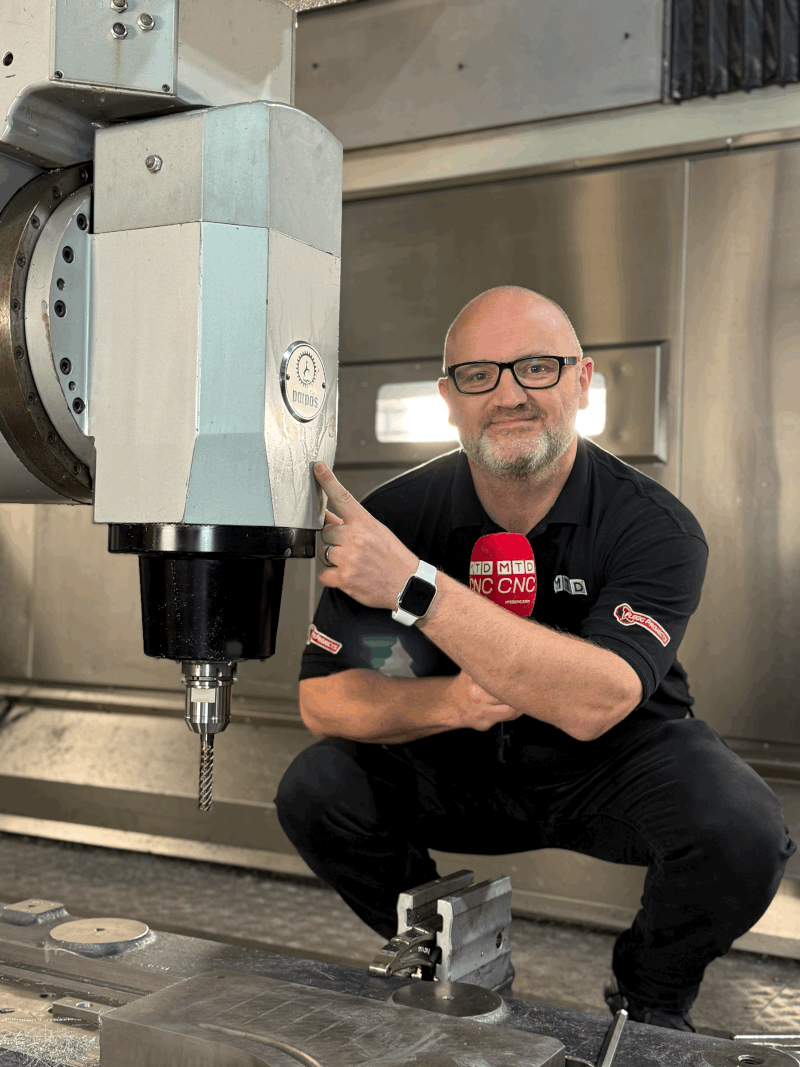
The Original Gauge Company (OGC) has championed the cause of precision engineering for over 60 years. With expertise in splines, threads, and plain diameter gauges, OGC continues to manufacture and calibrate their gauges to the highest possible standards. Russell Hicks, a spokesperson for OGC, emphasizes the importance of these tools, noting their role as the “unsung heroes of precision engineering” that ensure the integrity of entire production lines.
Serving industries like motorsport and aerospace, where precision is critical, OGC not only provides tools but also guarantees confidence, accuracy, and seamless processes.
Read this post on LinkedIn
Opt in today to our newsletter