

Reliance Set to Begin Solar Cell Production, Paving the Way for India’s Largest Integrated Clean Energy Platform!
By Ashutosh Arora
Reliance Industries Ltd (RIL), India’s largest private-sector enterprise, is on the brink of a major milestone in its clean energy journey. The conglomerate is poised to commence production at its solar cell manufacturing facility in the upcoming quarter, marking a pivotal step toward building a fully integrated solar manufacturing ecosystem at its Jamnagar site in Gujarat.
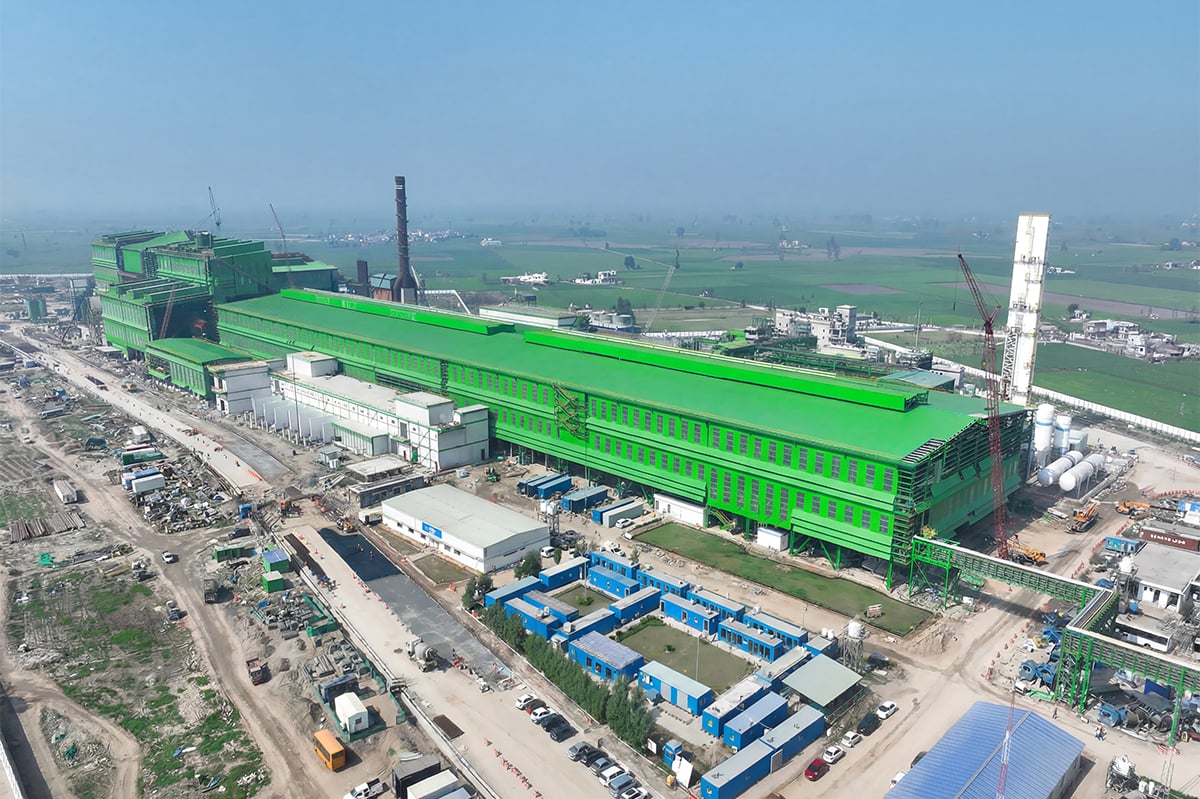
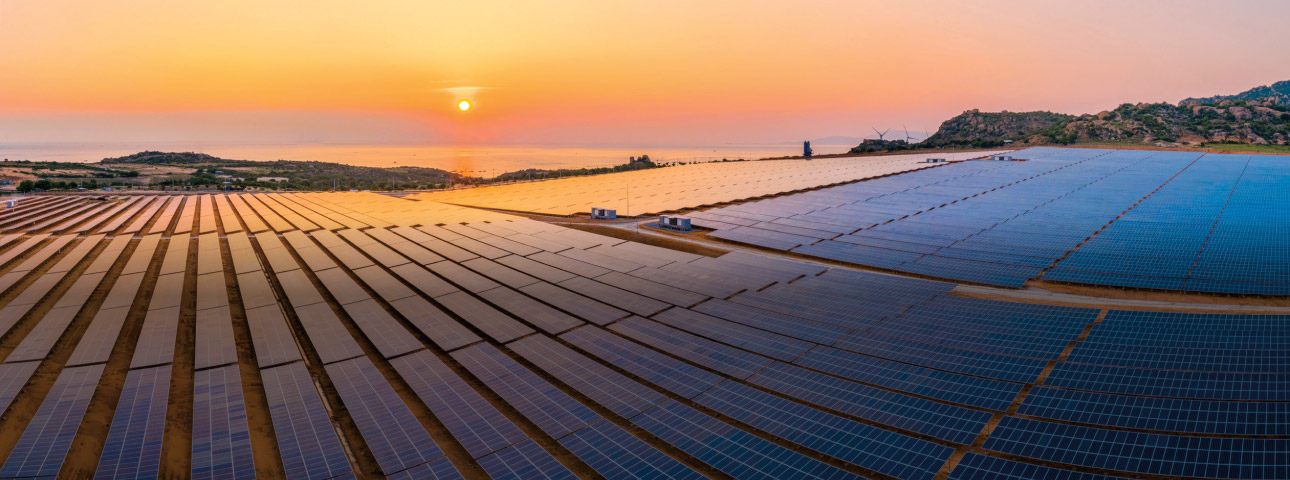
The Jamnagar complex is being developed as a holistic solar production hub, encompassing the entire value chain—from raw materials to high-performance solar modules. This includes the manufacturing of polysilicon, wafers, solar cells, modules, and solar glass, all under one roof. Production has already begun for Heterojunction Technology (HJT) solar modules, which are engineered to deliver superior efficiency for utility-scale solar power projects.
In parallel, Reliance is also constructing what is expected to be India’s largest solar glass manufacturing facility. Spanning more than 1.3 kilometers, this plant will supply critical glass components for Reliance’s in-house solar module production, reinforcing its strategy of backward integration and operational efficiency.
“This is about building a cost-effective, fully integrated clean energy platform,” said Karan Suri, Senior Vice President of New Energy at Reliance. “We are targeting a minimum 25% reduction in energy costs for our group companies and enhanced ROI through vertical integration in both manufacturing and renewable power generation.”
To ensure consistent power delivery, RIL is integrating solar power generation with battery energy storage systems at its Kutch site. The company is pursuing a just-in-time logistics model, where solar modules will be shipped directly from Jamnagar to installation sites. At full operational scale, Reliance aims to deploy approximately 50 megawatts of solar panels and 175 megawatt-hours of energy storage capacity per day.
Further reinforcing its clean energy ambition, Reliance is also setting up a plant for manufacturing alkaline electrolyzers to produce green hydrogen—powered entirely by its own renewable energy. A dedicated transmission line is under construction to carry electricity from Kutch to the Jamnagar hub, enabling seamless internal distribution of clean energy for industrial use and emerging ventures.
Reliance has access to over 700,000 acres of land in Kutch and aims to develop up to 125 GW of renewable energy capacity in the long term. This massive scale positions the company to build one of the world’s most comprehensive clean energy ecosystems outside of China.
“What Jio did for digital connectivity, we now aim to do for energy—democratize access, lower costs, and lead the transition,” Suri added, highlighting the company’s vision for energy transformation.
The move aligns with Reliance’s broader financial and strategic trajectory. In FY24, the company posted consolidated revenues of ₹10 lakh crore (US$119.9 billion), net profits of ₹79,020 crore (US$9.5 billion), and a cash profit of ₹1.42 lakh crore (US$17 billion). With diversified interests in petrochemicals, retail, digital services, and now renewable energy, Reliance is not just reshaping India’s economic landscape—it’s redefining the global clean energy narrative.
Recognized on platforms such as the Fortune Global 500, Forbes Global 2000, and TIME’s 100 Most Influential Companies, Reliance’s global influence continues to grow. Its commitment to sustainable innovation and employee excellence has also earned it a spot among Forbes’ “World’s Best Employers,” reflecting its focus on both environmental and human capital.
With the solar cell facility gearing up for production and multiple renewable projects in the pipeline, Reliance is leading India’s charge into the future of clean, affordable, and scalable energy.