
PM Narendra Modi inaugurates Kaynes semiconductor facility, boosting India’s chip ambitions!
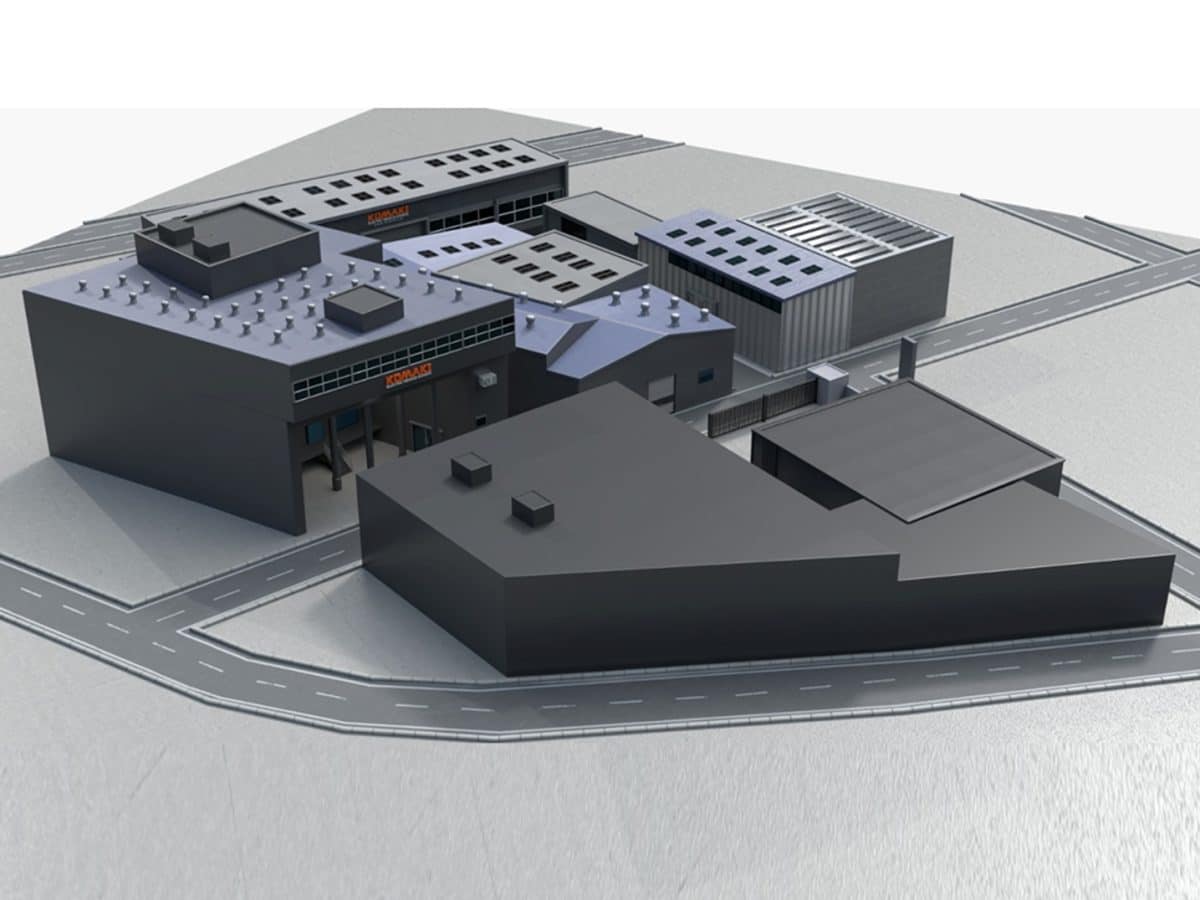
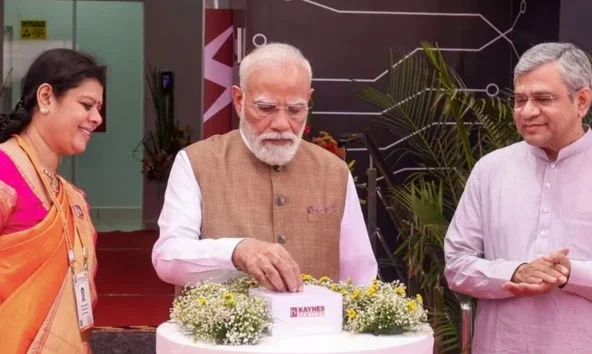
Narendra Modi has inaugurated the semiconductor manufacturing facility of Kaynes Technology in Sanand, marking a significant milestone in India’s journey toward becoming a global semiconductor hub. The inauguration formally signals the commencement of production at the plant and reinforces the country’s growing momentum in advanced electronics manufacturing.
The launch comes at a time when India is rapidly accelerating its semiconductor ecosystem, with multiple facilities being established across the country. The Sanand region, in particular, is emerging as a key semiconductor and electronics manufacturing cluster, reflecting strong policy support and increasing industry participation.
The Kaynes facility is focused on the production of Intelligent Power Modules (IPMs), which are essential components used in electric vehicles, industrial automation systems and energy infrastructure. These modules play a critical role in managing power efficiently, making them vital for next-generation technologies such as EVs and renewable energy systems. A notable portion of the plant’s output has already been secured for export, including supply commitments to global technology companies—highlighting India’s integration into international supply chains.
During the inauguration, the Prime Minister emphasized that such projects represent a major step toward technological self-reliance. He highlighted the importance of domestic companies entering the semiconductor space, noting that this shift strengthens India’s position not just as a manufacturing destination but also as a reliable partner in the global technology ecosystem.
The facility aligns closely with the government’s broader India Semiconductor Mission, which aims to build capabilities across the entire semiconductor value chain—from design and fabrication to packaging and testing. Through this initiative, India is working to reduce dependence on imports while meeting the rapidly growing domestic demand for semiconductors.
The impact of the Kaynes facility extends across multiple industries. Sectors such as electric mobility, clean energy and industrial automation are expected to benefit significantly from a stable and localised semiconductor supply. As these industries expand, access to reliable components will be crucial for sustaining growth and innovation.
In parallel, the government is also investing in workforce development and research to support the semiconductor ecosystem. Training programs, academic collaborations and skill development initiatives are being introduced to build a strong talent pipeline capable of supporting advanced manufacturing operations.
Efforts are also underway to strengthen supply chains for critical materials and promote innovation in chip design, ensuring long-term sustainability and competitiveness. These measures are essential for establishing a resilient semiconductor ecosystem that can compete on a global scale.
Overall, the inauguration of the Kaynes semiconductor facility represents a major step forward in India’s industrial and technological evolution. By combining policy support, industry investment and local manufacturing capabilities, India is positioning itself as a key player in the global semiconductor landscape while driving growth across multiple high-tech sectors.