Mitsubishi Electric introduces digital twin technology to enhance CNC machining precision!
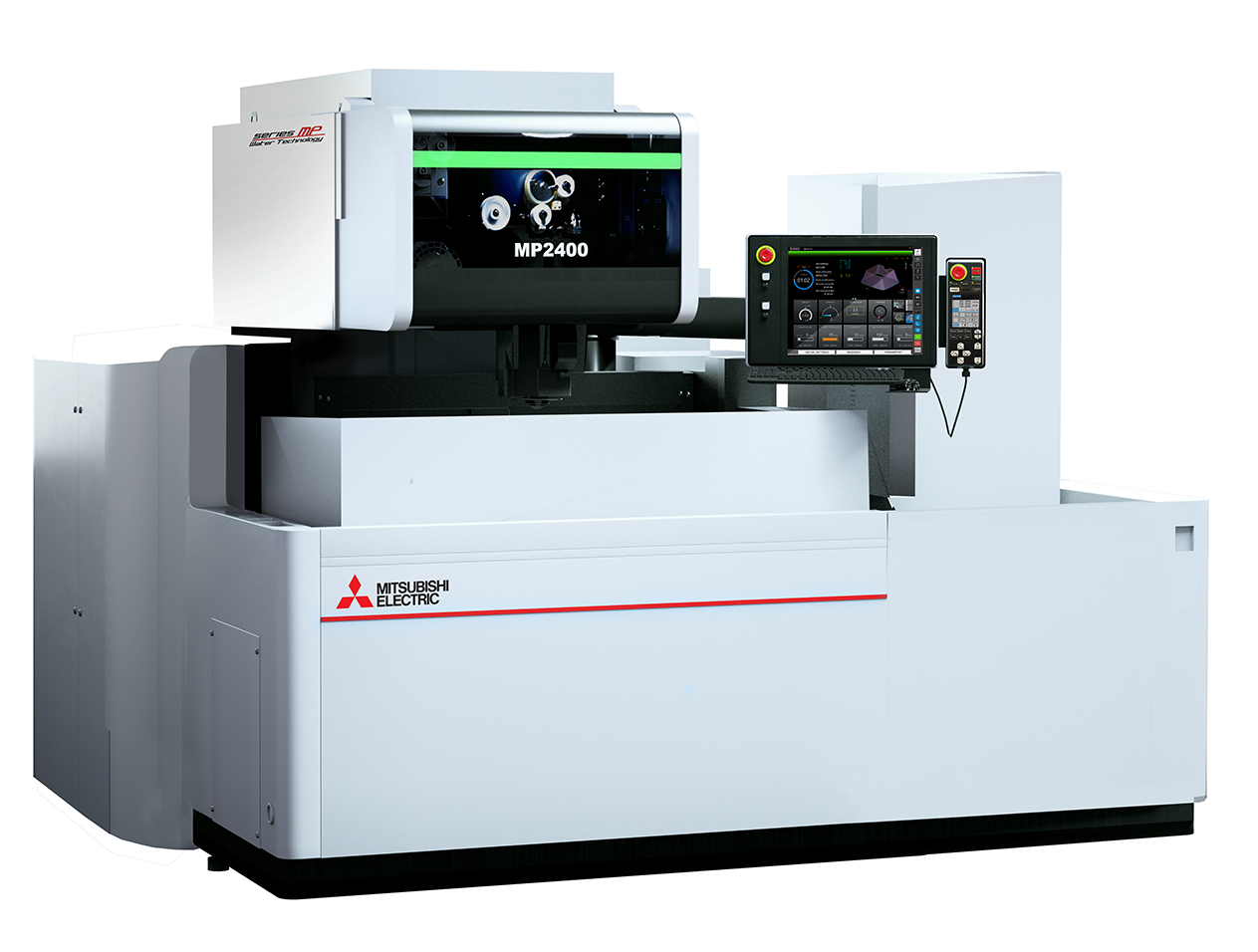
Mitsubishi Electric Corporation has unveiled an advanced digital twin technology aimed at significantly improving accuracy in CNC machining processes. Developed in collaboration with RWTH Aachen University, the innovation enables real-time correction of machining deviations, marking a major step forward in precision manufacturing and smart factory capabilities.
At the heart of this development is the use of a digital twin—a virtual replica of the physical machine tool that continuously mirrors real-world operations. In CNC machining, one of the persistent challenges is the deformation of workpieces caused by cutting forces, which can lead to dimensional inaccuracies. Mitsubishi Electric’s solution addresses this issue by monitoring such deviations in real time and predicting their impact on machining outcomes.
The system leverages high-speed edge computing combined with advanced modelling techniques to process large volumes of operational data. Parameters such as axis movements, electrical currents and cutting forces are captured at high sampling rates and analysed instantly. This enables the system to detect even minor deviations and feed corrective instructions directly back into the CNC control system.
Unlike traditional approaches that rely on post-process inspection and correction, this technology operates in a closed-loop environment. Adjustments are made during the machining process itself, ensuring higher accuracy without interrupting production. According to testing results, this approach can reduce machining errors by up to 50 percent, significantly improving part quality and consistency.
Beyond precision, the technology offers substantial operational benefits. By reducing defects and minimizing the need for rework, manufacturers can lower material waste and improve overall productivity. This contributes to more efficient use of resources and aligns with the growing emphasis on sustainable manufacturing practices.
A key strength of the system is its computational efficiency. The digital twin model has been designed using streamlined equations derived from extensive operational datasets, allowing it to deliver high-speed performance without requiring excessive computing power. This makes the solution practical for deployment in real industrial environments where speed and reliability are critical.
The collaboration with RWTH Aachen University played a crucial role in refining the modelling and simulation aspects of the technology. The partnership highlights the increasing importance of combining academic research with industrial expertise to drive innovation in advanced manufacturing.
As CNC machining becomes more complex with tighter tolerances and higher performance demands, technologies such as digital twins are expected to play a central role in the future of manufacturing. By enabling real-time intelligence and adaptive control, Mitsubishi Electric’s solution represents a significant advancement toward fully autonomous and highly efficient machining systems.
Overall, this innovation reinforces the shift toward data-driven manufacturing, where real-time insights and intelligent systems are used to optimize processes, improve quality and enhance competitiveness in global industrial markets.