Italian Machine Tool Orders Surge 22% in Q2 2025, But Market Uncertainty Persists
The latest data from UCIMU-Sistemi per Produrre, the Italian machine tool manufacturers’ association, reveals a significant 22% increase in machine tool orders during the second quarter of 2025 compared to the same period last year. The overall index of orders reached an absolute value of 64.4 (base year 2021=100), driven by improvements in both domestic and international demand.
In the Italian domestic market, orders surged by an impressive 70.3% compared to Q2 2024, reaching an absolute index value of 54.0. This notable growth, however, comes after a particularly weak performance in the second quarter of 2024 — described as one of the worst periods in the last decade, excluding the Covid-19 pandemic year.
Foreign markets also contributed to the positive trend, with orders rising by 9.5%, giving an absolute index value of 74.6.
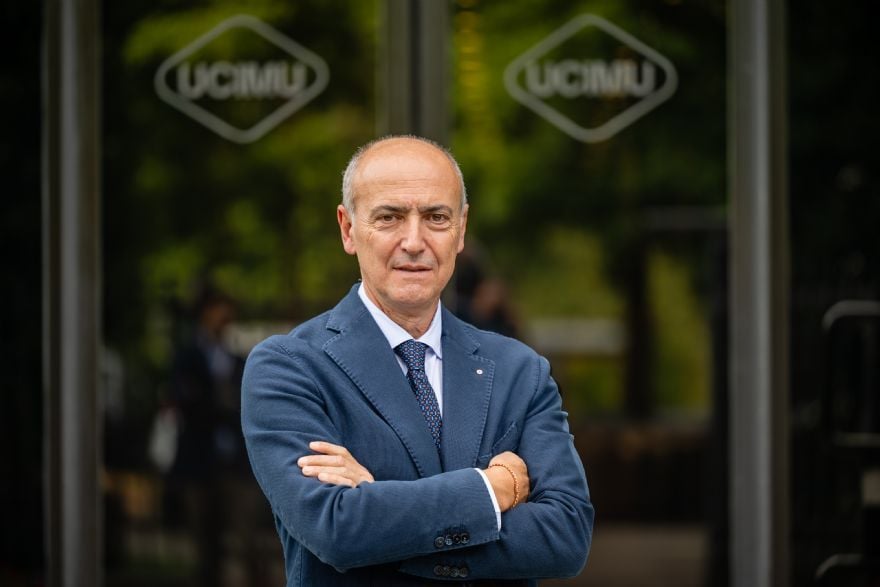
Despite the positive figures, Ucimu President Riccardo Rosa cautioned that underlying challenges persist.
“This latest measurement of the UCIMU index confirms the positive trend in order intake that Italian machine tool manufacturers have been experiencing for four consecutive quarters. However, concerns remain because the context conditions are worsening as the months go by,” he said. “When considering the absolute indexes, the weakness of demand — especially domestically — is still evident.”
Impact of US Tariffs Fuelling Uncertainty
Mr Rosa highlighted ongoing uncertainty surrounding US tariffs on EU goods as a key factor dampening investment in production technologies. Although an agreement was reached on 27 July to impose a 15% tariff on EU goods — instead of the previously threatened 30% — the uncertainty leading up to this decision has had ripple effects across multiple industries, including automotive, mechanical engineering, and component manufacturing.
“This situation impacts all the supply chains in which we are present, in all those markets that export goods to the other side of the ocean,” Rosa explained.
He further urged the Italian government to advocate within European forums for a balanced approach to the automotive sector’s environmental transition. “We are not against new forms of mobility, but this transition must respect technological neutrality, allowing enterprises to choose the best technologies to meet emission targets,” he said.
Rosa concluded by emphasising the need to assess sustainability not only from an environmental perspective but also considering the economic and social consequences of the transition process.