
Indian Auto Industry Outlines Roadmap for Global Leadership in Sustainable Mobility by 2047!
By Ashutosh Arora
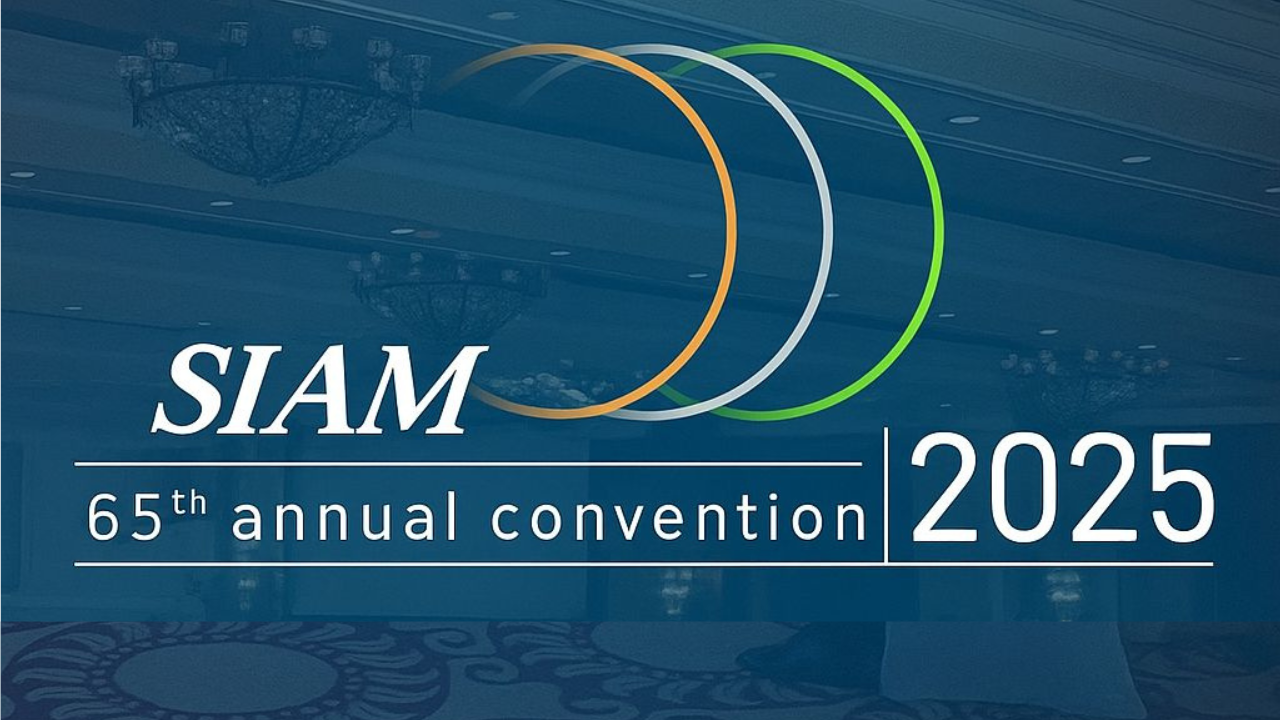
The Indian automobile industry, one of the largest in the world, is accelerating its journey toward becoming a global leader in sustainable mobility. At the 65th Annual Convention of the Society of Indian Automobile Manufacturers (SIAM), a Special Plenary Session titled “Key Enablers Driving Global Leadership in Sustainable Mobility” brought together senior policymakers, industry veterans, and thought leaders to chart a forward-looking strategy for the sector. The session focused on the critical enablers—policy frameworks, technology, innovation, and partnerships—that will drive India’s emergence as a clean and advanced mobility hub by 2047.
Delivering the keynote, Tarun Kapoor, Adviser to the Hon’ble Prime Minister, emphasized the automobile sector’s central role in India’s economic growth and global competitiveness. He called for stronger collaboration between the industry and government through the Anusandhan National Research Foundation, encouraging joint efforts in research and innovation. Kapoor highlighted the need for wider adoption of biofuels, gaseous fuels, and electric mobility, while underlining compressed bio-gas (CBG) as a significant untapped opportunity that could redefine India’s fuel mix and reduce dependence on imports.
Adding to this perspective, Dr Hanif Qureshi, Additional Secretary, Ministry of Heavy Industries, outlined the government’s efforts since 2015 to boost sustainable mobility. He noted that India has already installed over 8,900 EV chargers and deployed nearly 10,900 electric buses, a milestone that demonstrates growing EV adoption across cities. Qureshi stressed the importance of fresh investments in electric heavy vehicles, such as trucks and buses, to accelerate the transition toward cleaner freight and passenger transport.
Prominent industry leaders also shared their vision for India’s mobility future:
- Dr Pawan Goenka highlighted the importance of exports and R\&D investments, stressing that India must strengthen its presence in global markets through innovation-led growth.
- Shenu Agarwal emphasized localisation and value chain development, ensuring that advanced mobility solutions are manufactured in India at scale.
- Unsoo Kim pointed to the integration of renewable energy into manufacturing and mobility infrastructure as a critical enabler for sustainability.
- KN Radhakrishnan underlined that collaboration across OEMs, suppliers, and policymakers will be vital for creating a robust ecosystem that supports both domestic demand and international expansion.
The discussions reflected a strong consensus: India’s automotive ecosystem—spanning passenger cars, commercial vehicles, two- and three-wheelers, EVs, hybrids, and hydrogen technologies—has the scale, talent, and ambition to achieve global leadership in sustainable mobility. The sector’s transformation will not only enhance quality of life through reduced emissions and cleaner air but also strengthen energy security, technological self-reliance, and economic resilience.
The session concluded with optimism that, through innovation, policy alignment, and collaborative action, India can position itself as a frontrunner in sustainable mobility by 2047. With the combined efforts of government, industry, and academia, the auto sector is poised to deliver solutions that are not only greener but also globally competitive—turning India into a true hub for advanced, sustainable mobility solutions.