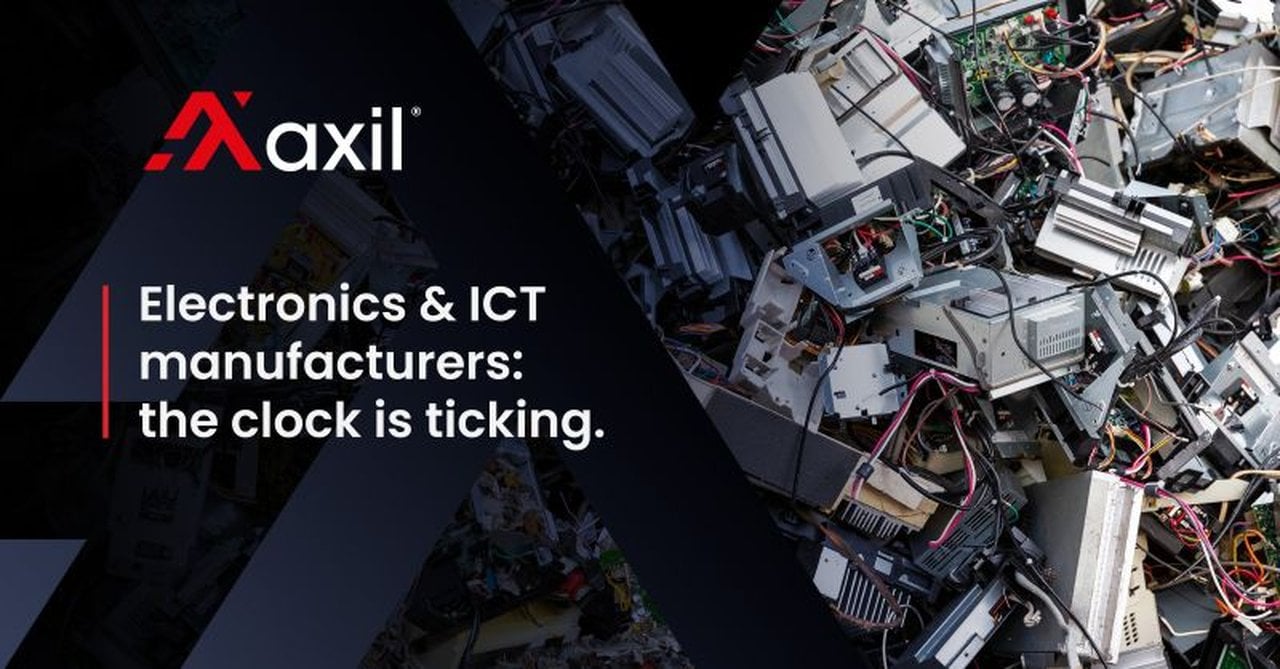

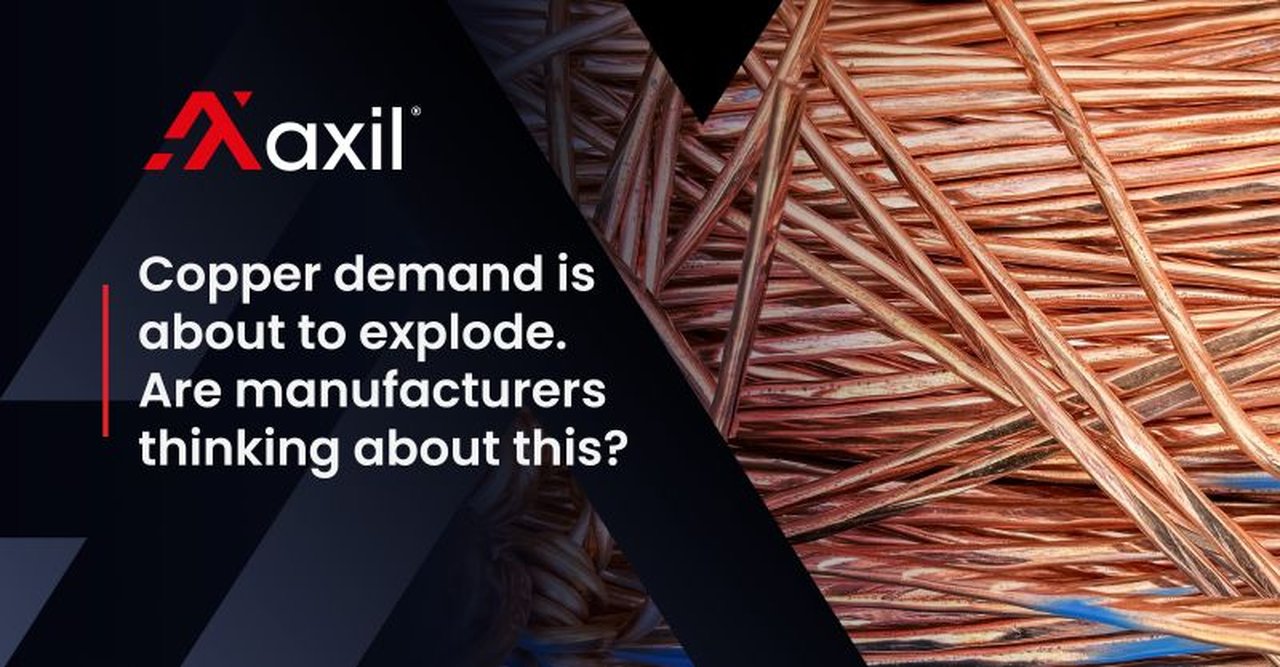
The demand for copper is set to rise dramatically, posing significant challenges for manufacturers worldwide. By 2040, the need for copper will surpass the total amount mined over the past 10,000 years. Current estimates suggest only 750 million tonnes remain economically viable, raising concerns about a potential shortage.
Copper’s growing importance is linked to several rapidly expanding industries. Data centres, which are already increasing their copper usage, could account for 14% of global electricity consumption by 2030. Electric vehicles are another major consumer, using four times more copper than traditional cars, with demand set to double by 2035. The renewable energy sector and infrastructure projects, particularly in countries like China and India, are also driving copper consumption to new heights.
However, the outlook for copper supply is bleak, with a projected deficit of 10 million tonnes by 2040. This shortfall underscores the urgent need for alternative solutions to meet industry demands.
Copper recycling emerges as a critical opportunity in this context. While companies like Axil are not involved in mining, they are exploring advanced methods to recover and trade nonferrous metals. This approach could offer a more sustainable way to address the impending copper scarcity.
Manufacturers, commercial teams, and those in recycling and operations are encouraged to consider these developments in their strategic planning. The growing importance of copper recycling may not only alleviate future supply issues but also align with broader sustainability goals.
For further insights, interested parties are invited to explore additional resources.
View more news from Axil