
🔊A Solid Ally
0:00 / 0:00
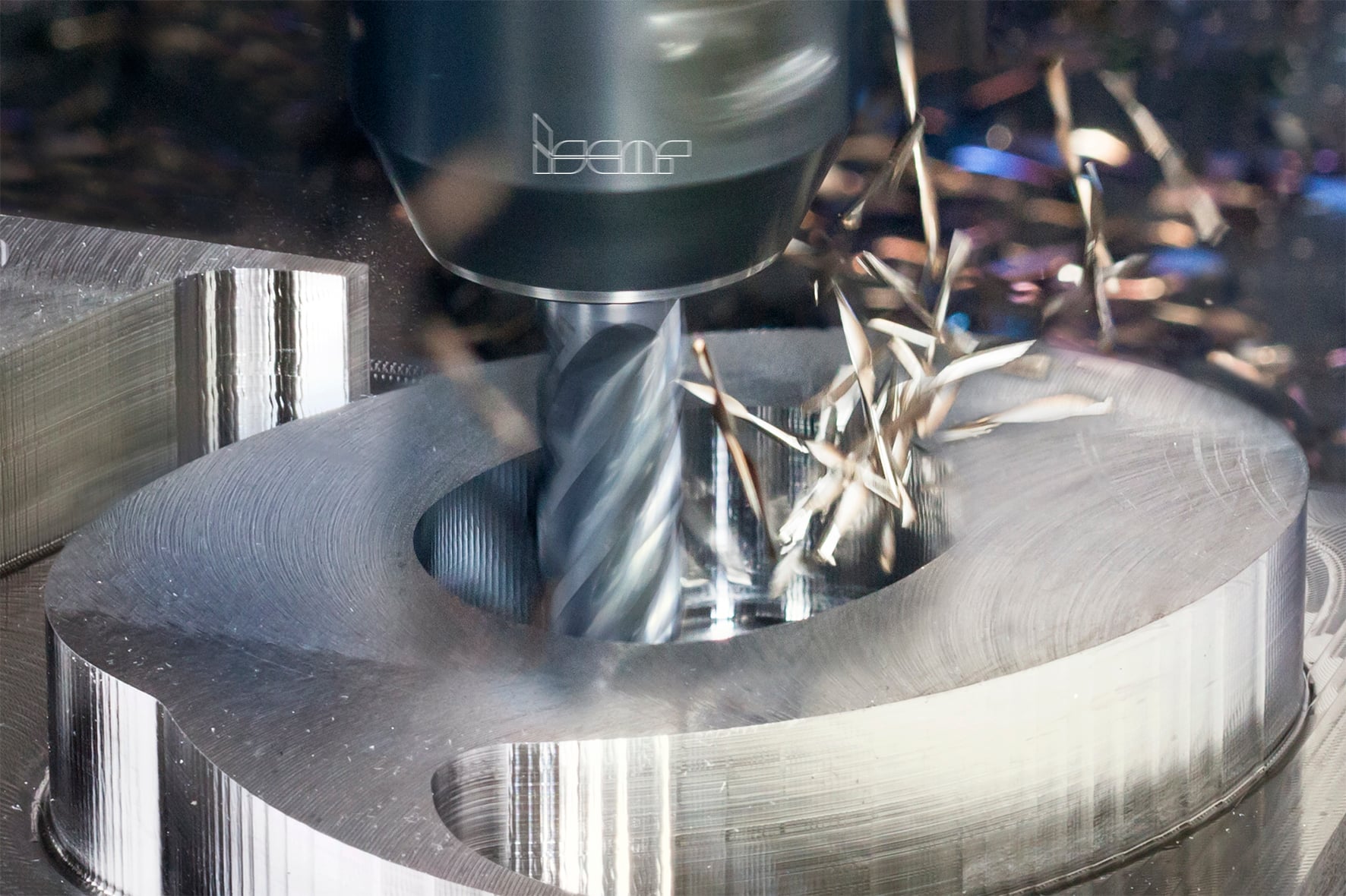
Since the late 1990s, solid carbide endmills (SCEM) have become one of the focal points in the metalworking industry. Several factors contribute to this prominence. Firstly, compared to indexable milling cutters, solid carbide endmills offer distinct advantages: greater precision, suitability for small-diameter operations, and better balanced tool structures. Additionally, SCEM outperforms its High-Speed Steel (HSS) counterparts, as the harder carbide material provides higher wear resistance.
Understandably, the known advantages alone were not sufficient to explain the rapid growth of SCEM (Fig.1)that began in the 1990s. The advancements in CNC machining technology and the growing interest in high-speed machining (HSM) methods highlighted the need for tools that are suitable for high cutting speeds, and solid carbide endmills perfectly meet these demands.
The quantum leap in CNC tool grinding machines and CAD/CAM systems played a crucial role in the major progress and growing popularity of SCEM during that period. This considerable leap forward was a key factor, a real game-changer, which gave rise to a significant breakthrough:
- The enhanced capabilities of CNC tool grinding machines enabled substantially increased accuracy and the production of solid tools with high-precision geometries.
- CAD/CAM systems enabled the design and manufacturing of endmills with complex geometries that were previously difficult to achieve.
- The integration of CAD/CAM systems with tool grinding CNC machines provided a powerful tool for endmill customisation in accordance with the specific requirements of the customer.
- The efficient tool grinding CNC technology diminished production times and reduced costs, making high-quality solid carbide endmills much more attractive and commercially viable.
Advanced tool grinding CNC machines and CAD/CAM systems also contributed to improved quality control, ensuring consistent tool parameters.In addition, advancements in materials science and powder metallurgy led to the development of advanced carbide substrates with smaller grain sizes, providing higher hardness and wear resistance. Combined with new progressive coatings, such as TiAlN, these substrates formed carbide grades featuring prolonged tool life, making them ideal for cutters intended for machining at high speeds and for machining hard materials.
Hence, SCEM have become essential tools for performing effective machining operations, now holding a significant portion of the milling cutter market. According to various estimates, solid carbide endmills account for approximately 50% of the market.
The successive expansion of CNC machining, the rise of HSM processes, and the decreasing machining stock due to ‘near net shape’. Additionally, there are advances in carbide materials and coating technologies. There are also trends in SCEM development that present appropriate challenges to the tool manufacturer. These trends include:
- In carbide grades, the increased usage of submicron carbides and wear-resistant coatings like TiAlN, AlTiN, diamond coating, and others is prevalent.
- In tool shapes and cutting geometries, more complicated and ‘intelligent’ designs are becoming common. Unequal angular pitch, variable helix, and chip-splitting cutting edges are frequently utilised.
- In high-efficiency machining, there is a distinct emphasis on SCEM optimised for HSM and high-feed milling (HFM).
- In tool accuracy, the metalworking industry demands increasingly precise and balanced tools to maintain strict machining tolerances and enable stable operations.
- Customised solutions – to meet specific application requirements, tool manufacturers are developing specially tailored products comprising unique carbide grades and geometries.
- Multifunctionality – there is a growing demand for multi-functional SCEM that combines various cutting functions such as milling, drilling, chamfering, and more.
- Digitising – the impact of Industry 4.0 highlights the importance of digital tool companions, which include available digital twins, 3D models and 2D drawings, easy access to specified cutting data and tool life estimation.
When examining two carbide endmills of similar dimensions, it is challenging to identify visible differences. Even using a magnifying glass or microscope may not always help. However, these cutters can exhibit significantly different performance indicators, making the differences quite evident.
Even a quick glance at ISCAR’s SCEM range reveals an interesting trend in products from an application perspective. In the past, the emphasis was on an all-purpose design concept that allowed endmills to be used across a broad spectrum. However, new developments are focused on the solutions for specific material groups.
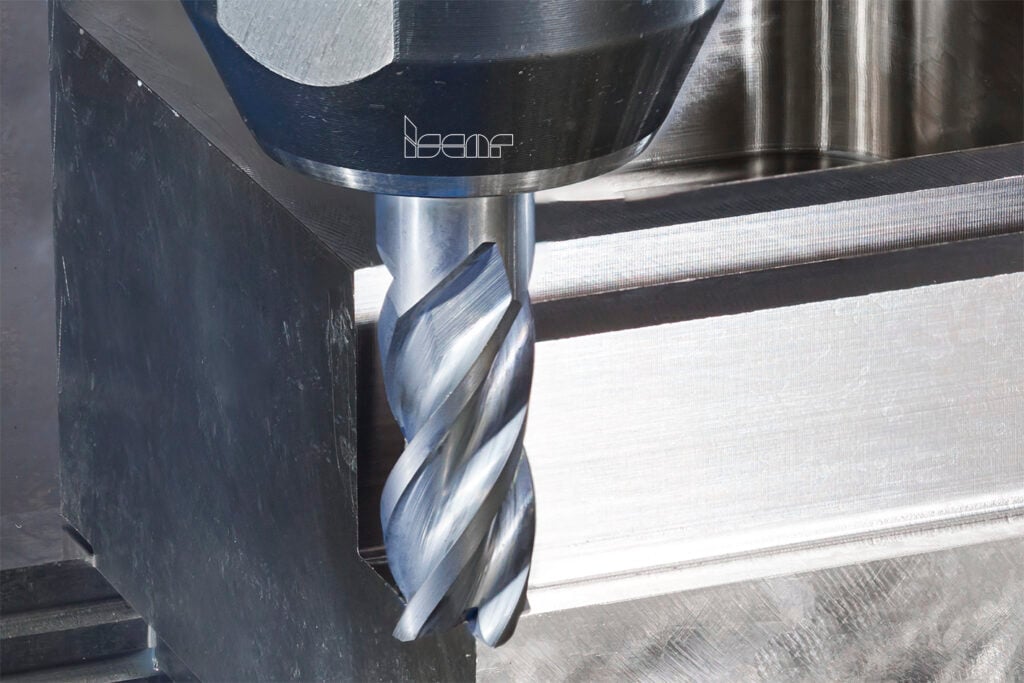
For instance, the Ti-TURBO endmill family has been purposefully designed for machining titanium alloys. This family includes precision-engineered geometries, featuring a four-flute design for various operations (Fig. 2), such as milling slots up to two-tool-diameter depth in solid material. Additionally, it offers seven- and eight-flute designs for HSM using the trochoidal technique. The Ti-TURBO concept uses different flute helix angles and variable pitch to enhance dynamic rigidity and improve chatter dampening when milling titanium alloys like ‘triple 5’ (Ti-5-5-5-3), at high metal removal rates (MRR).
Chatter-free designs based on the concepts of variable helix, unequal tooth pitch, and their combination characterise various ISCAR solid carbide endmills. These designs ensure high machining stability and allow for producing tools with enlarged cutting lengths. In recent years, the portfolio of chatter-free SCEM has been expanded with new products offering a great choice of corner radii, increased cutting lengths, a central coolant hole for easy chip evacuation, and chip-splitting geometries to divide wide chips into small segments.
Another example is the EC-A2-T – a series of miniature, two-flute endmills in the diameter range of 0.3 to 4mm, designed for high-speed machining of primarily pre-hardened and hardened steel (Fig. 3). These tools have recently been upgraded with IC602 – a high-hardness submicron carbide grade with an AlTiSiN PVD coating for milling steel with hardness up to HRc65.
For cutting aluminium and non-ferrous materials (ISO N group of applications), ISCAR offers a newly introduced three-flute SCEM made from IC1508 – a submicron carbide grade with a diamond-like carbon (DLC) coating.
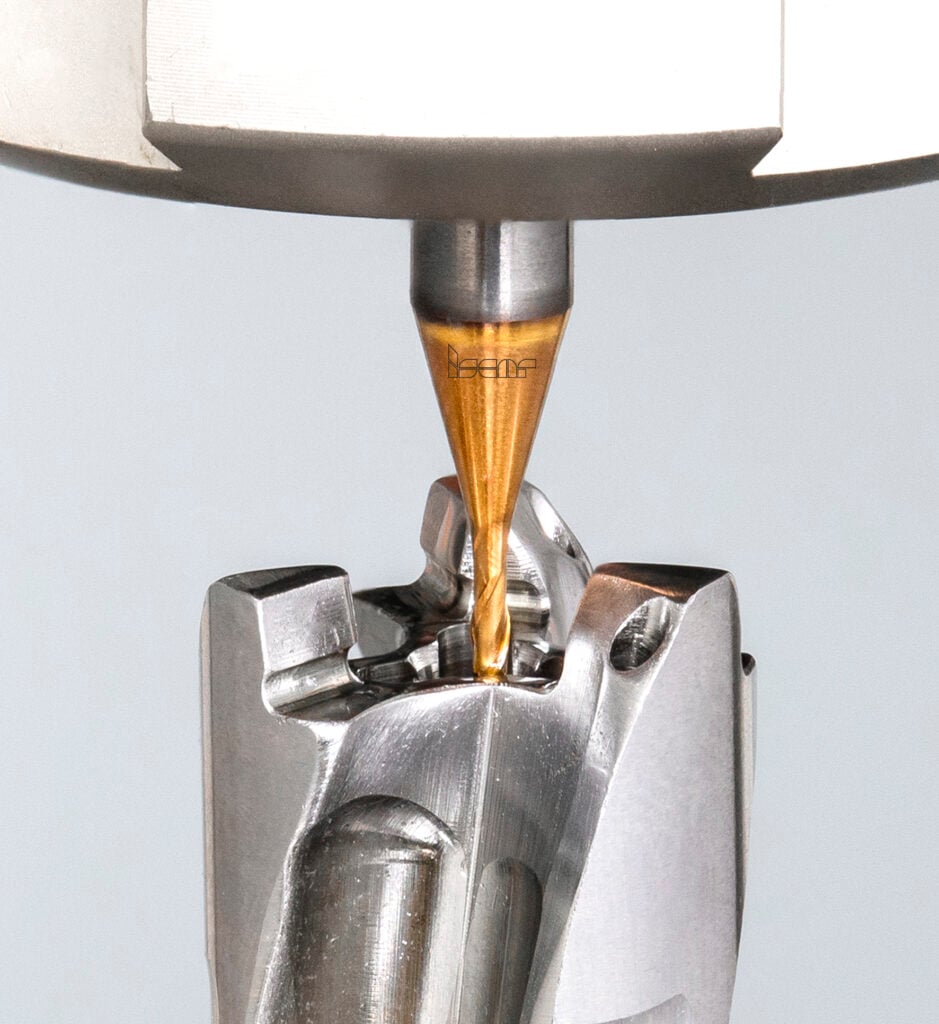
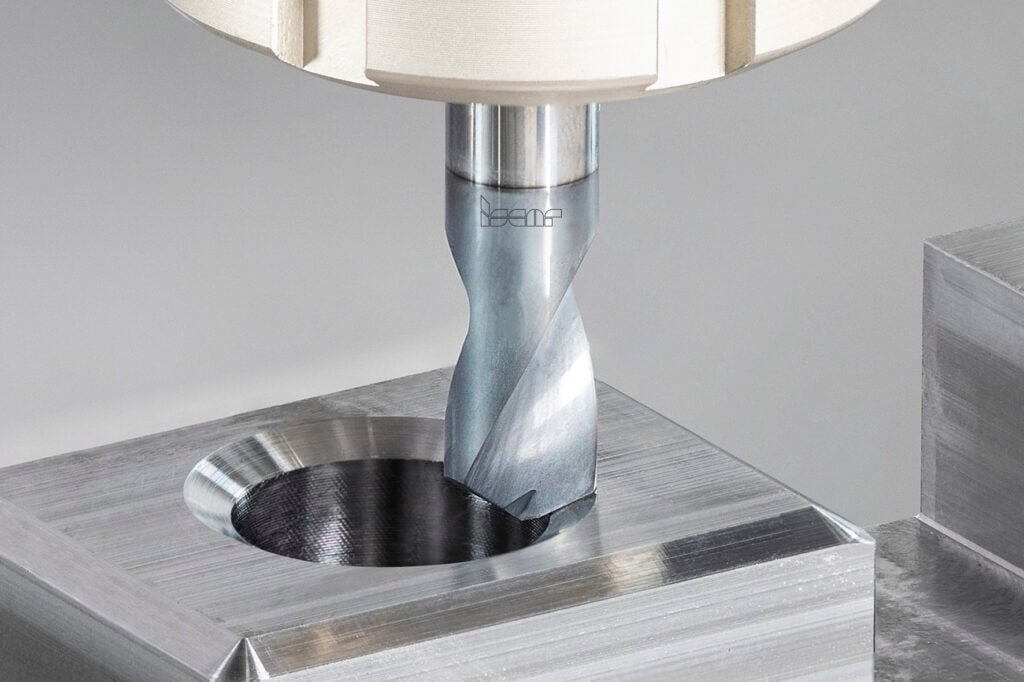
The multi-functional ECD-S2 solid carbide tools combine spot drilling and chamfer milling capabilities. In addition to the existing tools with a cutting tool angle of 45°, ISCAR has introduced tools with cutting edge angles of 30° and 60° to meet customer demands. These versatile tools find their use in almost every machine shop (Fig. 4).
New products also feature the SOLID-FEED-MILL family of multi-flute SCEM for high-feed milling. Their design minimises the radial component of cutting force to decrease the bending load and enable machining at high feed rates.
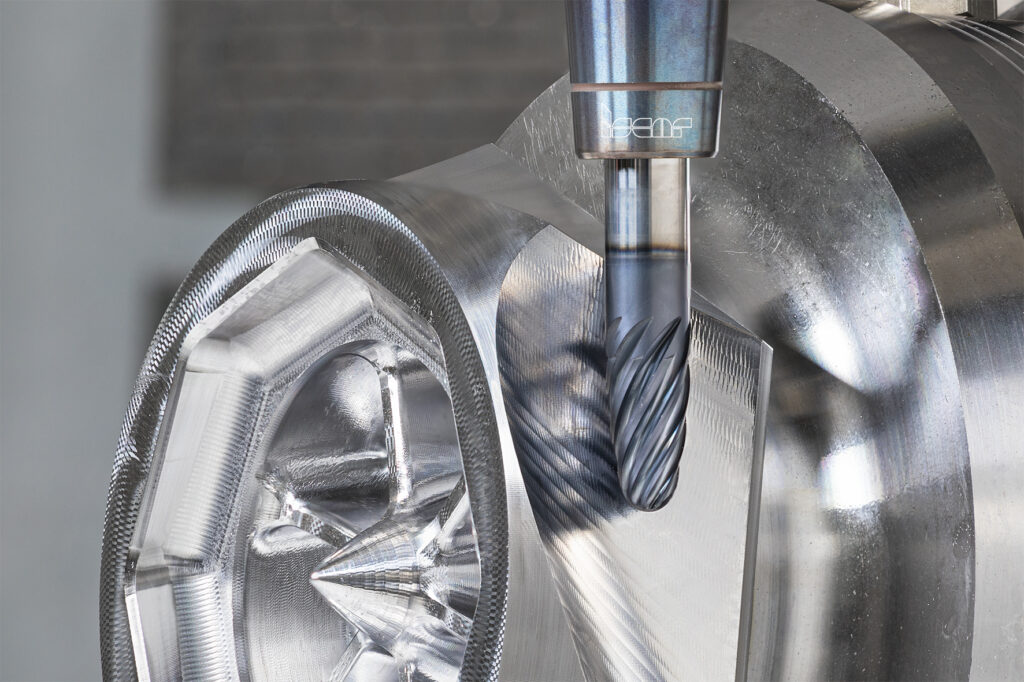
The recently unveiled NEOBARREL oval-shaped solid carbide endmills (Fig. 5) are intended for 5-axis machining of complex 3D surfaces. These tools ensure precise and productive cutting of complicated profiles.
In recent years, ISCAR has substantially expanded its digital tool component, which is based on the ISO 13399 standard. This component includes various options, such as 3D and 2D tool representations for computer modelling, CNC programming, and process planning. It also generates a STEP file for data exchange and offers enhanced functions for virtual assembly and tool search. Additionally, it provides the capability to select the optimal tool solution for specific applications, among other features.
In the ISCAR electronic catalogue (e-catalogue), the tool search functions, including the SCEM selection, have been considerably extended. The new customer-oriented search options allow for finding a more suitable solid carbide endmill according to the type of machined material, adaptation, dimensions, cutting material grade, characteristic features such as the number of flutes, and other key parameters that make endmill selection easier and more effective.
The examples shown of new ISCAR products in the field of solid carbide endmills are good illustrations of the company’s response to the latest development trends in terms of performance, application range, accuracy, and reliability.