

Motherson Accelerates Green Energy Transition with 15 MW Solar Power Project in Uttar Pradesh!
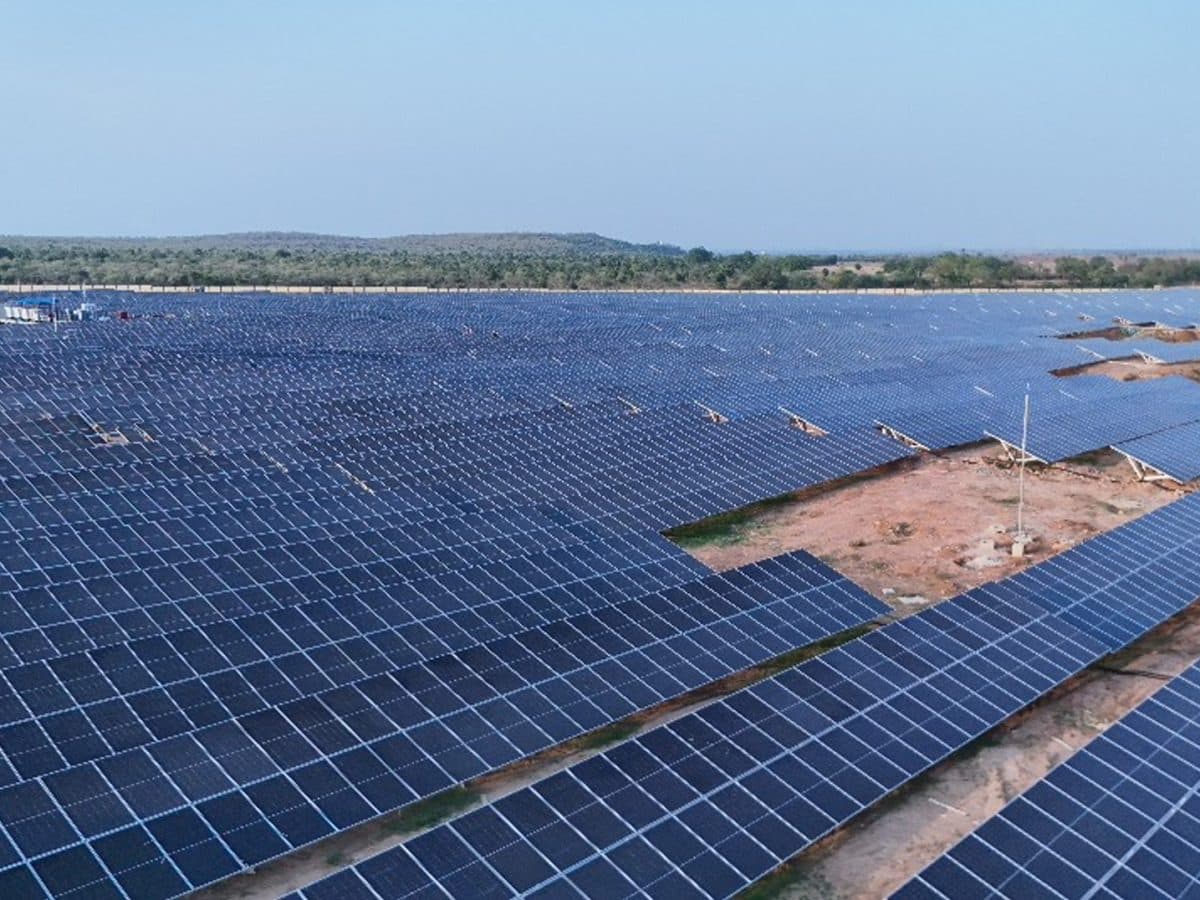
Samvardhana Motherson International Ltd (SMIL) has taken a significant step toward strengthening its sustainability agenda with the commissioning of its first ground-mounted captive solar power project in Uttar Pradesh. Developed through its renewable energy arm, Motherson New Energy Ltd (MNEL), the 15 MWp solar facility marks an important milestone in the Group’s journey toward cleaner operations, enhanced energy security, and long-term environmental responsibility.
The project, developed by Onega Solar Private Ltd in collaboration with renewable energy specialist ib vogt, is expected to generate approximately 23.4 GWh of clean electricity annually. By replacing conventional power sources with renewable energy, the facility is projected to reduce carbon dioxide emissions by nearly 17,000 metric tonnes every year, contributing significantly to Motherson’s decarbonisation objectives and broader sustainability commitments.
As global manufacturing companies face increasing pressure to reduce carbon emissions and improve environmental performance, renewable energy has become a critical component of long-term business strategy. For Motherson, one of the world’s leading automotive component manufacturers, the new solar project represents more than just a clean energy investment—it is a strategic initiative aimed at enhancing operational resilience, reducing energy-related risks, and supporting future growth.
The solar installation has been designed as a captive power project, allowing Motherson to directly utilize the renewable electricity generated for its operations. This approach provides greater control over energy costs while ensuring a reliable source of clean power for manufacturing activities. The project also aligns with the growing demand from global customers and automotive OEMs for more sustainable supply chains and lower-carbon manufacturing processes.
The development was supported by ib vogt, a globally recognized renewable energy company that played a key role in land acquisition, project planning, and execution. The collaboration highlights the increasing importance of partnerships between industrial manufacturers and renewable energy specialists in accelerating the transition to sustainable operations.
Commenting on the achievement, Laksh Vaaman Sehgal, Vice Chairman of Motherson Group, emphasized that sustainability remains deeply integrated into the company’s long-term business philosophy. He noted that the commissioning of the Uttar Pradesh solar project represents an important milestone in strengthening Motherson’s energy resilience while reducing its environmental footprint.
According to Sehgal, the initiative reflects the Group’s commitment to building future-ready operations through responsible growth, ensuring that sustainability considerations remain central to value creation and business expansion strategies.
The project also underscores the growing role of renewable energy in enhancing industrial competitiveness. As energy costs continue to fluctuate globally, access to reliable and competitively priced clean power has become increasingly important for manufacturing organizations seeking to maintain operational efficiency and long-term profitability.
Kunal Vohra, Chief Operating Officer of the Energy Business at Motherson Group, highlighted the strategic significance of renewable energy in supporting industrial operations. He stated that dependable access to renewable power is becoming a critical factor for global manufacturers, particularly as industries pursue both sustainability targets and cost optimization.
Vohra explained that the new solar facility establishes a strong foundation for expanding Motherson’s renewable energy portfolio while supporting operational resilience, sustainability objectives, and long-term energy competitiveness. The project is expected to serve as a blueprint for future renewable energy initiatives across the Group’s operations.
Industry experts view captive renewable energy projects as an effective way for manufacturers to manage energy costs while meeting environmental commitments. Such projects not only reduce dependence on conventional grid power but also help companies achieve sustainability targets and comply with evolving environmental regulations.
Parish Gupta, CEO and Managing Director of ib vogt Solar India, described the project as a significant example of industrial decarbonisation through commercially viable renewable energy solutions. He emphasized that the collaboration reflects a shared commitment to accelerating India’s clean energy transition while supporting the sustainability goals of industrial enterprises.
Gupta further noted that partnerships of this nature demonstrate how renewable energy can deliver both environmental and economic benefits, helping companies reduce emissions while maintaining competitiveness in global markets.
The Uttar Pradesh solar project forms part of Motherson’s broader energy transition roadmap, which focuses on increasing the share of renewable energy across its operations. The initiative supports the company’s efforts to lower carbon intensity, diversify energy sources, and contribute to the decarbonisation goals of its customers and stakeholders.
As governments, investors, and customers place greater emphasis on sustainability, manufacturing companies are increasingly integrating renewable energy into their long-term business strategies. For Motherson, investments in clean energy not only support environmental objectives but also strengthen energy security and operational efficiency.
Looking ahead, Motherson New Energy Ltd is actively exploring additional renewable energy opportunities across multiple states in India. These future projects are expected to further expand the Group’s clean energy portfolio and reinforce its commitment to sustainable industrial development.
The commissioning of the 15 MW solar project represents a key milestone in Motherson’s sustainability journey and demonstrates how large industrial organizations can play an active role in advancing India’s renewable energy ambitions. By combining clean energy adoption with long-term operational planning, the company is positioning itself to meet future energy demands while contributing to a lower-carbon and more sustainable manufacturing ecosystem.