
03:04
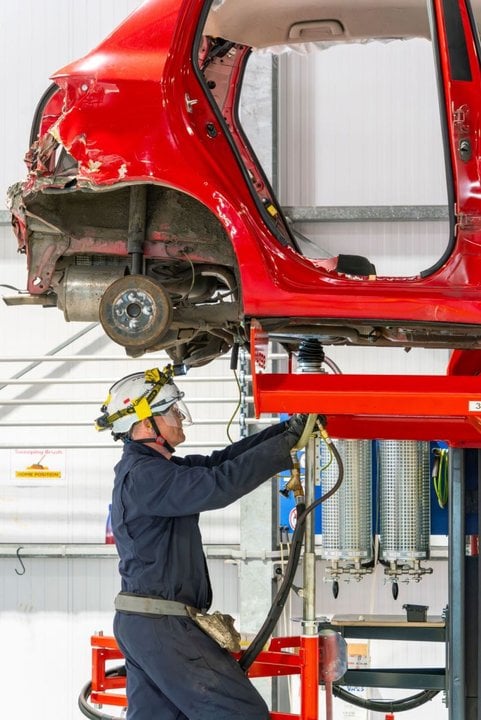
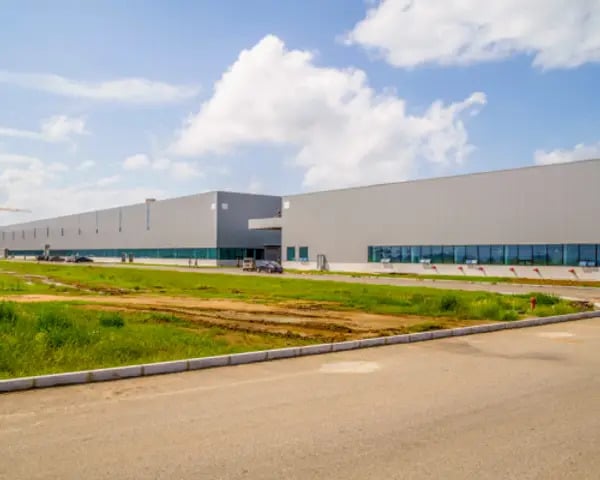
Toyota Motor Manufacturing in the UK has propelled its Burnaston plant in Derbyshire into the spotlight by surpassing five million cars produced since its inception in 1992. Less well-known but equally significant is Burnaston’s role as the home of Toyota’s first Circular Factory. This initiative focuses on recycling and repurposing materials as part of a sustainable manufacturing cycle.
At this site, aluminium from old alloy wheels is recovered, processed, and then sent to Toyota’s Deeside plant. Here, it becomes part of the engine components that return to Burnaston to be installed in the new Toyota Corolla vehicles. This closed-loop process debuted with the first vehicle coming off the assembly line last week, marking a milestone in Toyota’s commitment to sustainability.
The Circular Factory concept leverages the Toyota Production System to maximize resource efficiency, not just from end-of-life vehicles but throughout the lifecycle of the manufactured vehicles. It aligns with new European regulations pushing for improved recycling and material recovery in the automotive industry.
By establishing this model in the UK, Toyota benefits from the region’s established dismantling and recycling sectors. The UK remains one of Europe’s largest markets for end-of-life vehicles and is among the few right-hand drive nations in Europe, resulting in most vehicles remaining in the country for their entire lifecycle.
Burnaston’s legacy as Europe’s first Toyota plant to produce hybrid vehicles provides a solid foundation of expertise and technical acumen necessary for this groundbreaking initiative.
View more news from Stuart Whitehead
Opt in today to our newsletter