03:35
By Ashutosh Arora
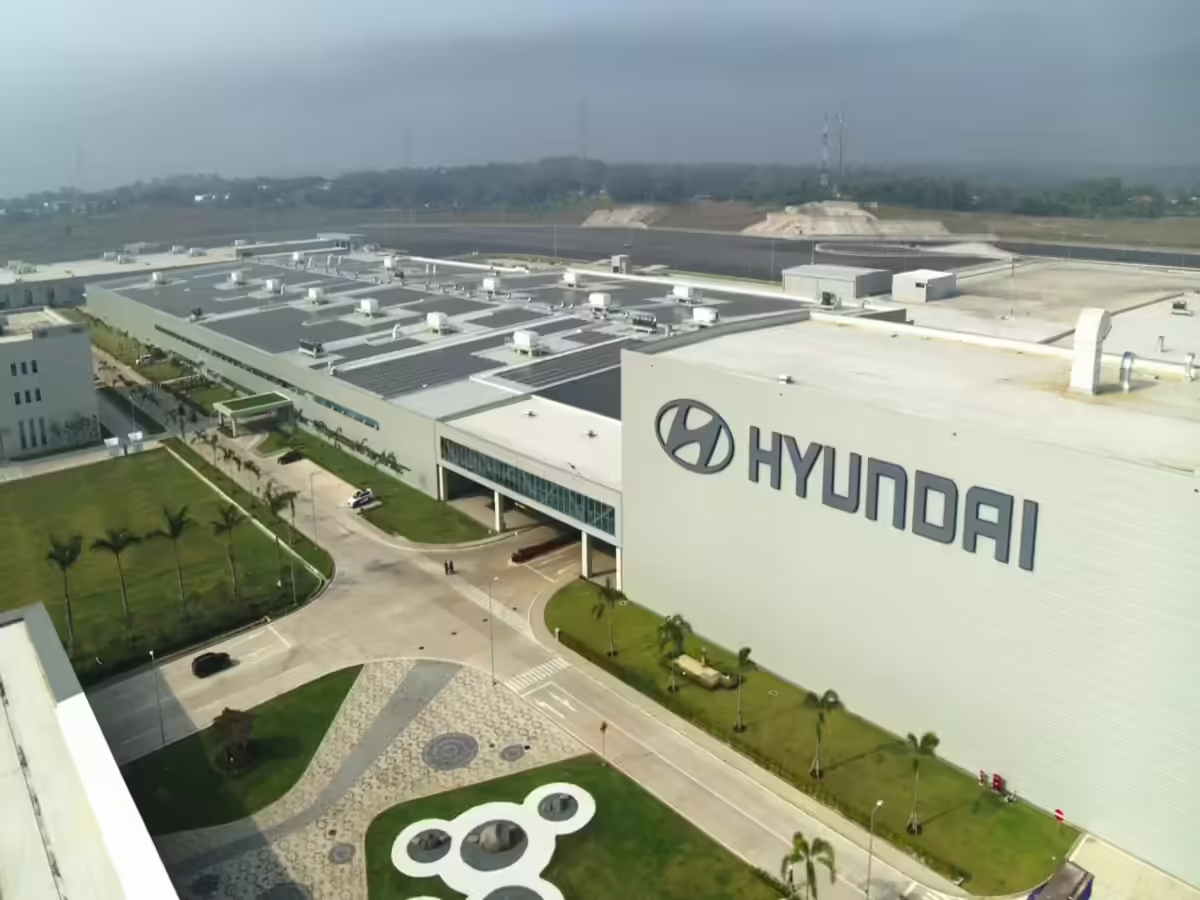
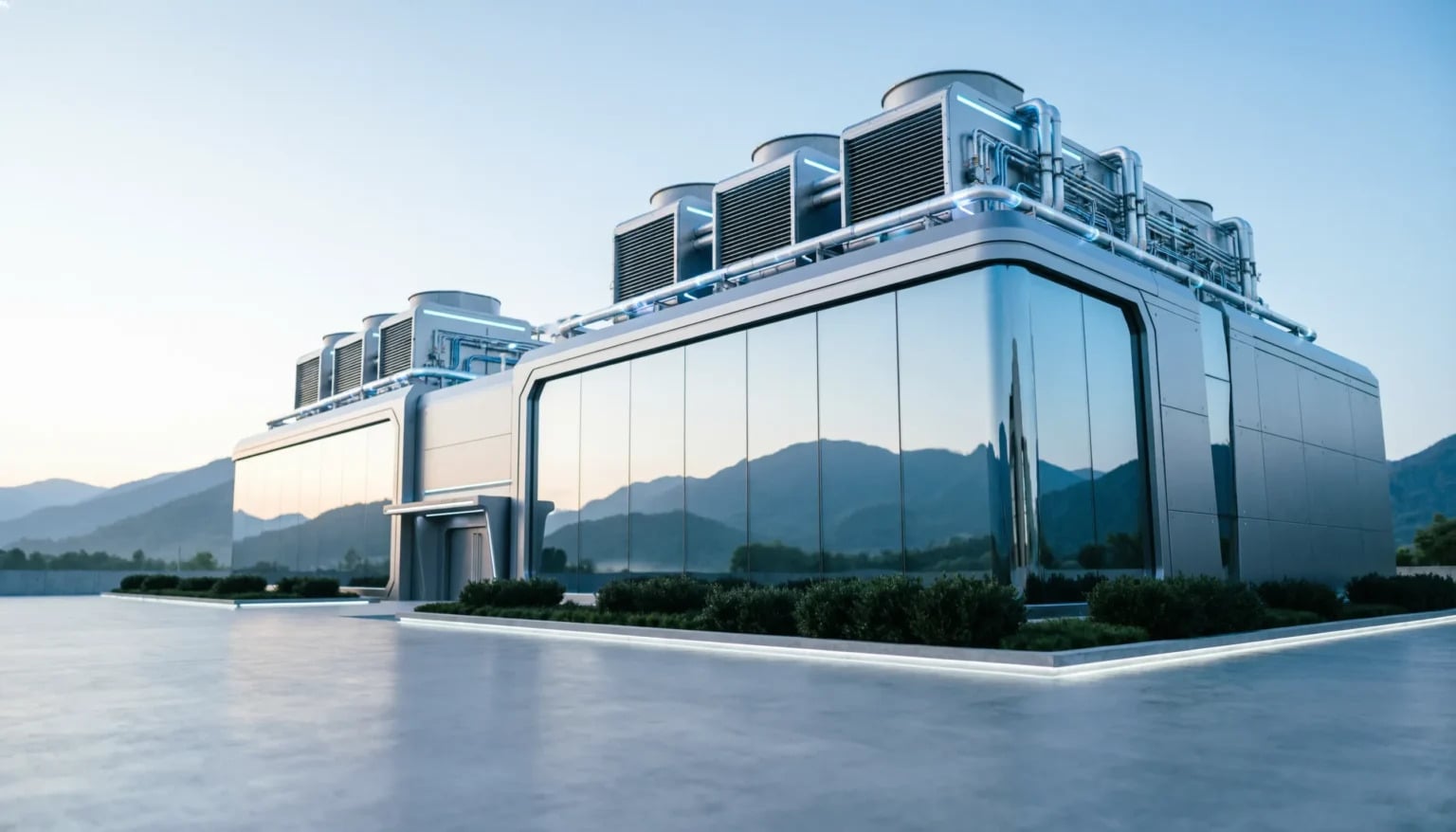
In a decisive step toward a carbon-neutral future, Hyundai Motor Company has officially begun construction of a large-scale hydrogen fuel-cell production facility in Ulsan, South Korea. The project, which represents an investment of KRW 930 billion (approximately USD 670 million), marks one of Hyundai’s most significant commitments yet to advancing hydrogen-based mobility and clean manufacturing technologies. Scheduled for completion by 2027, the plant will occupy nearly 43,000 square meters of land that once served as a transmission plant for internal combustion engines—symbolising Hyundai’s strategic transition from conventional propulsion to next-generation sustainable power.
The groundbreaking ceremony drew participation from key figures across government and industry, including Jaehoon Chang, Vice Chair of Hyundai Motor Group; Sungwhan Kim, Minister of Climate, Energy and Environment; Shinhak Moon, Vice Minister of Trade, Industry and Resources; and Doo-gyeom Kim, Mayor of Ulsan. Their attendance underscored the alignment between government policy and industrial innovation in South Korea’s ambitious hydrogen roadmap.
Once operational, the new Ulsan facility will be capable of producing up to 30,000 hydrogen fuel-cell units annually. It will also house South Korea’s first domestic production line for polymer-electrolyte-membrane (PEM) electrolysers, a core technology for generating high-purity hydrogen through water electrolysis. Hyundai aims to further improve the durability, performance, and cost competitiveness of fuel-cell systems—building on nearly three decades of expertise in hydrogen technologies. The company has already achieved around 90 percent localisation of electrolyser components and demonstrated a 1 MW containerised hydrogen production system capable of generating 300 kilograms of high-purity hydrogen per day.
The new plant will integrate advanced manufacturing capabilities, including robotics, data-driven monitoring systems, and safety automation, to ensure both high efficiency and worker safety. The hydrogen fuel-cell systems produced at this site will serve a broad range of applications, extending beyond passenger vehicles to include commercial trucks, buses, marine vessels, and heavy equipment. This wide application base reinforces Hyundai’s long-term vision of creating a complete hydrogen value chain—from production and storage to transport and utilisation—thereby positioning the company as a global leader in clean mobility.
From a manufacturing and industrial perspective, Hyundai’s Ulsan facility represents more than just a factory—it’s a strategic anchor for the global hydrogen economy. By creating localised production capacity and accelerating innovation in electrolyser and fuel-cell technologies, the company is paving the way for scalable, cost-efficient hydrogen adoption worldwide.
For suppliers, technology partners, and component manufacturers, this initiative also opens new collaboration opportunities within the hydrogen ecosystem, particularly in areas such as fuel-cell stacks, hydrogen storage systems, and infrastructure development.
As the world’s automotive giants shift focus toward sustainable propulsion, Hyundai’s new hydrogen facility stands as a model for industrial transformation. For emerging markets like India, where hydrogen manufacturing and fuel-cell mobility are still developing, this move sends a clear signal—it’s time to accelerate investments, strengthen R&D, and build robust supply-chain networks to participate in the rapidly expanding global hydrogen economy.
Opt in today to our newsletter