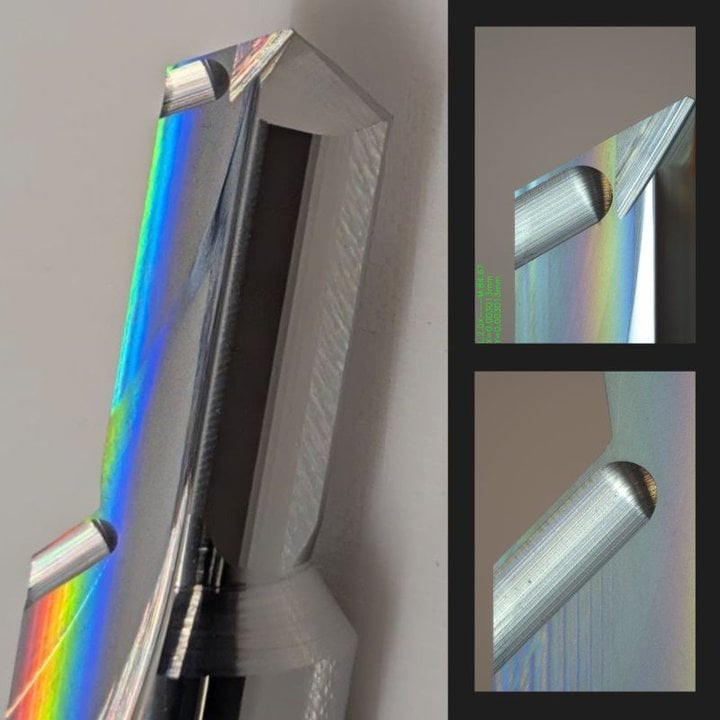

New EU regulations phasing out lead as an alloying element are compelling manufacturers to innovate in metalworking technologies. The exemptions that currently allow lead in free-cutting steel and copper and brass alloys are set to expire by 30 June 2027, intensifying the need for alternative solutions.
Lead has traditionally served as an “internal lubricant,” enabling effective chip breaking. Its absence poses a challenge to manufacturing, often resulting in long, continuous, and potentially hazardous chips that can disrupt production processes. To address this issue, manufacturers are turning to advanced chip breaker designs based on tool geometry.
These modern chip breakers function by mechanically bending and breaking chips in a controlled manner, which is crucial for maintaining stable and automated production lines. This innovation allows for uninterrupted operations and enhances process reliability without the need for lead.
Several manufacturing methods can be employed to incorporate chip breakers into carbide tools, each aiming to achieve precision and efficiency. The specific approach highlighted in our latest developments demonstrates the potential for reproducing exact geometries to optimise performance.
Manufacturers and engineers are invited to explore these advancements as they prepare for the impending regulatory changes. These innovations reflect the industry’s commitment to maintaining productivity and safety standards while adhering to new environmental guidelines.
VOLLMER WERKE Maschinenfabrik GmbH, a leader in tool grinding and manufacturing, continues to drive forward-thinking solutions in response to these industry shifts.
View more news from VOLLMER WERKE Maschinenfabrik GmbH