
Optimising Toolpath Accuracy with Model Types in Manufacturing
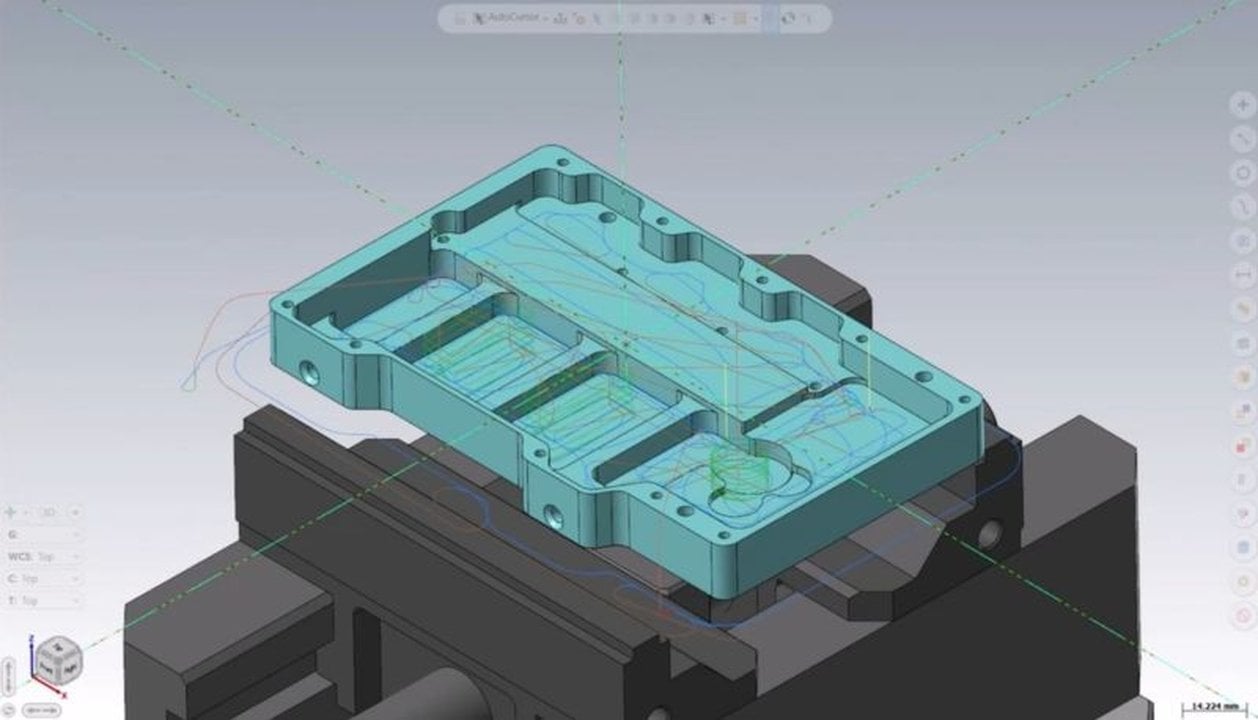
In the ever-evolving landscape of manufacturing, selecting the appropriate model type can significantly impact toolpath accuracy and workflow speed. Understanding when to utilise solids, surfaces, or meshes is paramount for programmers aiming to improve toolpaths and minimise rework.
The choice of model type plays a crucial role in shaping every aspect of the manufacturing process. Solids, surfaces, and meshes each have distinct benefits and applications, and knowing which to implement can lead to enhanced toolpath precision and efficient production cycles.
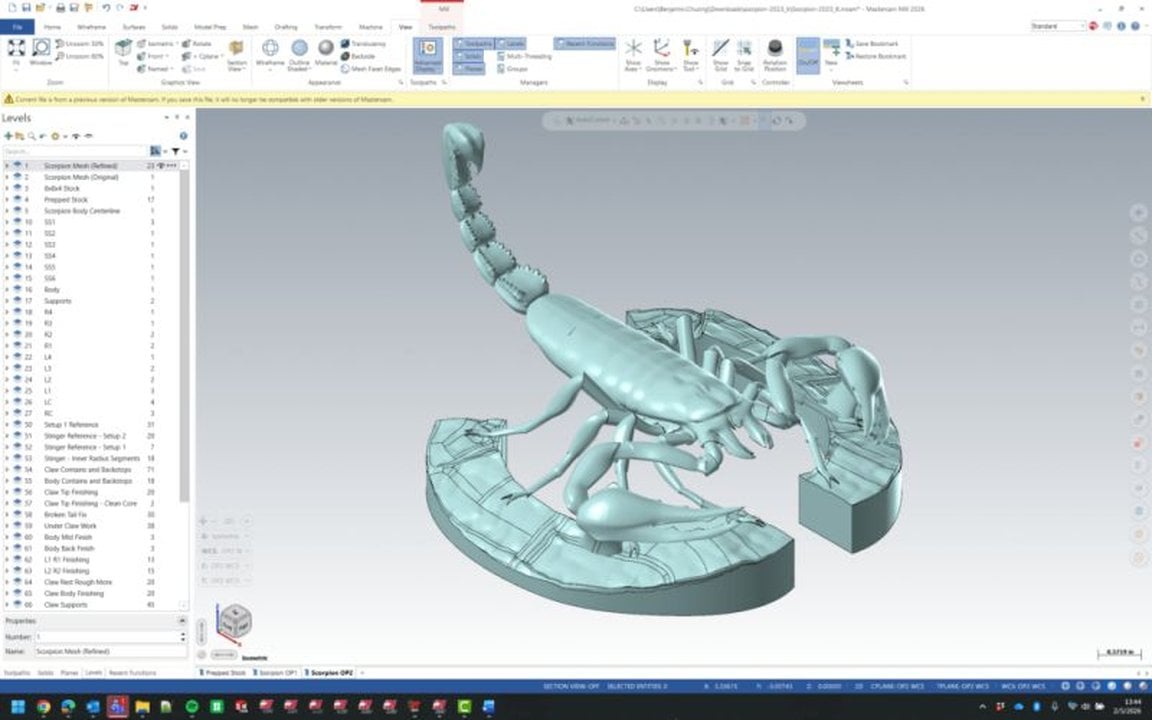
Solids often provide more predictable results and are favoured for their robustness in machine operations. They are particularly useful in applications requiring detailed and comprehensive data representation. Surfaces, on the other hand, offer flexibility and are typically employed in situations where intricate geometries and surface finish are priorities.
Meshes are beneficial in scenarios where speed is essential, and when working with non-standard shapes or importing models from different formats. By fully understanding each model type’s strengths, manufacturers can optimise their programming, reduce rework, and achieve superior results.
This focus on model types aligns with industry demands for precision and efficiency, providing a roadmap for companies seeking to enhance their manufacturing processes.
For further insights into how each model type can be effectively utilised within different workflows, industry professionals are encouraged to explore detailed analyses and case studies available through specialised platforms.
View more news from Mastercam