

The aerospace industry is witnessing significant advancements through the integration of additive manufacturing with traditional CNC machining. This innovative approach combines the strengths of both technologies, resulting in lighter parts, complex internal geometries, and faster production iterations.
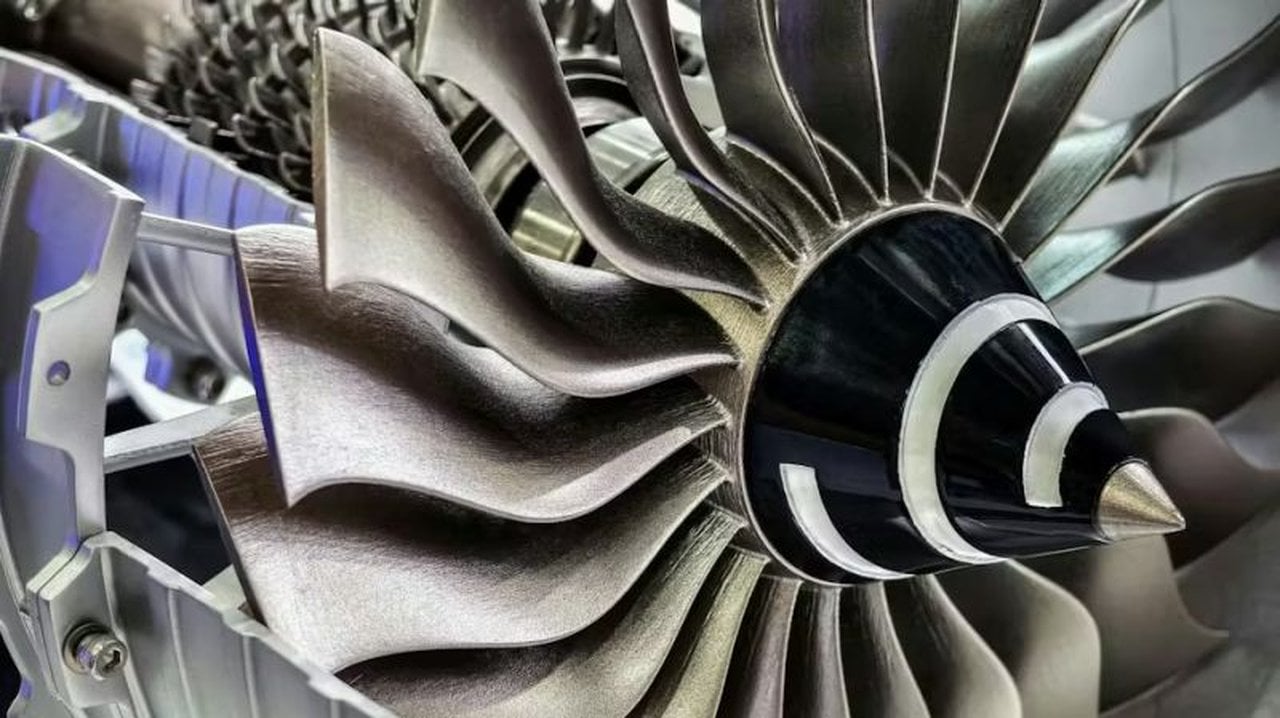
Additive manufacturing, also known as 3D printing, allows for the creation of intricate part designs that would be challenging or impossible with conventional methods. By harnessing this technology, aerospace teams can produce complex components that are lighter, contributing to more efficient aircraft performance.
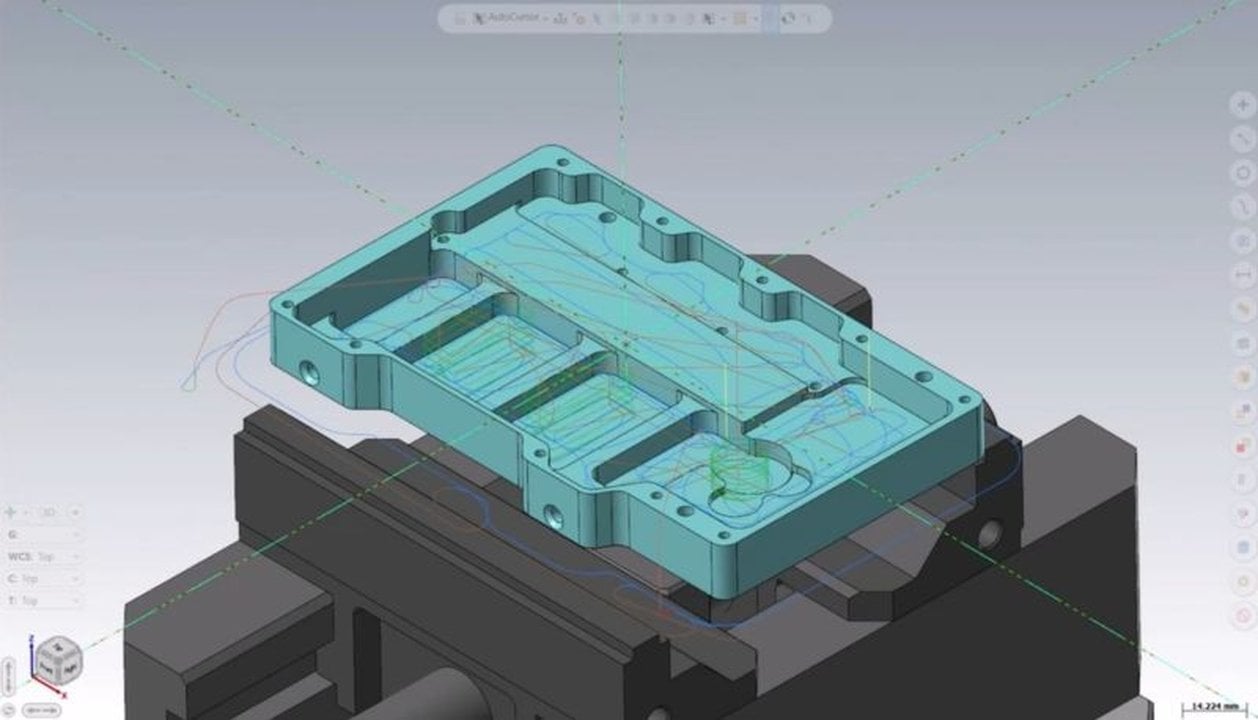
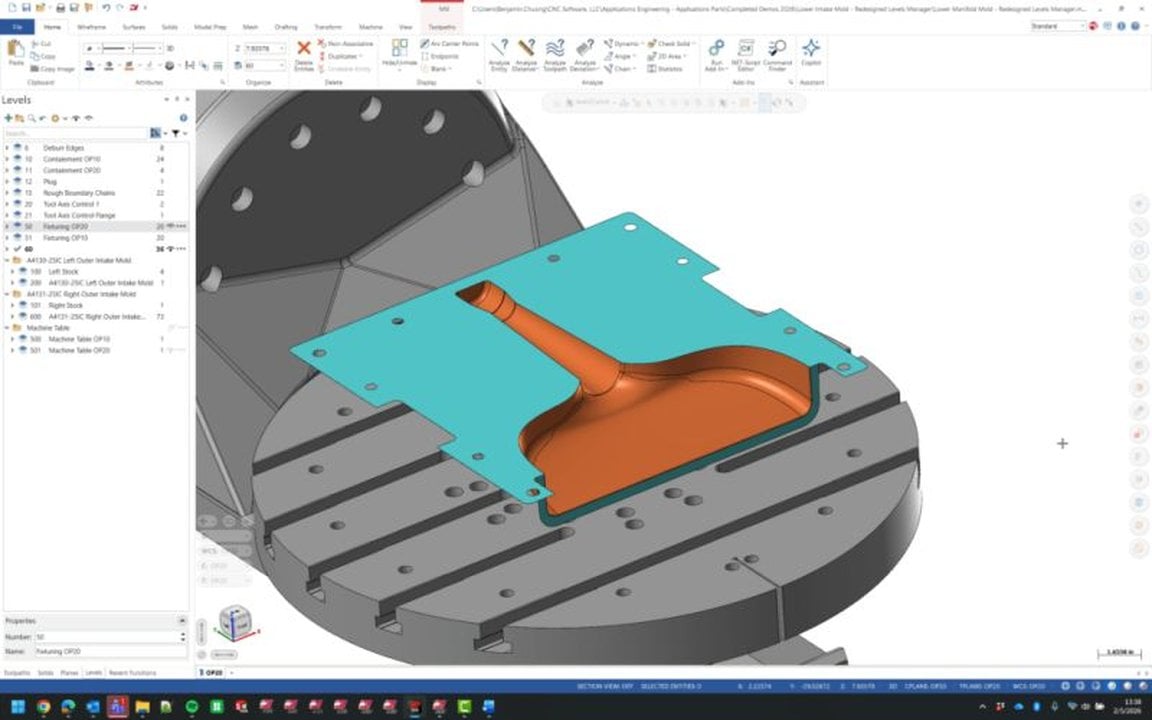
However, when it comes to producing parts destined for aircraft, CNC machining remains indispensable. It ensures that parts meet the stringent tolerances required for flight, making the components certifiable for aerospace use. This final machining step is crucial to ensure the precision needed to keep aircraft airborne safely and reliably.
The most effective manufacturing processes are those that seamlessly blend both additive manufacturing and CNC machining. The workflow begins with printing parts to achieve the desired complexity, followed by strengthening the material through Hot Isostatic Pressing (HIP). The final step involves CNC machining to polish and refine the parts, ensuring that they meet exacting aerospace standards.
This innovative process was discussed by Chad Chmura, a Global Applications Engineer at Mastercam, in a recent article published by Machine Design. Mastercam, a leader in CAD/CAM software solutions, continues to drive advancements in this hybrid manufacturing domain, supporting the aerospace industry’s demand for reliable and efficient production techniques.
View more news from Mastercam