

🔊Pressure builds to be future-fit to access bulging order books
0:00 / 0:00
Civil aerospace is in a long-term purple patch with fat order books and aircraft primes targeting ‘Rate 90’ build rates. But UK SMEs must get in shape, quickly, to keep a seat at the table and match growing overseas competition, says Will Stirling.
The figures in civil aerospace manufacturing are straightforward, with a 10-year backlog of aircraft orders totalling 16,216 aircraft. Boosted by the Dubai Air Show, total aircraft orders in November 2025 (the last month with audited data) reached 239 aircraft, an impressive 203% increase compared to the previous year and the highest for November since 2021. Deliveries were 20% higher than those in November 2024. The backlog of 16,000 aircraft could generate £270.5bn for the UK economy at current production levels, with potential for growth. Additionally, a boom in defence spending is set to further benefit many companies within the civil aerospace sector.
But the headline numbers belie real and present concerns for the supply chain. The trend for higher aircraft build rates remains strong. Rate 60—meaning 60 aircraft completed each month—has been surpassed, and the industry is moving towards Rate 75, then 90. It could go even higher, depending on factors like automation application and investment. Suppliers to companies such as Airbus, Boeing, Rolls-Royce, and Safran face a mix of challenges; some are mature, while others—like rising employment costs, trade tariffs, and concerning geopolitical risks—are more recent. Aerospace is getting greener, with a profound shift to new propulsion types such as sustainable aviation fuel and electrification, and more sustainability in manufacturing processes. The big challenge for SMEs is to invest in low-carbon aviation technologies while winning new orders in a global market with no sentimental loyalty to British suppliers, while also maintaining production targets and firefighting day-to-day headaches. Plus, there is constant pressure to digitalise processes and invest in new, better equipment to be future-fit.
Future readiness is essential, but it can be a burden for small companies. “A lot of time and money, supported by the ATI (Aerospace Technology Institute), is being spent on developing different technologies, including electrification, new airframes, wing designs, fan blades, etc., their manufacture, and the use of new materials,” says Paula Gill, CEO of the North West Aerospace Alliance. “Suppliers want to focus on the backlog of existing orders and on the MRO, but must also prepare for future platforms – however, the order volume still isn’t enough to cover this, as primes outsource internationally and not only to SMEs on their doorstep,” although this is slowly changing, she adds.
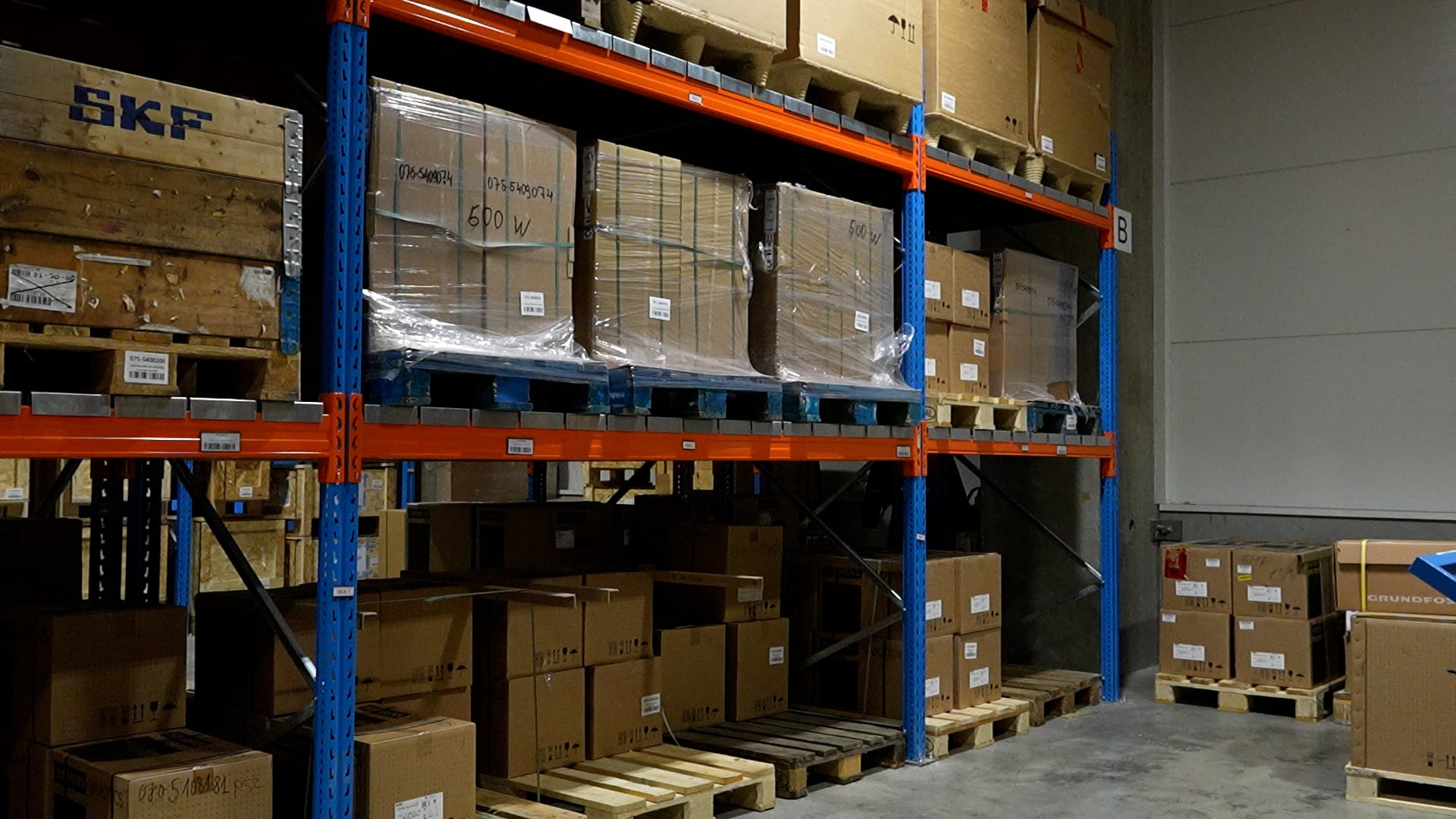
So, business as usual, right? Experts say the problems today are acute. Big aerospace primes cannot operate just-in-time manufacturing, so they need buffer stocks, which creates stop-start production schedules. “Poor inventory performance and quality issues, coupled with long lead times for raw materials, mean aerospace primes had to build buffer stocks as production rates increased after the (COVID) pandemic,” says Balaji Srimoolanathan, Director for Aerospace and the Aerospace Growth Partnership at ADS. “With production rates continuing to rise, it is essential that suppliers maintain strong inventory management, quality, and on-time delivery to keep buffer levels steady.”
This demand for excellence across the supply chain, driven by the pursuit of higher build rates, has led to a series of programmes designed to help UK SMEs qualify for this lucrative industry. ADS manages SC21, a business performance improvement programme with bronze, silver, and gold levels. More SMEs are being encouraged to join the programme, as companies like Airbus, Babcock, and Rolls-Royce recognise SC21 as a standard for QCD – quality, cost, and delivery. This initiative has expanded into SCS, Supply Chain Solutions, which assesses companies for additional measures such as skills, training, and digital readiness.
In addition there is Aerospace Excellence, an Airbus-led programme with input from Airbus in France and Germany also, also recognised by other primes. Along with Sharing in Growth, these interventions help SMEs meet the QCD and operational standards needed to supply the big guns and hit Rate 60+. But is also adds to the small company’s workload, in addition to production and delivery targets, high costs, tariffs, National Insurance hikes, future platform and net zero preparation, so not all companies apply for them.

Terms of business now a competitive advantage
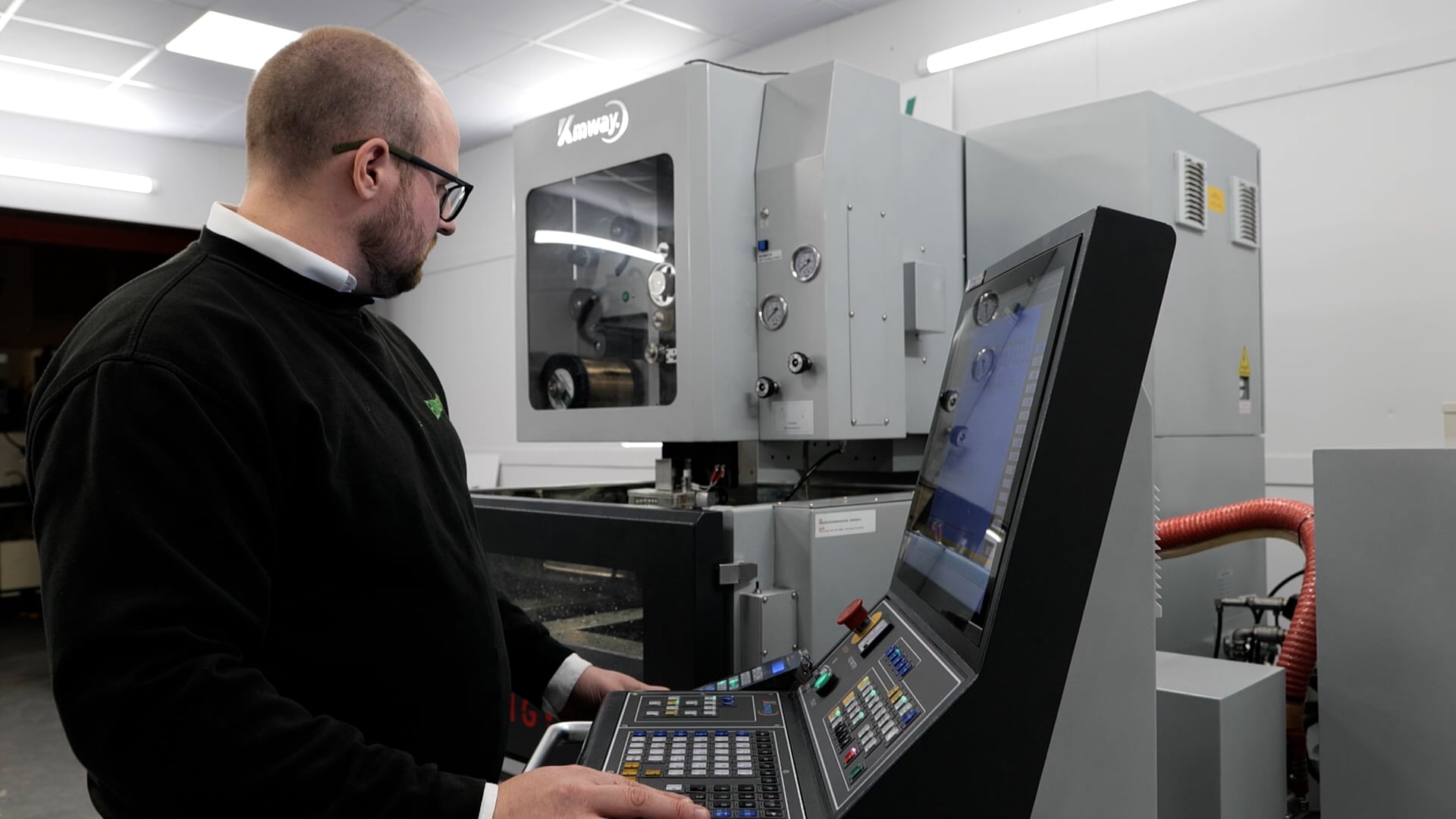
Civil aerospace is a truly global industry, with competition rife for non-complex build-to-print part build contracts. UK aerospace suppliers now face significantly heightened competition from well-capitalised overseas providers equipped with the latest generation machinery and qualifications. To stay competitive amidst growing global rivalry, UK supply chain businesses must do more than just match their engineering expertise; they need to be genuinely competitive. This requires proactive investments in automation and digitalisation, embracing cutting-edge manufacturing technology and techniques, upskilling the workforce, and investing in inventory management and business planning tools to effectively optimise delivery capacity.
Modern, well-equipped factories in countries like India, Singapore, and Malaysia are often better capitalised and can offer longer payment terms – in some cases, 180-days – which primes find very attractive. Balaji adds it is important that companies are also able to better plan their working capital requirements as part of their business planning to be able to offer competitive terms to customers.
But the biggest challenges remain the longstanding ones: the costs of doing business in the UK. Energy, employment expenses, access to finance, and how the financial ecosystem functions for companies are still restrictive for growth. Interest rates remain high, and there is no mechanism in traditional bank lending to support companies in offering flexible payment terms to their customers. For investment, risk is often passed around; many UK suppliers are micro or small businesses, as the mid-market has been targeted for acquisition by overseas firms and investors. Without long-term agreements (which are difficult for build-to-print suppliers) or other guarantees, factory modernisation is often delayed. “With so much demand, there is work to go around the world, so we might hold on to our market share of orders,” Balaji says. “But without major improvements to capacity/capex, skills, and finance, we will not increase the share, and risk losing much of it.”
Funding help is at hand: ATI SME Programme
The Aerospace Technology Institute (ATI) offers help to SMEs to develop future-fit products, although bids must qualify through several rounds. The ATI SME Programme fund SME projects that align with the ATI Technology Strategy roadmaps, namely Ultra-Efficient, Zero-Carbon and/or Cross-Cutting.
What is the “Cross-Cutting Technologies Roadmap”? This capitalises on the economic and sustainability benefits of ultra-efficient and zero-carbon technologies, relying on the UK being globally competitive in design, validation, manufacturing, assembly, and through-life support. “This roadmap is about greatly improving the speed and cost to design, develop, manufacture and support aircraft, ensuring the UK is a leader in the development and delivery of more sustainable aircraft, and growing the UK’s market share,” says the ATI’s Nathan Harrison.
Applications to the ATI Programme are assessed on the following criteria:
l the project’s alignment to the UK aerospace technology strategy
l the proposed technology and innovation
l the strength of your business and market case
l benefits of your project to the UK
Aerospace is one of the UK’s frontier industries according to the government’s Modern Industrial Strategy, which has allocated 10 years of funding to the ATI Programme, amounting to up to £2.3bn until 2035. This averages about £195m annually, with over £15m in 2025 allocated to SME Programme projects. Gary Elliott, CEO of the ATI, states: “In agreeing a 10-year, £2.3bn funding settlement, the government has made an unprecedented commitment to our industry, boosting growth and innovation.”
Small companies and projects that received funding in the 2025 SME Programme include Actuation Lab with the Dragonfly project, Alloyed with PACE-AM and AMRAM, Sora Aviation with BatWing, and Scintam Engineering with FEEAD, for non-destructive testing of composite components.
Sora’s BatWing is an electrified aviation propulsion system. “Battery technology has now matured to the point where electrification can deliver zero-emissions short-range aviation,” says Furqan Afzal, CEO of Sora Aviation. “BatWing focuses on lightweight batteries integrated directly into the wing, significantly reducing mass while enhancing safety. The ATI’s backing allows us to systematically mature and validate this approach, building the evidence base needed for scalable electric aircraft.”
SMEs that want to stay in the hunt for future aerospace contracts are wise to check the ATI’s funding criteria, and engage with programmes like SC21 and SCS, to learn what’s necessary to become a partner in the global aerospace boom.
Footnote: Statistics are provided by ADS, the UK trade association for aerospace, defence, security and space.