

In the world of multi-axis CNC machining, even minor programming oversights can lead to significant financial losses. Common issues include incorrect tool orientation, work offset errors, axis limit violations, and post-processor mismatches. One of the most critical challenges in this field is the identification of missed collisions during the simulation phase, which frequently only become apparent when the machine is operational.
These programming errors can result in extensive downtime and expensive machine repairs. The financial impact underscores the necessity for robust pre-machine checks and validations. By identifying errors before production begins, companies can save considerable resources and maintain efficiency on the shop floor.
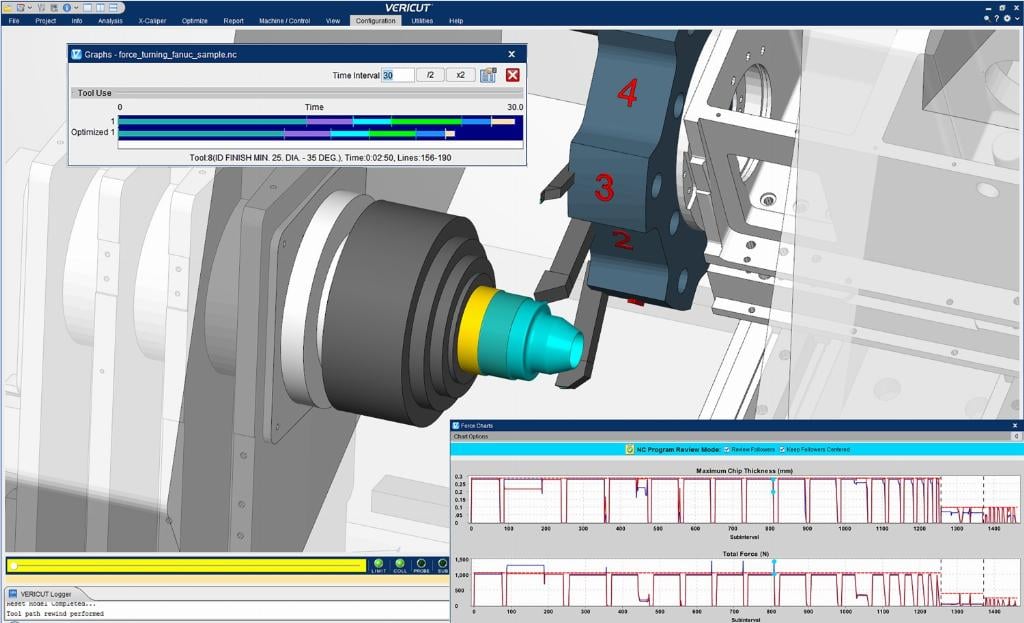
Advanced simulation software solutions play a crucial role in preventing these mistakes. They enable engineers to test and validate CNC programmes in a virtual environment, ensuring that potential problems are addressed well in advance. This approach not only enhances safety but also increases productivity by minimising machine stoppages and reducing the likelihood of costly errors.
The manufacturing industry continues to explore new technologies and techniques to improve the reliability of CNC programming. As the sector evolves, ensuring that these errors are minimised remains a top priority for engineers and CNC programmers alike.
For more updates on the latest in CNC programming and machining technologies, visit Vericut UK’s news page.
View more news from Vericut UK