

JSW Motors and Tata Elxsi Launch Pune R&D Hub to Drive Software-Defined and New-Energy Vehicles!
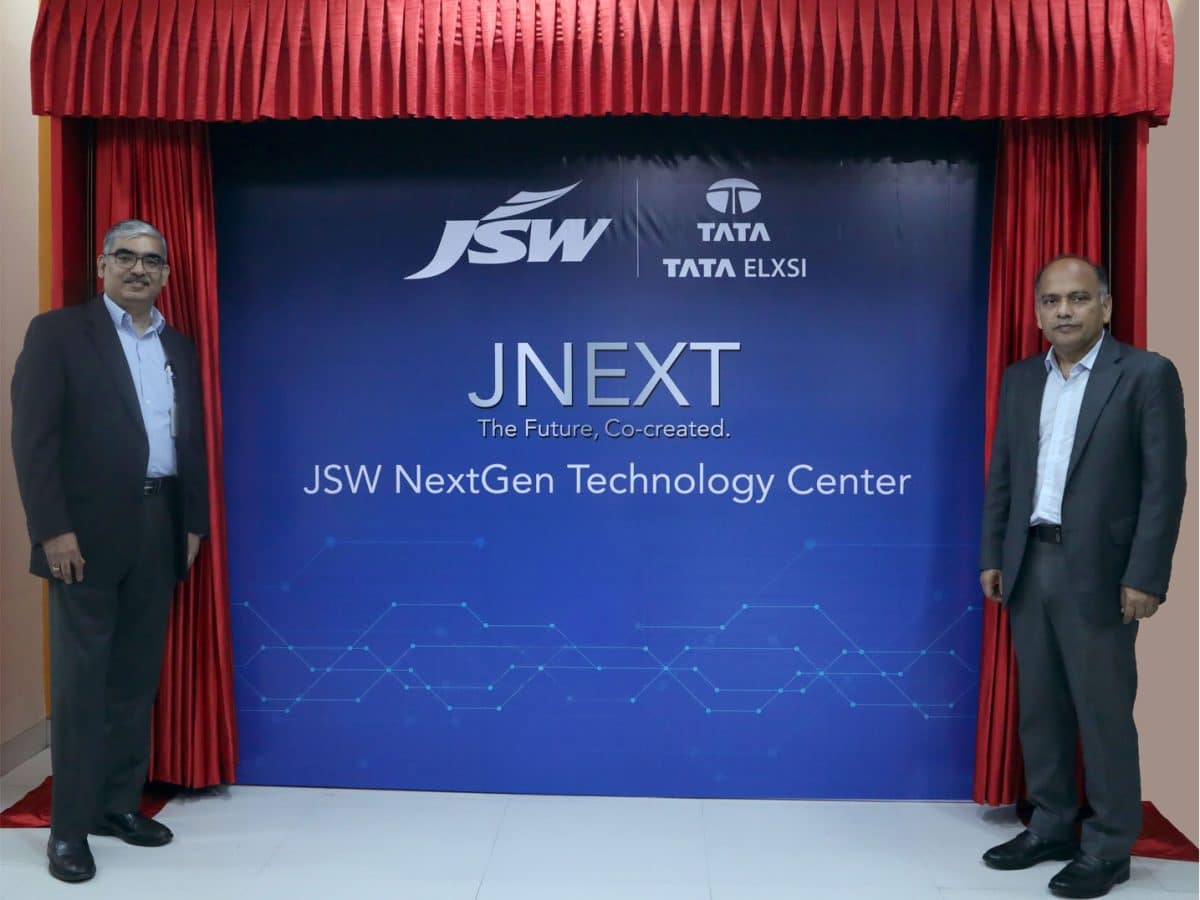
JSW Motors Limited has partnered with Tata Elxsi to establish a new research and development centre in Pune, marking a significant step towards building next-generation, software-defined mobility solutions. The facility, named the JNEXT – JSW NextGen Technology Center, will serve as a core engineering hub focused on developing connected vehicle platforms and advancing new-energy vehicle technologies, including electric, hybrid, and plug-in hybrid systems.
The collaboration has been formalised through a Memorandum of Understanding, with both companies aiming to accelerate innovation in the rapidly evolving automotive landscape. The JNEXT centre is designed to enable close integration between engineering, manufacturing, and leadership teams, ensuring faster development cycles and seamless execution from concept to production.
A key focus of the partnership is the development of software-defined vehicle (SDV) platforms, which are increasingly becoming central to modern automotive design. Tata Elxsi will lead the creation of a connected vehicle architecture along with a unified customer experience application tailored for JSW Motors’ future vehicle programmes. This includes end-to-end delivery capabilities spanning conceptualisation, system integration, validation, production support, and aftersales services.
The initiative aligns with JSW Motors’ broader strategy to build a technology-led mobility ecosystem with strong localisation across the value chain. By combining Tata Elxsi’s expertise in digital engineering with JSW’s manufacturing ambitions, the partnership aims to create scalable and future-ready platforms that can compete globally.
Beyond core vehicle development, the JNEXT centre will focus on intelligent and connected systems that enhance vehicle performance and user experience. This includes capabilities in diagnostics, predictive maintenance, and performance optimisation, as well as compliance with global standards for functional safety and cybersecurity. These elements are critical as vehicles become increasingly dependent on software and data-driven systems.
The platform will integrate advanced technologies such as artificial intelligence and machine learning for data analytics, 5G-enabled connectivity for real-time communication, and location-based services for enhanced navigation and user interaction. Additionally, immersive technologies including augmented reality (AR), virtual reality (VR), and extended reality (XR) will be leveraged to create richer customer experiences throughout the vehicle lifecycle—from design and simulation to end-user engagement.
Tata Elxsi will also deploy its proprietary engineering and digital platforms to build cloud-native, scalable architectures that support continuous updates and feature enhancements. This reflects a broader industry shift where vehicles are no longer static products but evolving platforms that improve over time through software upgrades and connected services.
Leadership from both organisations emphasised that the partnership is aimed at accelerating development timelines while ensuring high standards of quality, safety, and innovation. As the automotive industry transitions towards electrification and digitalisation, initiatives like the JNEXT centre highlight the growing importance of integrated engineering and software capabilities.
Overall, this collaboration positions both JSW Motors and Tata Elxsi at the forefront of India’s mobility transformation, reinforcing the country’s emergence as a key hub for connected, intelligent, and sustainable automotive technologies.