02:16
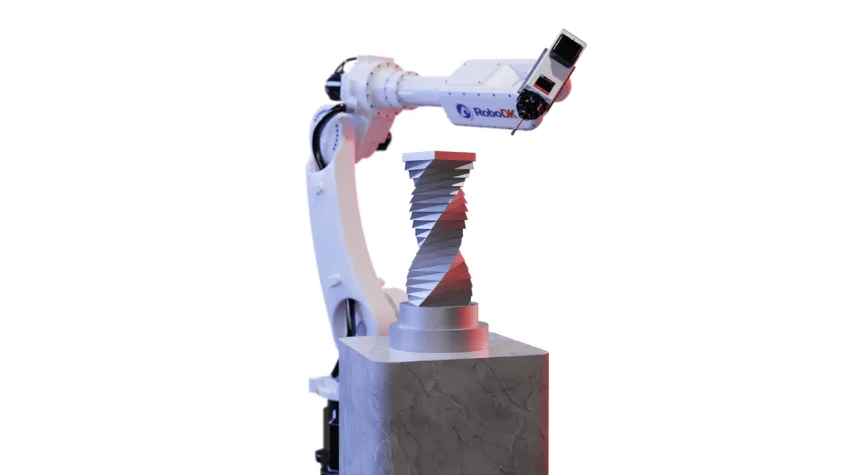
RoboDK has introduced RoboDK CAM, an advanced software solution aimed at dramatically reducing the time and complexity involved in deploying robotic machining systems. Designed for manufacturers and system integrators, the platform eliminates the need for traditional, manual robot programming and enables a faster transition from design to production.
In conventional robotic machining setups, deployment often requires skilled specialists to manually program each robot and end-effector using vendor-specific languages—a process that can be time-consuming, complex, and costly. RoboDK CAM addresses this challenge by automatically generating robot programs directly from CAD designs and digital simulations. This approach simplifies automation adoption and makes robotic machining more accessible, even for users without deep expertise in robot programming.
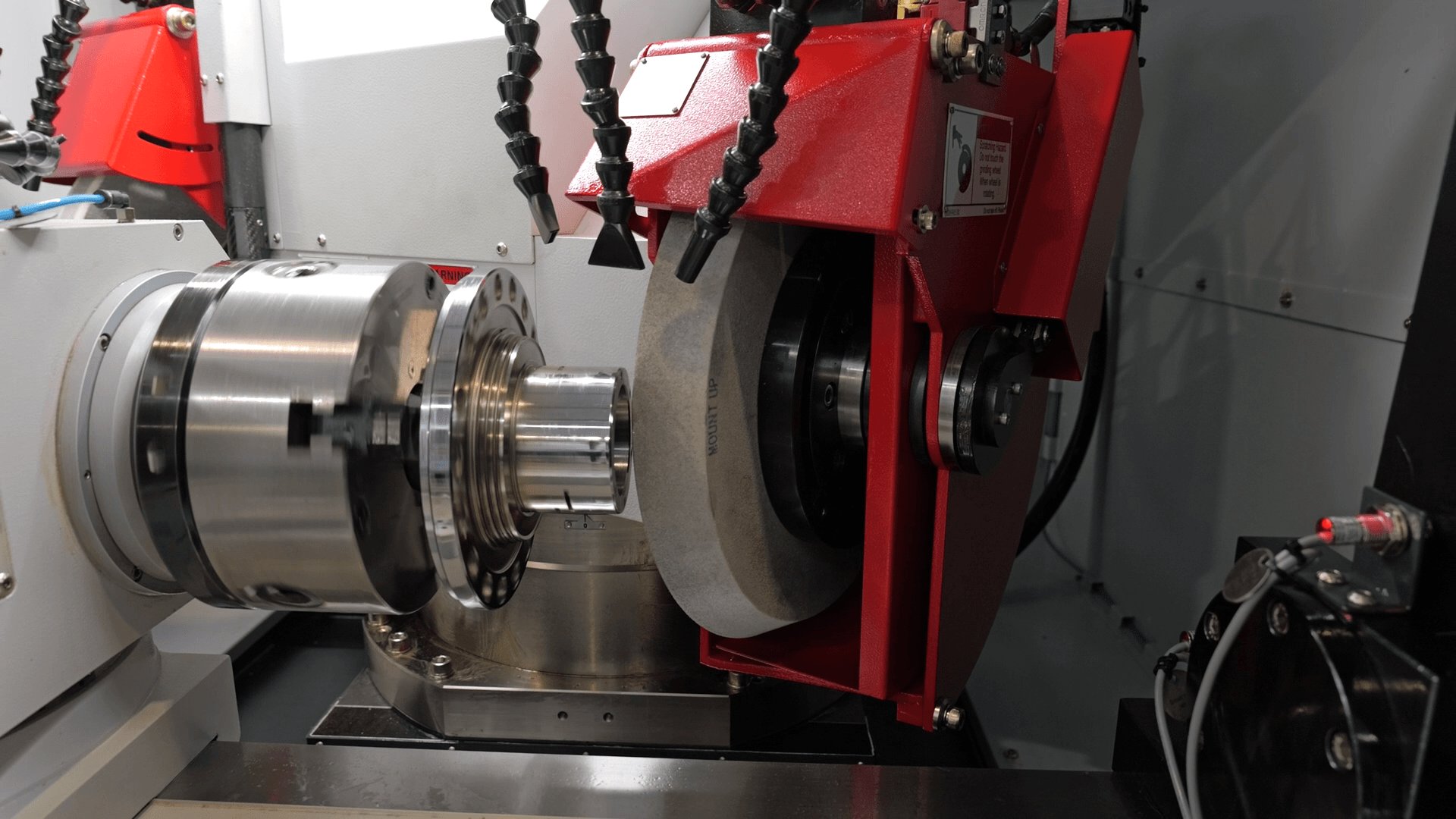
The software supports a wide range of machining applications, including milling, drilling, deburring, cutting, and additive manufacturing. Within a single environment, users can generate advanced toolpaths, simulate entire machining processes, detect potential collisions, and seamlessly scale from basic three-axis operations to more complex five-axis machining. This integrated workflow allows manufacturers to optimise processes digitally before executing them on the shopfloor.
A key advantage of RoboDK CAM is its ability to significantly reduce setup and testing times. Traditionally, configuring a robotic machining cell can take weeks of programming and trial runs. With RoboDK CAM, users can validate and optimise their setups in a virtual environment within minutes, enabling faster decision-making and reducing the risk of costly errors. Early adopters have reported reductions in testing time of up to 40%, with overall deployment timelines shrinking from days to just minutes, depending on the complexity of the application.
RoboDK CAM is available in two configurations to suit different user requirements. The standalone version provides a complete, all-in-one solution, allowing users to manage the entire process—from toolpath generation and simulation to robot programming—within a single interface. It includes features such as advanced surface machining, accurate stock tracking, and full machining simulation.
The integrated version, on the other hand, is designed for users who prefer to work within established CAD/CAM platforms. It seamlessly connects with popular systems like Fusion 360, SolidWorks, and Mastercam through dedicated add-ins. This allows manufacturers to maintain their existing workflows while extending their capabilities to robotic machining using RoboDK’s powerful simulation and programming engine.
For manufacturers, the benefits are clear: faster automation deployment, reduced downtime, and the ability to iterate and refine machining processes quickly. For system integrators, RoboDK CAM offers a way to shorten project timelines, lower engineering effort, and deliver automation solutions more efficiently.
As the demand for flexible, automated manufacturing continues to grow, RoboDK CAM represents a significant step forward in bridging the gap between traditional CNC machining and robotic automation—making high-performance, scalable machining more accessible than ever.
Opt in today to our newsletter