
In the intricate world of CNC machine manufacturing, few materials play as crucial a role as Turcite. Nakamura-Tome Precision Industry Co., Ltd. has spotlighted this material’s significance in enhancing machine tool precision through hand scraping, a technique revered for its ability to improve component accuracy.
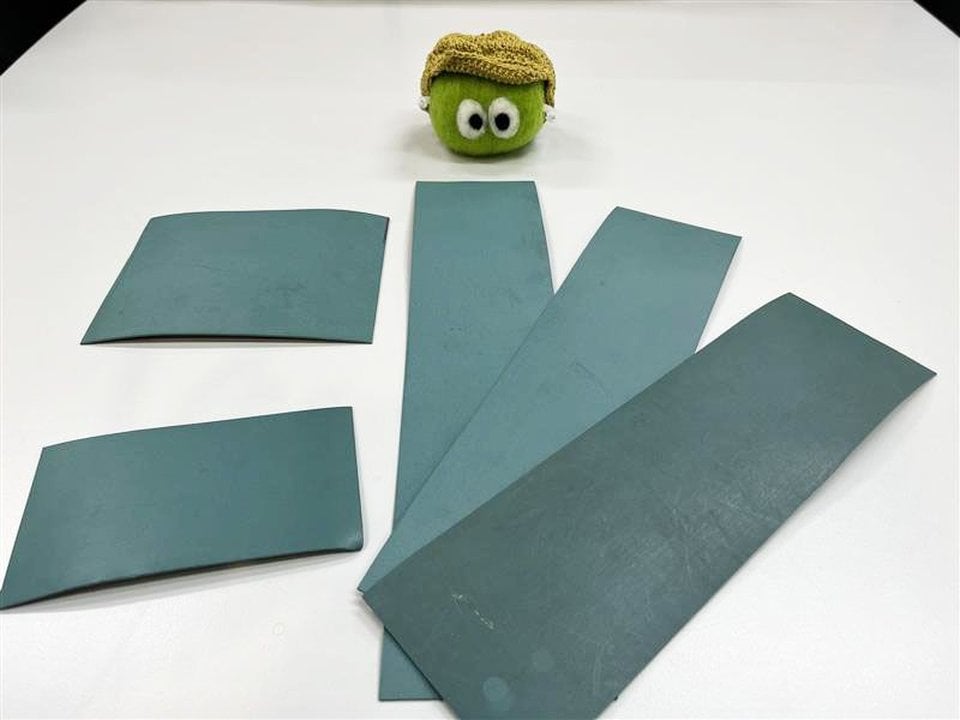
Turcite is used as a reference material and is bonded to surfaces that require precise machining. A spotting dye coats the Turcite, allowing it to serve as a guide during the scraping process, essential for creating precise sliding surfaces in multitasking CNC machines.
While achieving perfectly flat surfaces might appear ideal, it often leads to a phenomenon known as ringing, where surfaces stick together, causing unstable movement, unexpected stops, excessive wear, heat generation, and potential deformation. Scraping mitigates these issues by forming countless micron-sized pockets that act as oil reservoirs. These pockets not only facilitate smooth sliding motion but also help maintain precision by preventing wear and reducing thermal distortion.
The skill of scraping, although highly repetitive and physically demanding, remains a vital craft. Nakamura-Tome has highlighted concerns over the degradation of this skill due to automation. Despite discussions around reducing scraped areas, the company has insisted on preserving this expertise through comprehensive training, annual skill certification, and internal workshops.
By continuing to cultivate this intricate craft, Nakamura-Tome ensures that precision remains a hallmark of their manufacturing process, reaffirming that in the realm of accuracy, traditional techniques like hand scraping continue to hold significant value.
View more news from Nakamura-Tome Precision Industry Co.,Ltd.