
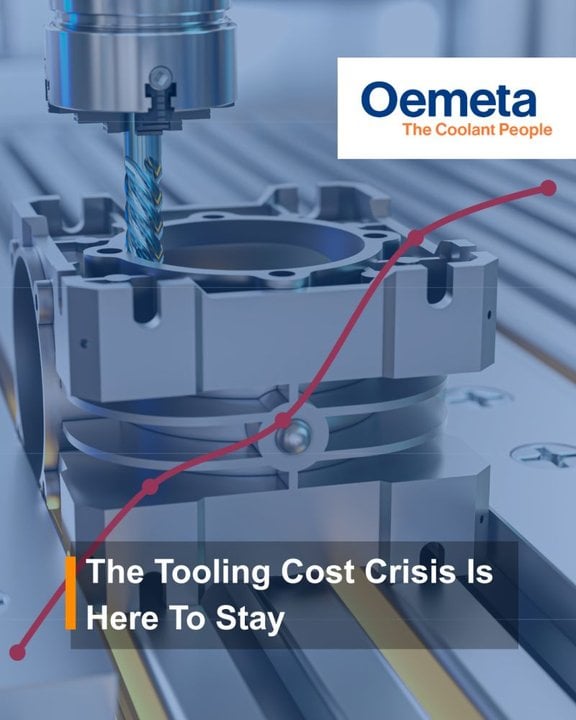
The manufacturing sector is facing a significant challenge as tungsten prices continue to soar. This rise, driven by increased demand from the electric vehicle and defence sectors, is placing a considerable strain on the profit and loss statements of machine shops that depend on carbide tooling.
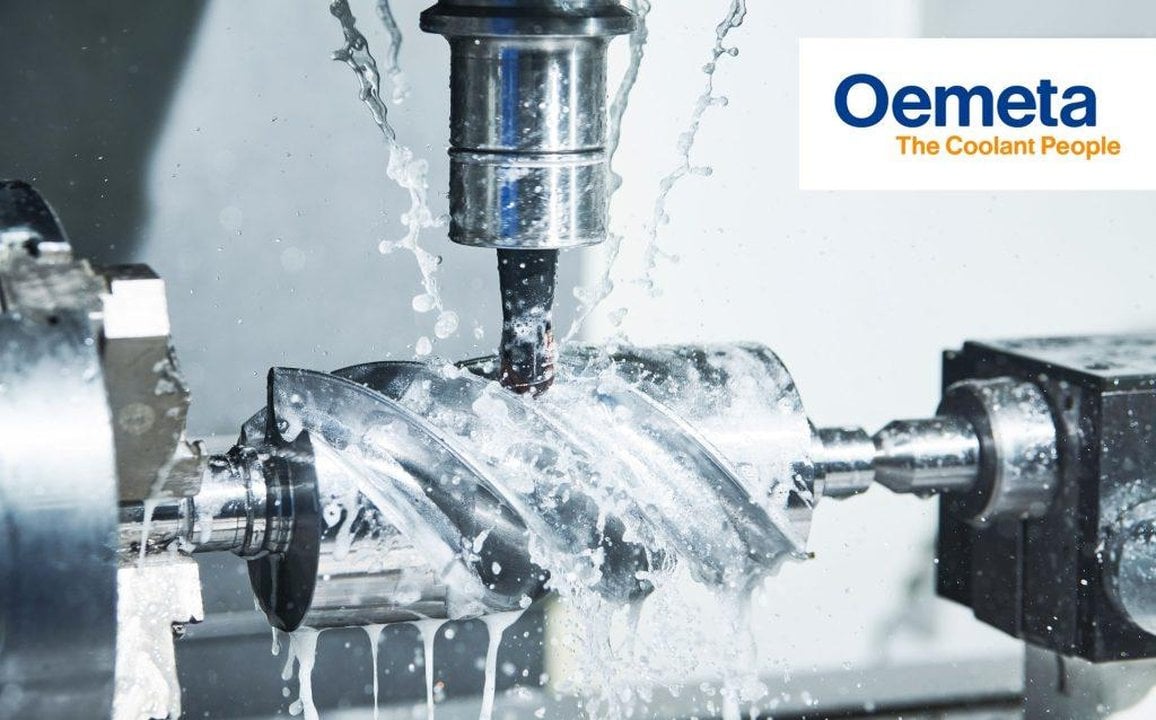
As one of the largest consumable costs in machining, tooling expenses are escalating, pushing businesses to seek methods to extend tool life without reducing production speed or investing heavily in new machinery. A key solution lies in the optimisation of cutting fluid use.
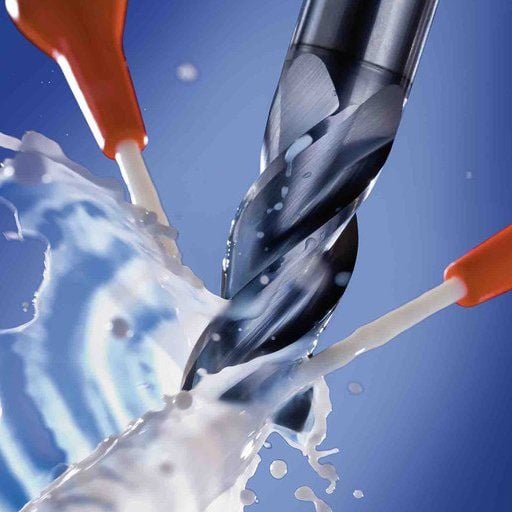
High-performance coolants, particularly ester-based cutting fluids, are proving to be an effective measure in extending the life of tools, with potential improvements of up to 50% or more. Unlike traditional mineral oil formulations, ester oils provide a unique advantage by actively bonding to metal surfaces. They form a robust lubricating layer that remains effective under extreme conditions due to higher evaporation temperatures.
Ester oils also offer superior lubricity, which allows for reduced oil content in emulsions, enhancing cooling performance crucial for machining challenging materials like titanium. This reduced oil content improves wetting performance, enabling the coolant to spread more efficiently, thus reducing friction and improving heat dissipation.
The benefits of adopting ester-based cutting fluids are clear, leading to longer tool life, reduced tooling consumption, enhanced machining stability, lower coolant usage, and tangible cost savings.
As companies prepare for the new fiscal year and reassess their operational budgets, ester-based solutions present an immediate opportunity to improve efficiency and return on investment without the need for new equipment. Instead, significant savings can be achieved by optimising existing processes.
For more information, Oemeta UK invites initial consultations and coolant reviews.
View more news from Oemeta UK