
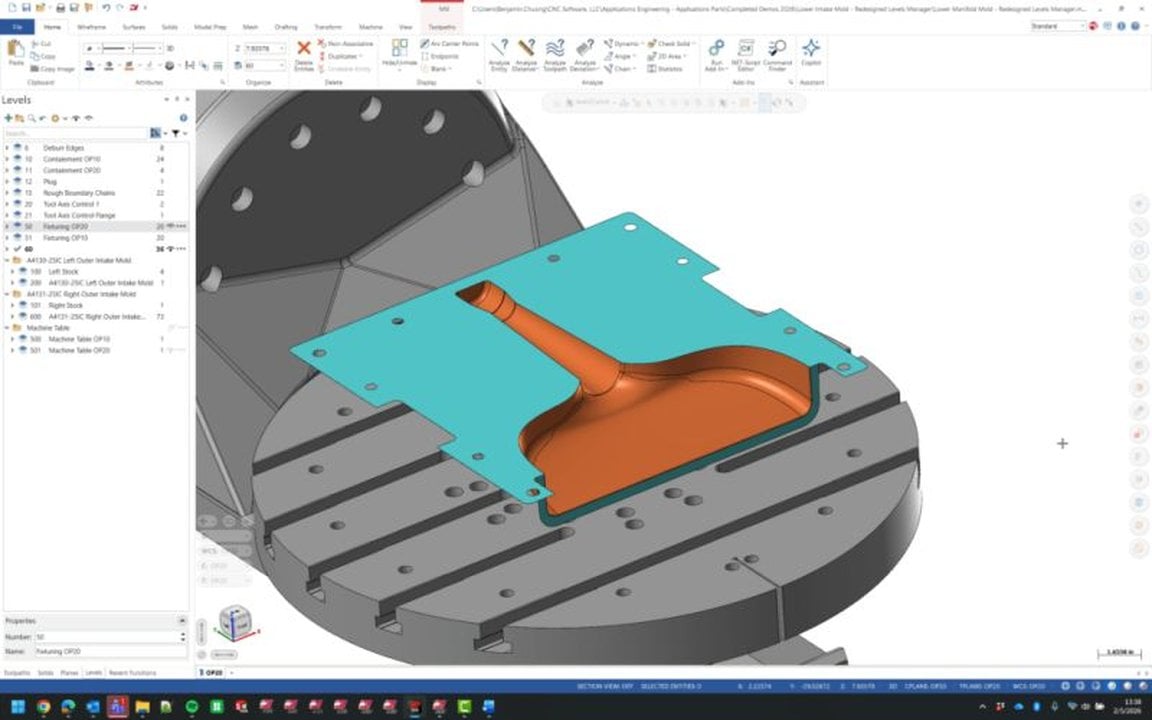
Selecting the appropriate model type has a significant impact on toolpath quality, programming speed, and minimising rework in manufacturing programming. Understanding the specific advantages of solids, surfaces, and meshes is crucial for optimising workflows and achieving high-quality outputs.
Each model type has inherent strengths that cater to different engineering tasks. Solids are frequently used for their precision and robustness in dimensional tasks, making them ideal for projects requiring strict conformity to specifications. Surfaces are suitable for more complex shapes and contours that need intricate detailing. Meshes offer a versatile option, particularly useful in fields such as reverse engineering and rapid prototyping due to their adaptability.
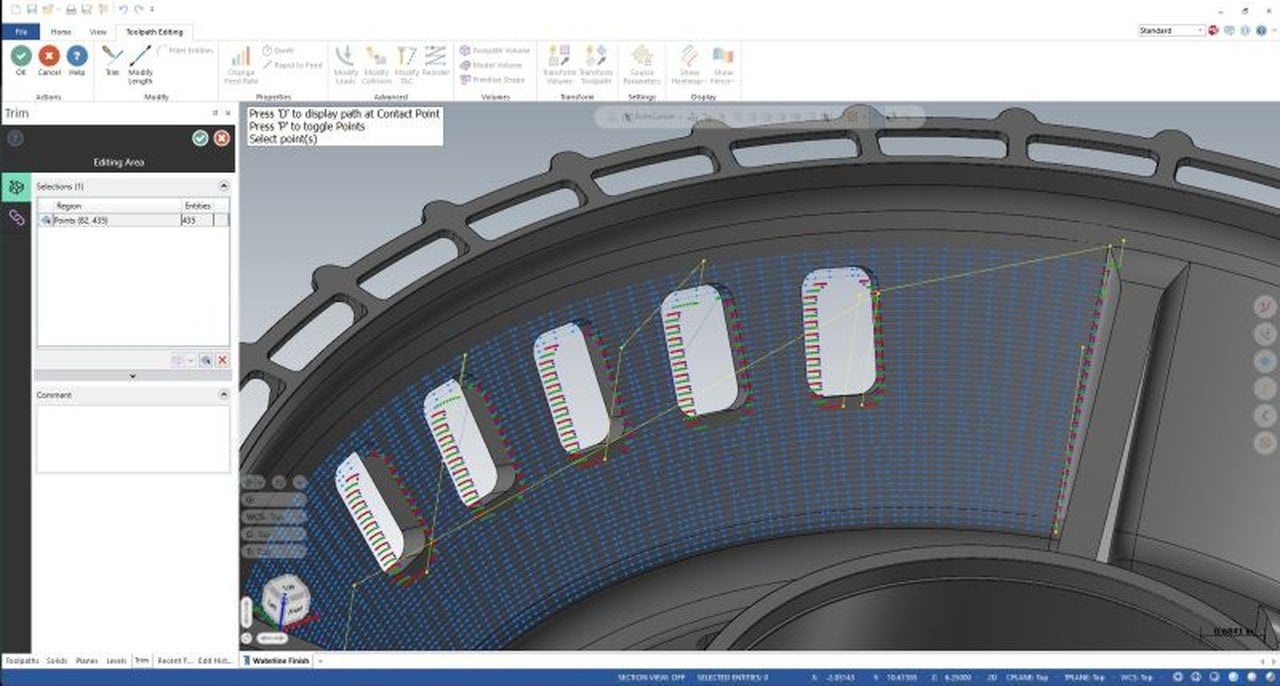
The decision on which model type to employ can significantly affect the quality of the toolpath generated, which in turn influences both production speed and the necessity of further adjustments. By choosing the most suitable model type, programmers can develop cleaner, more efficient toolpaths, ultimately reducing the need for costly rework.
Professionals in the manufacturing industry are encouraged to explore the specific contexts and requirements of their projects to decide which model type will yield the best results. This targeted approach not only enhances productivity but also contributes to improved end product quality.
For more in-depth guidance and case studies on model type selection, manufacturers can access detailed resources and examples to refine their programming practices.
View more news from Mastercam UK Ltd