
In the ever-evolving landscape of manufacturing, innovation continually challenges conventional methods. One such groundbreaking technique gaining widespread recognition is rotomolding, transforming the production of hollow plastic products. This article delves into the intricacies of rotomolding, highlighting why it emerges as a formidable alternative to traditional injection molding.
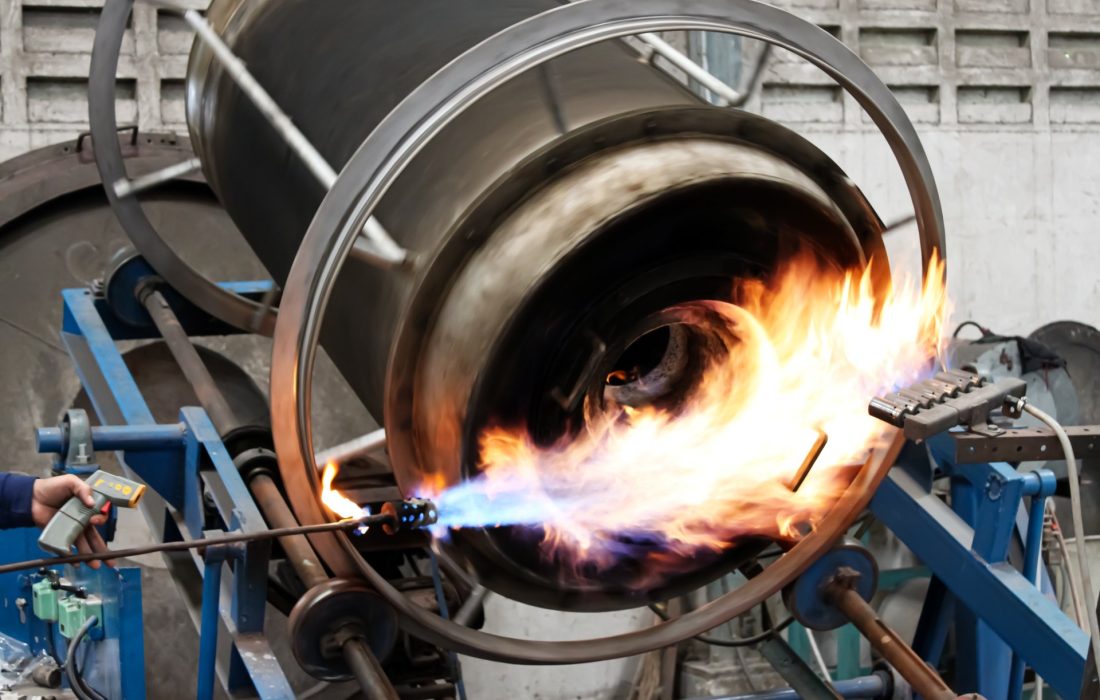
Understanding Rotomolding Rotational molding, or rotomolding, is a manufacturing method that creates hollow plastic products by rotating a mold along two perpendicular axes. Unlike injection molding, which forcefully injects molten plastic into a closed mold under high pressure, rotomolding utilizes gravity and centrifugal motion. This approach enables the creation of expansive, intricate components with consistent wall thickness.
The Rotomolding Process Rotomolding typically involves four primary stages: loading, heating, cooling, and unloading. Plastic resin is precisely loaded into the mold to initiate the process, followed by heating as the mold rotates in an oven. The heat melts the resin, coating the mold’s interior to form the desired shape. Cooling solidifies the plastic, and the finished product is then unloaded.
Advantages of Rotomolding
- Design Flexibility: Rotomolding offers exceptional design flexibility, allowing the creation of intricate shapes with consistent thickness, enhancing structural strength.
- Cost-Effective Production: With simpler and less expensive molds compared to injection molding, rotomolding proves economically advantageous, particularly for small to medium production runs.
- Seamless Construction: Rotomolding produces seamless and stress-free products, enhancing durability and structural integrity, ideal for various applications.
- Suitable for Large Parts: Rotomolding excels in manufacturing large, single-piece products without compromising quality or efficiency, suitable for industrial tanks, playground equipment, and automotive components.
- Versatility in Material Selection: Supporting a wide range of plastic materials, rotomolding offers flexibility in material selection, extending potential applications across industries.
Conclusion Rotomolding emerges as a highly effective and versatile alternative to traditional injection molding, offering numerous advantages in design flexibility, cost-effectiveness, seamless construction, suitability for large parts, and material versatility. As manufacturing evolves, rotomolding leads the way, ushering in innovative solutions and expanding the possibilities of plastic product production.
Original source from The Manufacturer