
Honeywell Delivers First TPE331-12B Engines for HAL’s HTT-40 Trainer Aircraft Program!
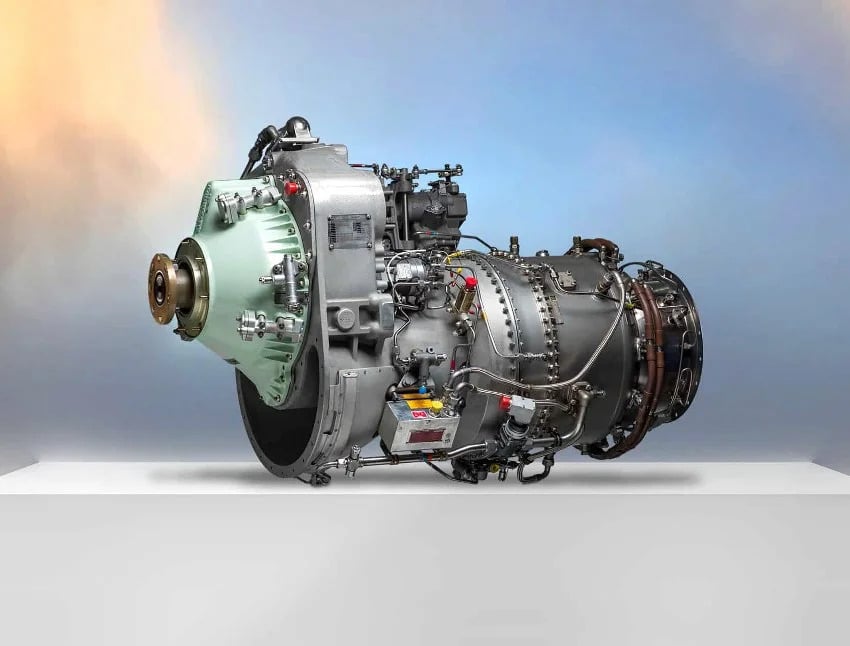
Honeywell has delivered the first batch of its TPE331-12B turboprop engines to Hindustan Aeronautics Limited (HAL) for integration into the HTT-40 basic trainer aircraft, marking a significant milestone in India’s indigenous aerospace development program. The delivery reinforces the long-standing partnership between Honeywell and HAL while supporting India’s efforts to strengthen domestic aircraft manufacturing, maintenance capabilities, and self-reliance in the defense aviation sector.
The initial shipment consists of three TPE331-12B engines that will power the HTT-40 trainer aircraft, a platform developed by HAL to meet the Indian Air Force’s requirement for a modern and capable basic trainer. Designed to prepare pilots for advanced military flying roles, the HTT-40 represents an important step in India’s ambition to develop and produce critical aerospace platforms domestically.
The TPE331-12B engine is widely recognized within the aviation industry for its reliability, durability, operational efficiency, and rapid power response. These characteristics make it particularly well suited for military training applications, where consistent performance and precise aircraft handling are essential. The engine’s proven track record across numerous aviation platforms worldwide has established it as one of the most trusted turboprop propulsion systems in service today.
A key advantage of the TPE331-12B is its single-shaft engine architecture, which provides immediate throttle response and rapid power delivery. This capability is especially important during pilot training missions, where student pilots must develop precise aircraft control skills and respond quickly to changing flight conditions. Fast throttle response helps replicate operational flying environments while enhancing training effectiveness and flight safety.
The broader TPE331 engine family has accumulated millions of flight hours across both military and civilian applications worldwide. Its deployment in trainer aircraft such as the Short Tucano, operated by the United Kingdom Ministry of Defence, has demonstrated its ability to perform reliably under demanding training conditions. The engine’s reputation for low maintenance requirements, fuel efficiency, and dependable operation has made it a preferred choice for training organizations and military operators around the globe.
For HAL, the HTT-40 program represents a major achievement in indigenous aircraft design and manufacturing. Developed entirely within India, the aircraft has been engineered to provide the Indian Air Force with a modern training platform capable of preparing future pilots for advanced fighter, transport, and rotary-wing operations. The integration of Honeywell’s propulsion technology enhances the aircraft’s performance while ensuring access to a globally proven engine platform.
The collaboration between Honeywell and HAL spans several decades and encompasses a variety of aerospace and defense programs. Previous partnerships have included technology transfer initiatives, component manufacturing support, repair and overhaul capabilities, and supply chain cooperation related to the TPE331 engine family and other aerospace systems. The latest engine deliveries further strengthen this relationship while creating new opportunities for capability development within India’s aerospace ecosystem.
Under the current agreement, Honeywell will supply the first 16 TPE331-12B engines for the HTT-40 fleet. As the program progresses, HAL will assume responsibility for local assembly operations, enabling greater domestic participation in the production process. The arrangement also includes plans to expand in-country maintenance, repair, and overhaul (MRO) capabilities, helping build a sustainable support infrastructure for the aircraft throughout its operational life.
More than 80 engines are expected to be delivered for the HTT-40 program in the coming years, supporting fleet expansion and long-term operational requirements. The development of local assembly and maintenance capabilities will not only strengthen India’s aerospace manufacturing base but also contribute to workforce development, technology absorption, and supply chain growth within the country.
The program aligns closely with India’s broader objectives of increasing self-reliance in defense production and reducing dependence on imported military equipment. By combining indigenous aircraft development with advanced global propulsion technology and localized support capabilities, the HTT-40 initiative demonstrates how strategic partnerships can accelerate domestic aerospace advancement while meeting critical defense requirements.
As the Indian Air Force continues modernizing its training infrastructure, the HTT-40 and its Honeywell-powered propulsion system are expected to play an important role in preparing the next generation of military pilots. The successful delivery of the first TPE331-12B engines marks an important step forward for both companies and highlights the growing capabilities of India’s aerospace manufacturing and defense aviation ecosystem.