

In a Safety and Health Engineering Partnership (SHEP) survey, 84% of respondents stated the Covid pandemic has made them more aware of how virus, bacteria and other particles are transmitted through the air, and 70% said Covid has made them aware of airborne particle dangers.
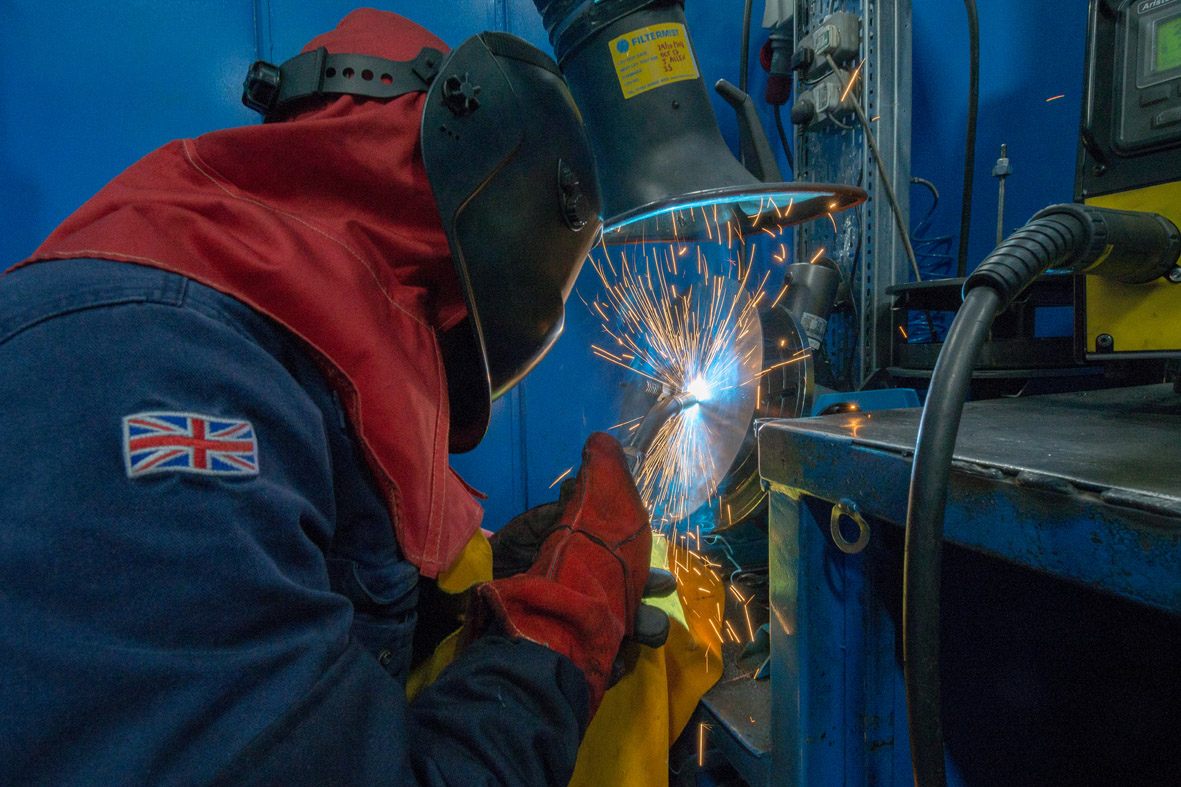
“Whilst Covid transmission is an extreme example of risks posed by exposure to airborne particles, this is only one type of particle which poses a risk to human health,” comments SHEP Chairman Chris Buxton, CEO of the British Fluid Power Association (BFPA). “People working in the manufacturing and engineering industries can be exposed to a wide range of particulate which can have detrimental effects on their health, so this is not a new issue – although obviously prior to Covid it was predominantly dust, oil mist, fumes, smoke and chemicals.”
SHEP provides a focus for all issues relating to Health & Safety in the Engineering sector. “It is encouraging to see that 97% of the respondents advised that they understood the risks posed by exposure to industrial airborne contaminants and 84% are confident their employer has sufficient control measures in place. However, its worrying that 27% of responses advised that their employer does not provide training on how to use control measures and 21% admitted that their local exhaust ventilation (LEV) systems are tested by a competent person less than once every 14 months.”