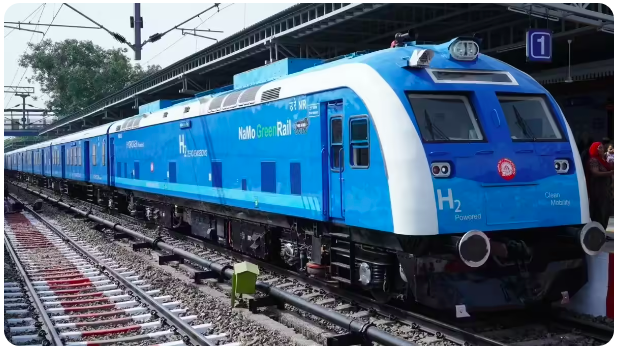
Jindal Stainless Supplies Steel for India’s First Hydrogen-Powered Train!
Jindal Stainless has supplied nearly 40% of the stainless steel used in the coach bodies of India’s first hydrogen-powered train, marking another significant milestone in the country’s journey towards sustainable mobility and the modernisation of its railway infrastructure. The company supplied its premium X5CrNi1810 austenitic stainless steel from its manufacturing facilities in Jajpur, Odisha, and Hisar, Haryana, supporting one of Indian Railways’ most ambitious clean transportation initiatives.
The hydrogen-powered train represents a major step forward in India’s efforts to decarbonise rail transportation and adopt cleaner, more environmentally friendly mobility solutions. As Indian Railways accelerates its transition towards greener technologies, hydrogen-powered trains are expected to play an increasingly important role in reducing greenhouse gas emissions while offering efficient, reliable, and sustainable public transport.
Jindal Stainless’ contribution highlights the growing importance of advanced materials in enabling next-generation transportation systems. Modern railway coaches demand materials that combine high structural strength with reduced weight, excellent corrosion resistance, enhanced passenger safety, and long operational life. Stainless steel has emerged as the preferred material for railway coach manufacturing because it delivers these critical performance characteristics while significantly reducing maintenance costs over the lifecycle of the vehicle.
The X5CrNi1810 austenitic stainless steel supplied for the project is recognised for its outstanding mechanical properties, corrosion resistance, and weldability, making it well suited for demanding railway applications. The material provides excellent crashworthiness, superior fire resistance, and high impact strength, ensuring greater passenger safety while maintaining structural integrity under challenging operating conditions.
In addition to its durability, stainless steel contributes to improved energy efficiency through its lightweight construction. Lighter railway coaches require less energy for acceleration and operation, an advantage that becomes even more significant in hydrogen-powered trains, where energy efficiency directly influences operational range and overall system performance. Its resistance to corrosion also extends coach life, reduces maintenance requirements, and lowers lifecycle costs for railway operators.
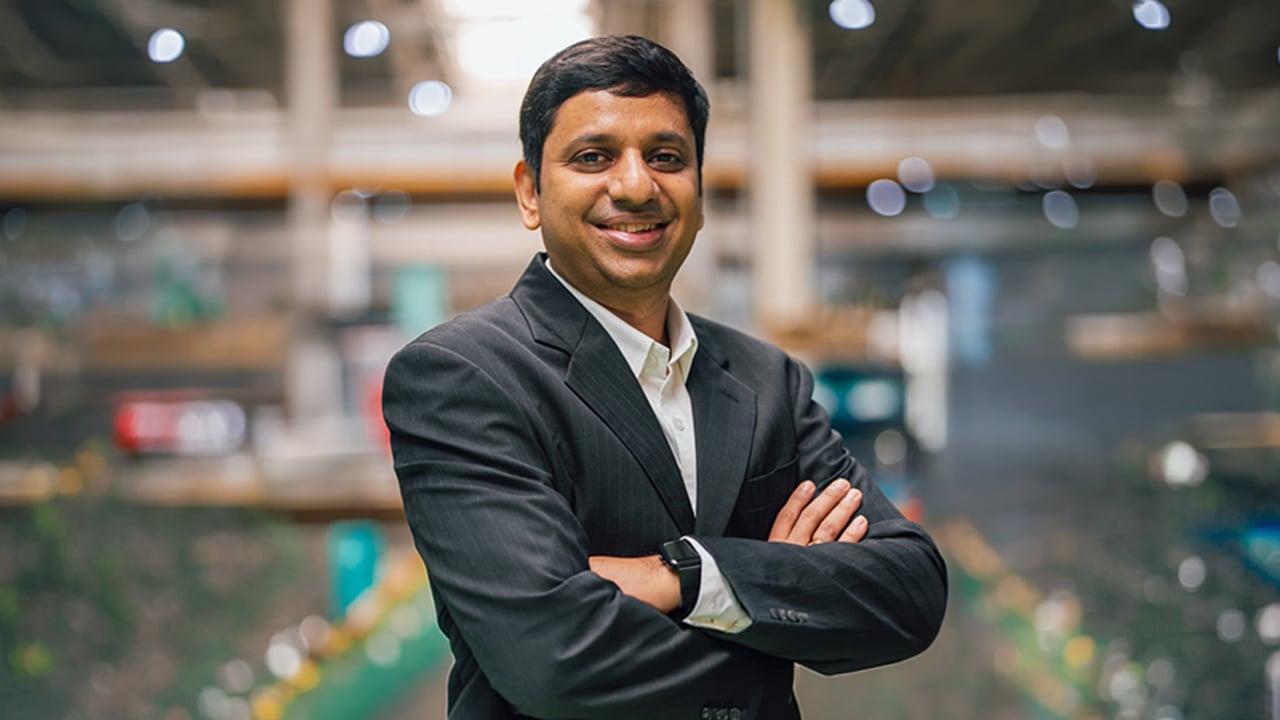
Commenting on the development, Abhyuday Jindal, Managing Director of Jindal Stainless, said the future of transportation will depend not only on cleaner energy sources but also on advanced materials that improve efficiency, durability, and sustainability. He stated that the company’s contribution to India’s first hydrogen-powered train reflects its commitment to supporting the nation’s clean mobility ambitions and the vision of Atmanirbhar Bharat. He added that stainless steel has consistently demonstrated its value across railway applications through its long service life, structural strength, safety, and corrosion resistance, making it an ideal material for modern rail transportation.
Jindal Stainless has maintained a close partnership with Indian Railways for more than three decades, contributing to several landmark projects that have transformed India’s rail network. The company has supplied stainless steel for the country’s first LHB (Linke Hofmann Busch) coaches, the Vande Bharat Sleeper, India’s first Vande Metro train, numerous metro rail systems, and several inter-city passenger train projects. It has also supplied stainless steel for railway wagon bodies, including India’s first corrosion-resistant stainless steel salt containers used for freight transportation, demonstrating the material’s versatility across both passenger and freight applications.
The increasing adoption of stainless steel across railway infrastructure reflects the industry’s broader focus on building safer, stronger, and more sustainable transportation systems. Compared with conventional materials, stainless steel offers longer service life, improved recyclability, lower maintenance requirements, and enhanced resistance to harsh environmental conditions, making it an important contributor to sustainable infrastructure development.
Hydrogen-powered trains are widely regarded as one of the most promising technologies for decarbonising rail transport, particularly on non-electrified routes where diesel locomotives continue to operate. Powered by hydrogen fuel cells that generate electricity while emitting only water vapour, these trains offer a cleaner alternative to conventional diesel-powered rail systems. Combined with lightweight stainless steel coach construction, hydrogen-powered trains can achieve greater energy efficiency, lower operating costs, quieter operation, and reduced environmental impact.
The successful supply of stainless steel for India’s first hydrogen-powered train underscores Jindal Stainless’ growing role in supporting the country’s transition towards advanced manufacturing, green mobility, and sustainable infrastructure. As India continues investing in high-speed rail, metro networks, hydrogen mobility, and next-generation transportation technologies, high-performance materials such as stainless steel will remain essential in delivering safer, more efficient, and environmentally responsible rail systems for the future.